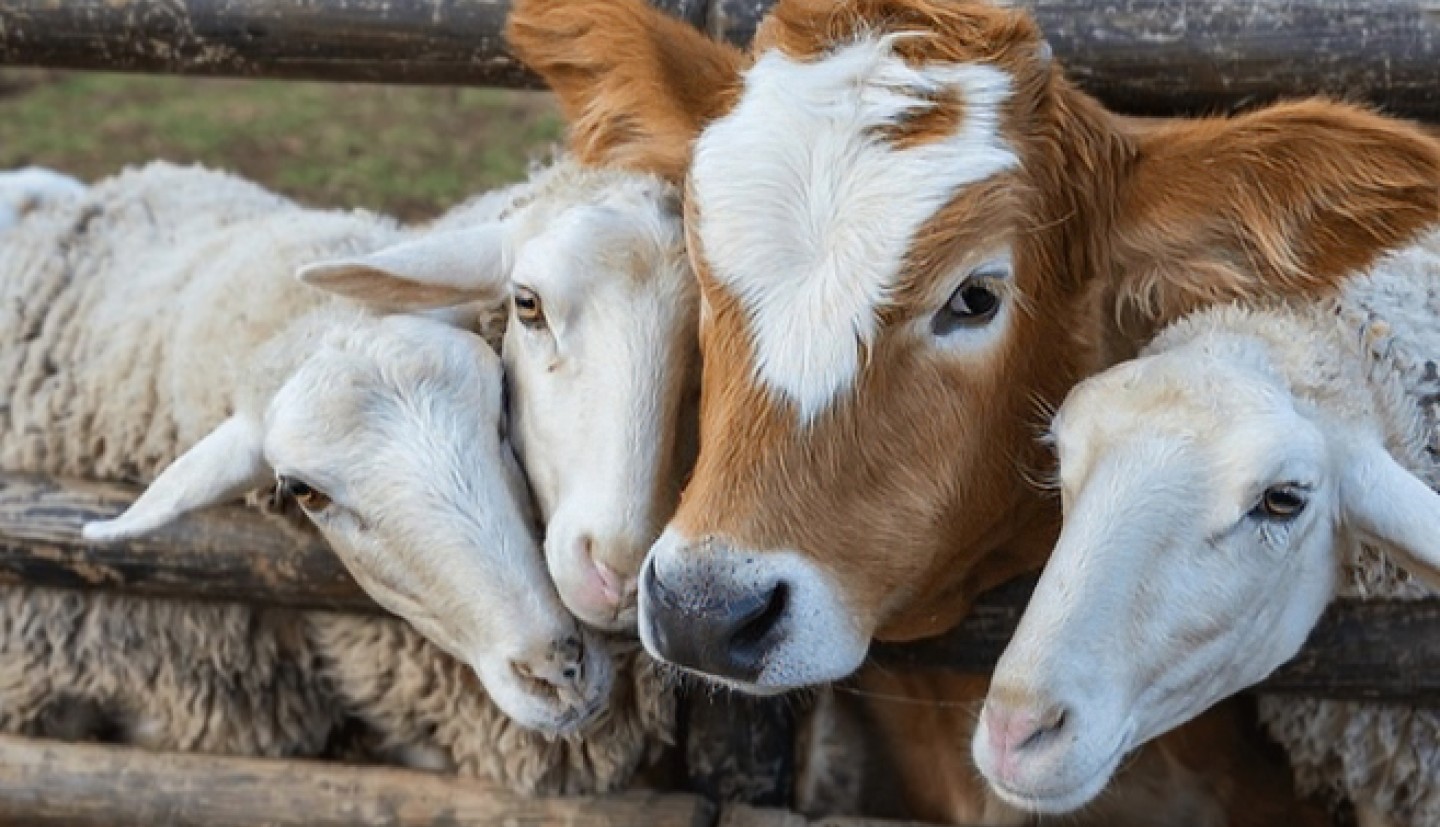
Prevalence of Epizootic Hemorrhagic Disease virus in cattle, sheep and goats in New York State

Project Overview

Prevalence of Epizootic Hemorrhagic Disease virus in cattle, sheep and goats in New York State from 2022 through 2025

This study assessed how widely Epizootic Hemorrhagic Disease Virus (EHDV) has affected livestock in New York. Testing nearly 5,700 cattle, sheep, and goats between 2022 and 2025 revealed that only 0.6% showed evidence of past infection, with cases concentrated primarily in cattle and in regions already impacted by deer outbreaks. No goats tested positive, and overall exposure in domestic animals remained low.

These findings provide the first large-scale evidence in the Northeastern U.S. that EHDV exposure in livestock is limited but present, helping veterinarians and regulators better distinguish EHDV from more serious foreign diseases like Foot and Mouth Disease. This reduces unnecessary quarantines and disruptions while supporting more informed disease surveillance, livestock management, and protection of the dairy industry.

Epizootic Hemorrhagic Disease Virus (EHDV) is a deadly virus to white tailed deer. When this virus hits, wild ruminants are found dead by the public, often near bodies of water. In 2020 and 2021, an estimated 1,500 and 2,100 white tailed deer mortalities were attributed to EHDV in New York state.  EHDV is spread by Culicoides, also called midges or “no see ums,” and can affect both wild and livestock animals. EHDV mimics Foot and Mouth Disease (FMD) in cattle, causing ulcerative sores in the mouth and nose. Because FMD is a foreign animal disease in the US, any signs or symptoms in cattle that look like FMD are a great cause for concern among state and federal regulators and veterinarians. Samples must be collected and tested immediately, and animals must be quarantined while testing is underway. Therefore, a disease like EHDV can cause disruptions in farm management. There are over 630,000 dairy cattle in New York, so EHDV is a major concern for the dairy industry. Sheep and goats develop antibodies to EHDV after exposure to the virus, but generally do not develop symptoms. 

Because EHDV can affect wildlife and farm animals, this project sought to determine how many cattle, sheep, and goats in New York had antibodies to the virus over the vector season (summer and fall) for three seasons.  Between July 2022 and January 2025, the Cornell University Animal Health Diagnostic Center virology laboratory tested blood samples from 5,698 cattle, sheep, and goats for antibodies to EHDV. If positive, further testing determined which serotype of EHDV was present (in the US we have EHDV serotypes 1, 2, and 6), and determined the strength of the antibody response. 

The Impacts

A very small but not insignificant percentage of animals showed evidence of past EHDV infection. Only 0.6%, or 34 out of 5,698, had antibodies to EHDV. Of those animals, 31 were cattle and 3 were sheep. No goats were positive. Nineteen of the positive animals came from counties where large numbers of deer had died from EHDV or where EHDV was diagnosed in sick cattle. Overall, the results show that between 2022 and 2025, a small number of cattle and sheep in New York were exposed to EHDV. Frye presented these findings at multiple meetings for animal health and veterinary specialists. 

This study is the first of its kind looking at prevalence of EHDV in cattle, sheep, and goats in the Northeastern US, and it is a very large sample size compared to other available data sets. Understanding the prevalence of EHDV in wild and domestic animals is important for managing natural ecosystems and for supporting the dairy industry. 

Elisha Frye

Principal Investigator

Project Details

  • Funding Source: Hatch
  • Statement Year: 2025
  • Status: Completed Project
  • Topics: Cattle, dairy, sheep, goats, ruminants, disease, animal health