Back

Discover CALS

See how our current work and research is bringing new thinking and new solutions to some of today's biggest challenges.

Latest news, discoveries & breakthroughs

The Office of Marketing and Communications services CALS faculty, staff and students by providing news and feature coverage of research, teaching and extension and outreach news. We write and edit a wide variety of content for the Cornell Chronicle as well as our college-wide publications, websites and social media platforms.

We coordinate with the Cornell Office of Media Relations to distribute news releases and tip sheets for reporters and other entities. We also assist journalists who request information or interviews of CALS' personnel.

If you are a member of the media seeking to contact a CALS researcher, staff member or student, please contact us at cals-comm [at] cornell.edu (cals-comm[at]cornell[dot]edu).

Latest from the CALS Newsroom
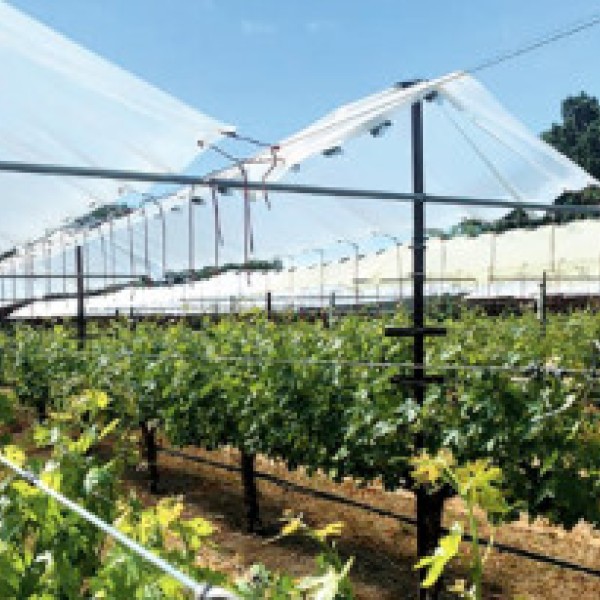
Greenhouse growing grapes

News

As the planet warms, wine-growing regions face an uncertain future. Should they double-down on what they grow or do something entirely different?
  • Charles H. Dyson School of Applied Economics and Management
  • School of Integrative Plant Science
  • Horticulture Section
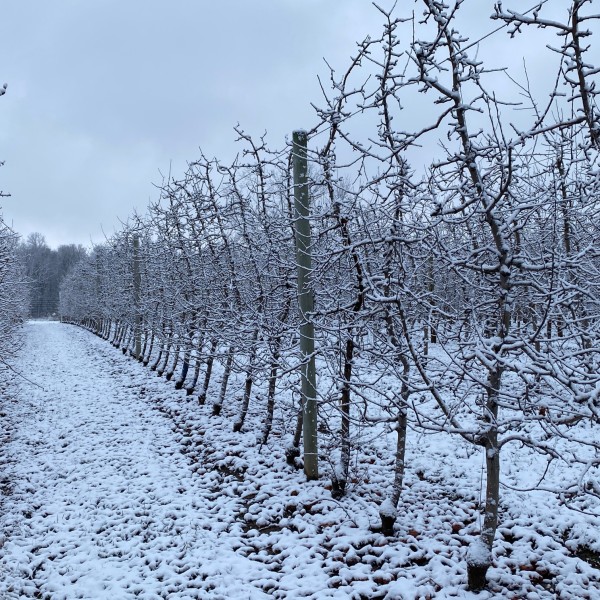
Snow-covered apple orchard with bare trees in neat rows.

Report

Relevance Winter freeze events can damage apple tree vascular tissues, leading to decline, reduced productivity, and economic loss. Growers have reported unexplained tree weakening but often lack clear guidance on how rootstock cold hardiness...

  • Cornell Cooperative Extension
Arianna D. Edinbugh ’28 presenting at at the MANRRS 40th Annual Training Conference and Career Expo

Field Note

Animal science major Arianna D. Edinbugh ’28 from Columbia, Maryland, was among seven students who traveled to Dallas to represent the college at the MANRRS 40th Annual Training Conference and Career Expo in April. The National Society of MANRRS...
  • Animal Science
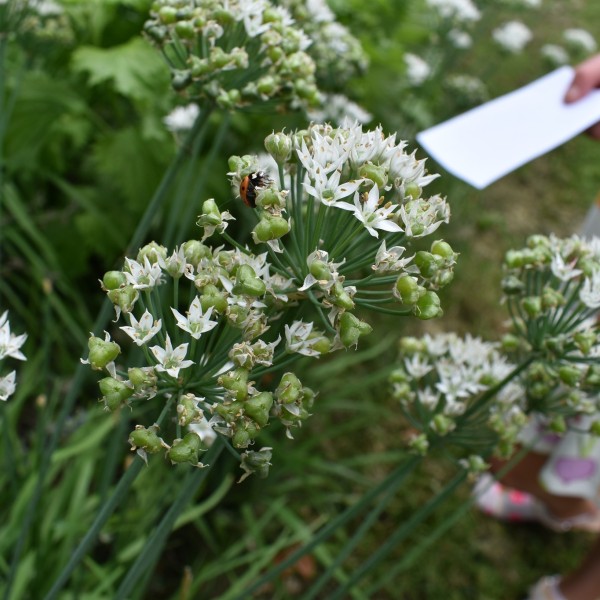
A red and black nine-spotted lady bug rests on a white flower.

Report

Relevance In New York, most insect pest outbreaks are naturally suppressed by predators such as lady beetles. However, declines in native ladybug species have reduced biodiversity that supports effective biological control. Phloem-feeding pests...
  • Cornell Cooperative Extension