


Teaching modules
Develop graduate and undergraduate teaching modules to train students to use and develop computational and modelling tools for produce safety.
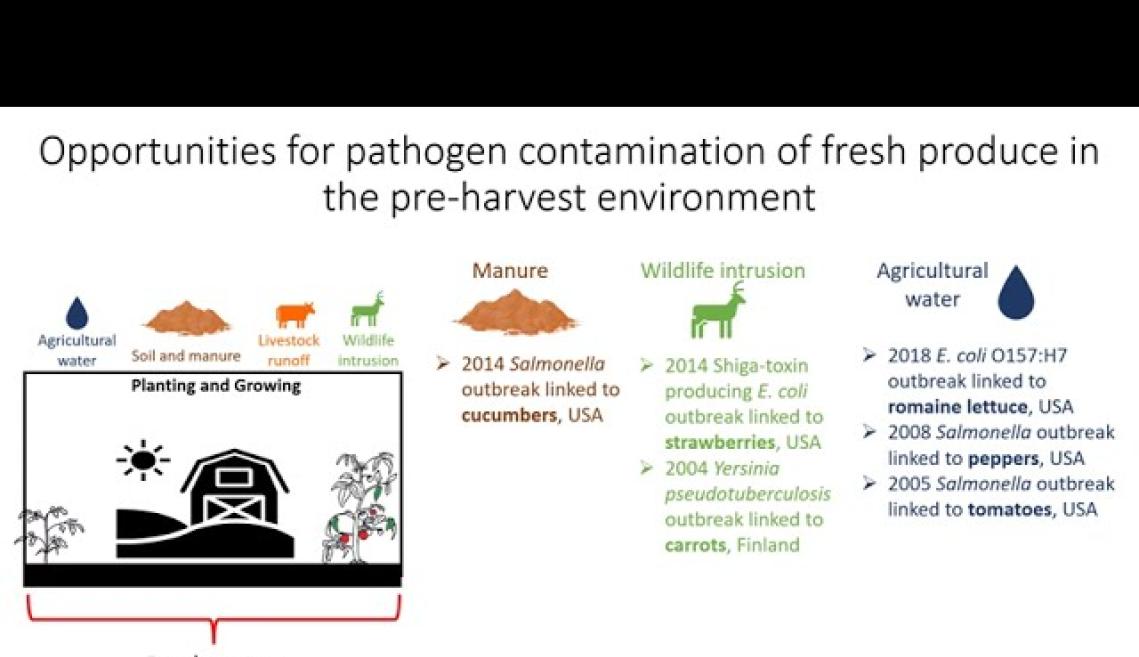
The goal is to develop teaching modules for graduate and undergraduate student to improve their understanding of (i) the produce supply chain from “farm-to-table” and (ii) application of modern computational tools, analytics, and modelling approaches to produce safety. Please click the link below to access the materials (i.e., slides, video captions, and assessment questionaries) for the developed courses.
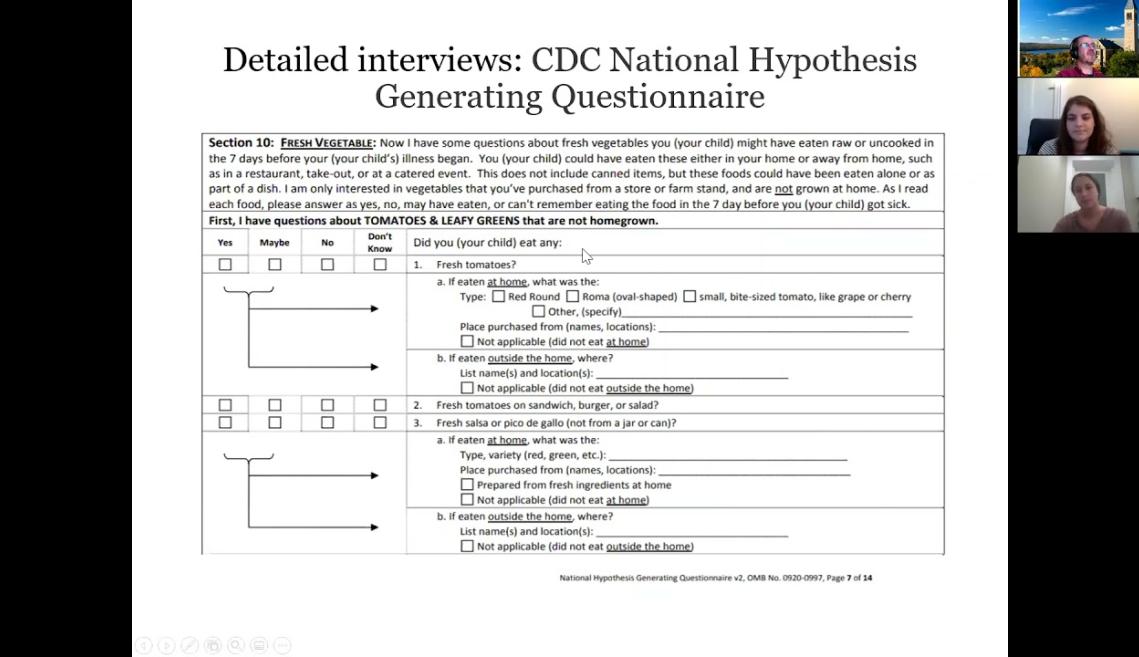
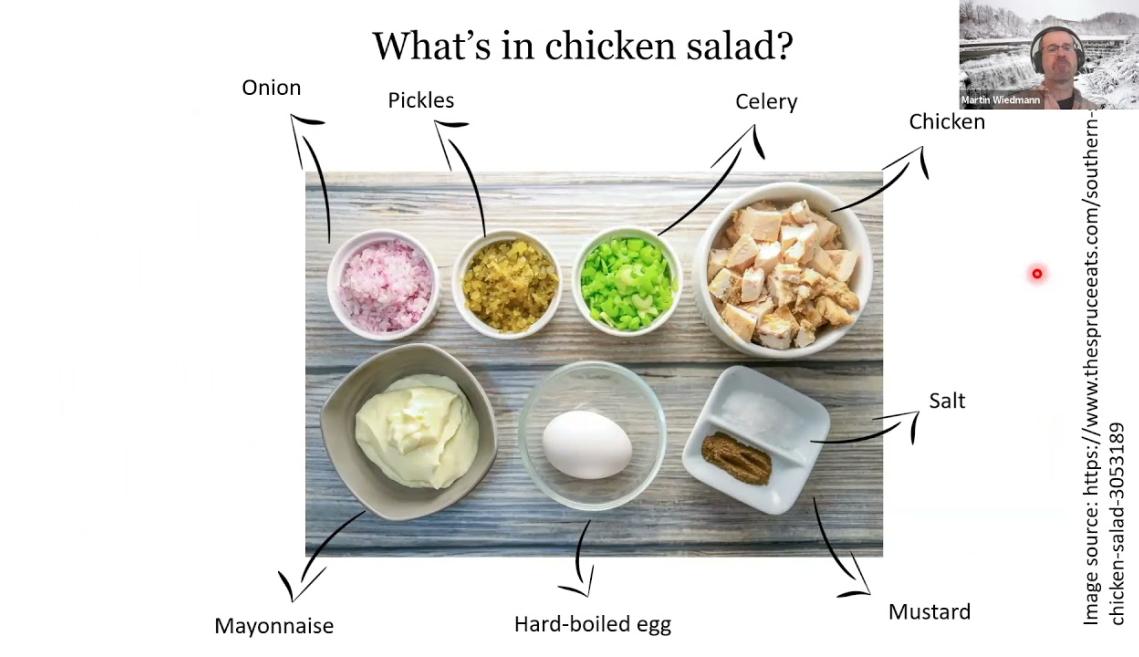
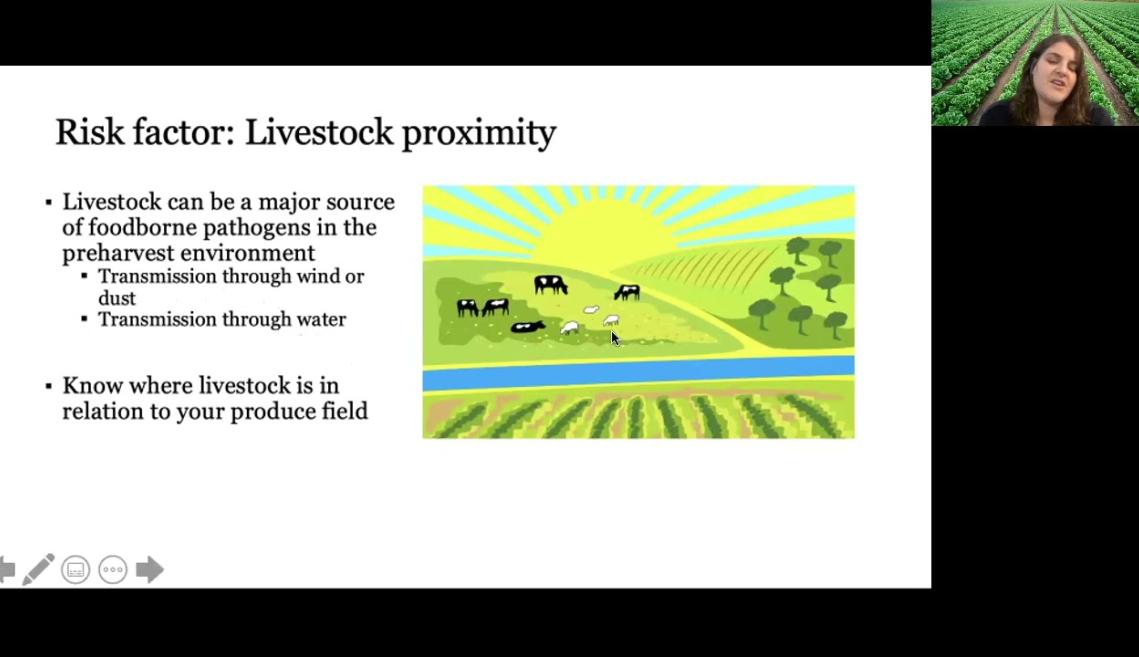
Undergrad Modeling Lectures
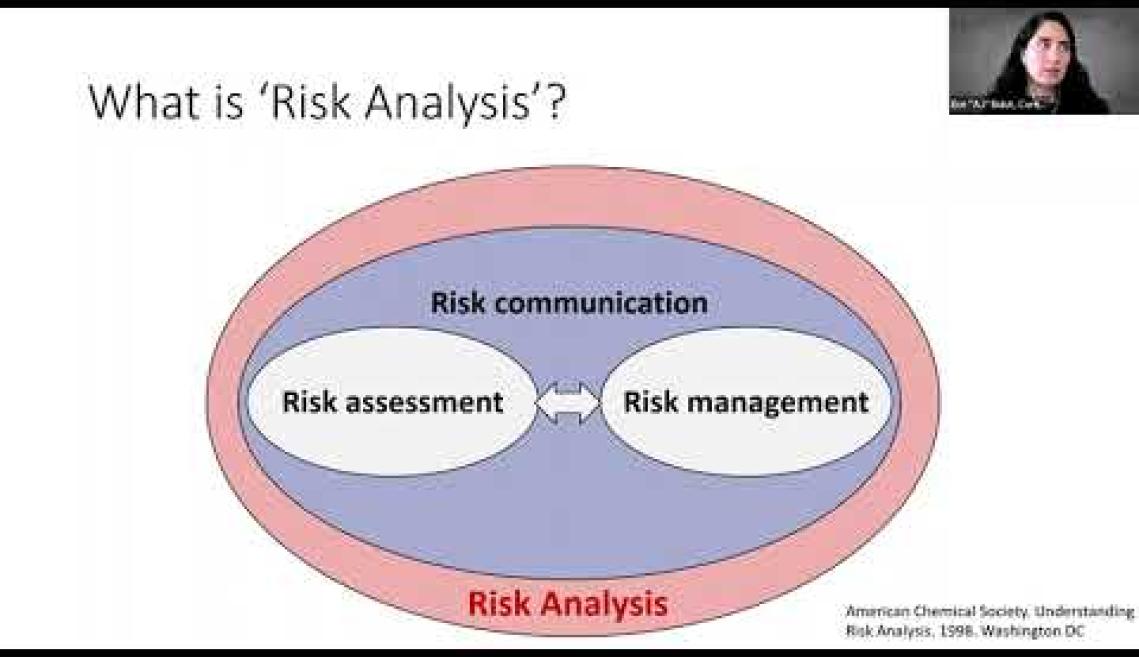
Advanced Modeling Lectures
Contact

Dr. Wiedmann's research focuses on the pathogenesis of foodborne diseases, pre- and post-harvest food safety and on improving our understanding of the evolution and ecology of foodborne bacterial pathogens and their transmission from farm animals and environments through foods to humans. Both basic and applied research in the laboratory is targeted towards developing the scientific knowledge necessary to improve the ability to prevent foodborne and zoonotic diseases.
Email: mw16@cornell.edu
Dr. Samantha Bolten is a postdoctoral associate at the Food Safety Lab. Her research is leveraging computational and modeling tools for the development of intervention strategies to mitigate microbial food safety hazards in pre-harvest and post-harvest environments.
Email: sjb375@cornell.edi
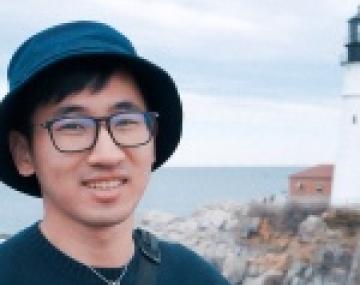
Dr. Luke Qian is a postdoctoral associate at the Food Safety Lab. His research focuses on developing prediction models to assess risk in food products and guide better risk management decisions.
Email: cq87@cornell.edu
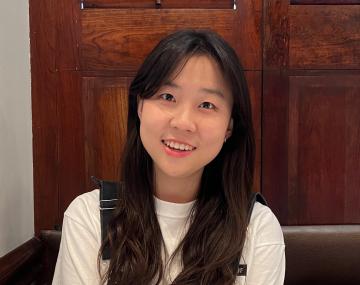
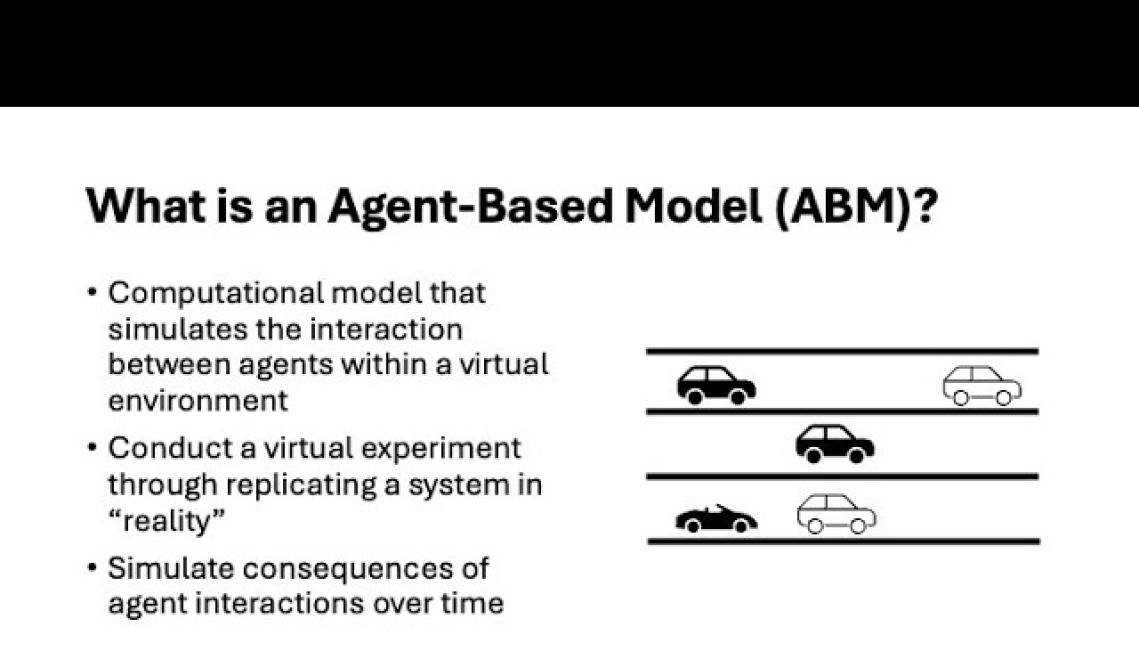
YeonJin is a current Ph.D. student at the Food Safety Lab. Her research focuses on developing an agent-based model to improve pathogen sampling plans and control strategies in retail stores in order to minimize Listeria contamination.
Email: yj354@cornell.edu