Hundreds of children swarmed Insectapalooza at Comstock Hall Oct. 20.
Theo Nguyen, 5, a spider aficionado from Westchester, New York, stayed in the spider sanctuary for a while. At home, his walls are covered in spider art that he made. “I like spiders because they have eight legs and eight is my favorite number,” he said.
The giant peppered cockroach – about the size of young child’s fist – was popular. Jennifer Peaslee, program coordinator at the Wildlife Health Lab in Cornell’s Animal Health Diagnostic Center, saw that kids were fascinated with the detrivore roaches. “They make their own compost,” she explained.
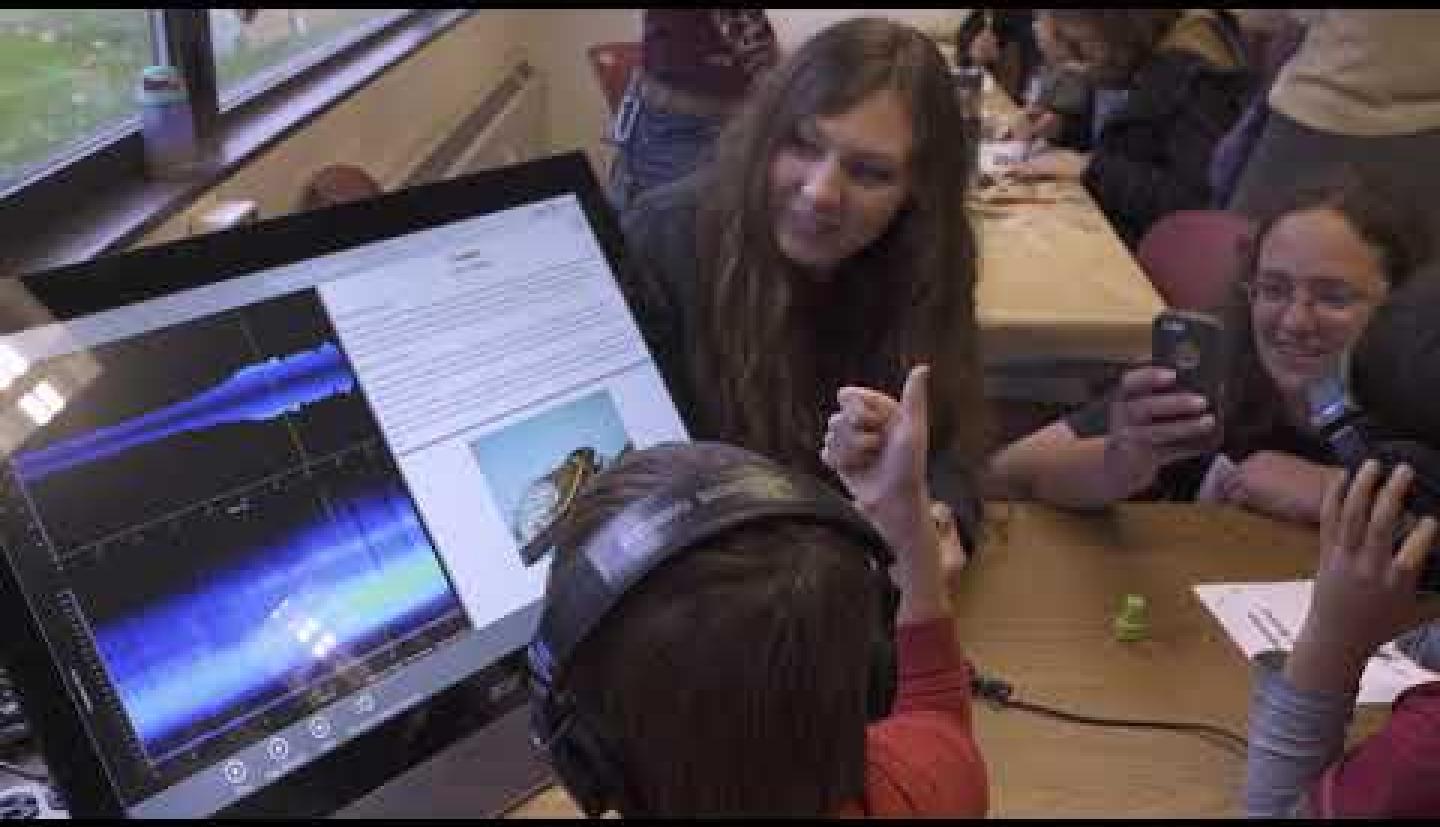
Three tarantulas – a Brazilian salmon pink bird-eater with an 11-inch leg span, the Mexican golden red rump and the Mexican red knee – along with scorpions, attracted most children to “Predators Death Row.”
Wearing a T-shirt that proclaimed “Future Entomologist,” Sofia Calvert, 11, of Syracuse, New York, held the Giant Leaf Insect, a katydid from the Caribbean. “I raise Monarch butterflies and I like to hold insect species,” she said.
As a docent in the very popular butterfly room, Cornell student Sarah Marino ’19, a veteran of three previous Insectapaloozas, said she was heartened by all the children attending and noted the high number of girls. “These events make science so accessible,” she said. “Most kids don’t get to experience insects up close like this.”