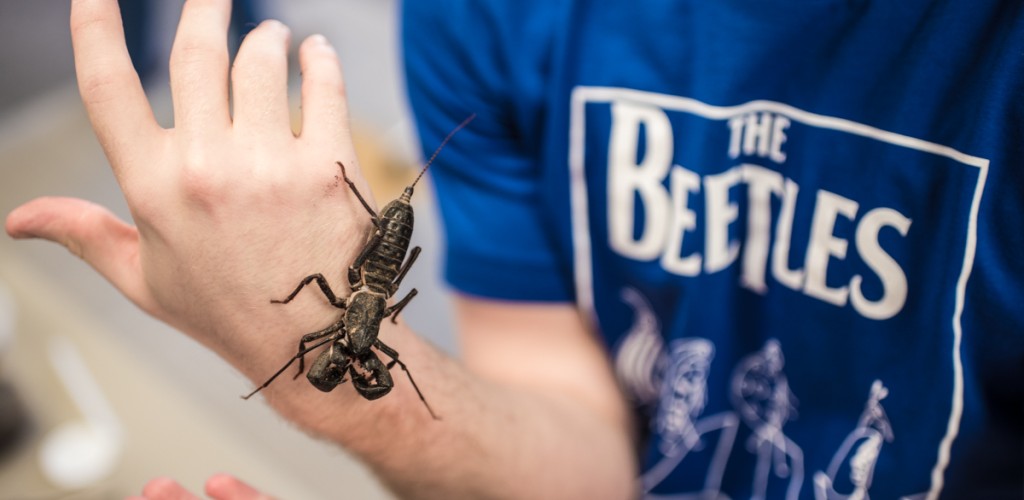
Ever wonder what it’s like to stick your hand in a bucket of maggots? Your chance will soon be here at Insectapalooza 2018.
Now in its 15th year, the interactive, hands-on celebration of insects will take place Oct. 20, 9 a.m. to 3 p.m., in Comstock Hall. Hosted by the Department of Entomology, the insect fair will feature upward of 150 species of live insects, thousands of pinned specimens from the Cornell University Insect Collection, educational displays, activities and exhibits. Past years have attracted up to 4,000 children, teens and adults to the event.
With a “fear factor” theme, just in time for Halloween, one exhibit will give participants a rare opportunity to plunge their hands into a bucket of maggots. In truth, the buckets will likely contain wire worms, the larvae of click beetles.
Other mainstay exhibits will include a butterfly room, where visitors can interact with free-flying butterflies; a pollinator room devoted to live honeybees and bumblebees, with honey-tasting and a pollinator-friendly garden exhibit; an arthropod zoo with scorpions, exotic spiders including tarantulas, and other unusual arachnids; cockroach races; and kid-friendly activities including face painting and stickers.
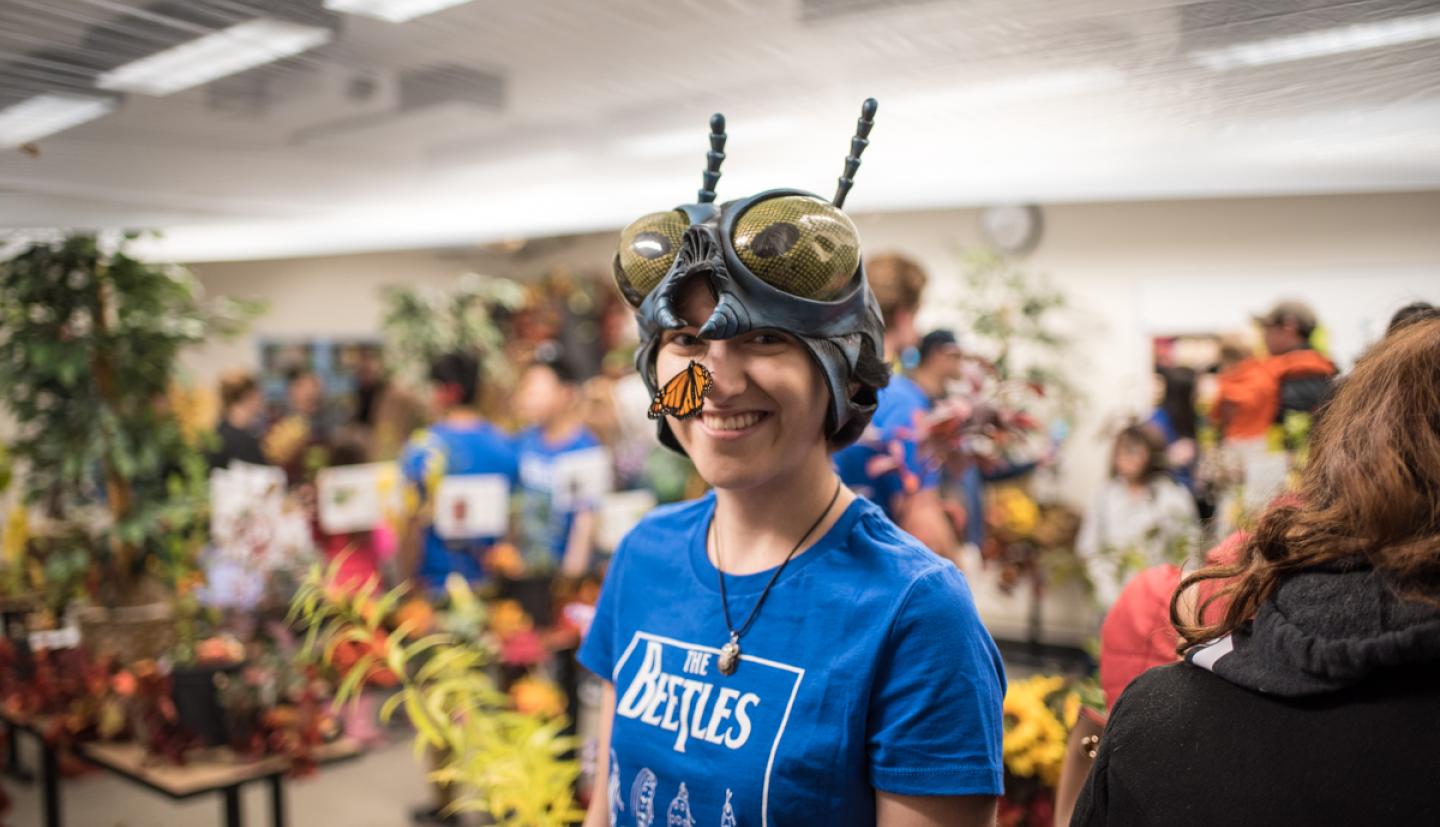
The event seeks to raise awareness about the many ways insects are important.
“Aside from insects being fun, from an educational perspective, they play important roles in ecosystems,” said Scott McArt, assistant professor of entomology. “Insects are major pests on crops that we try to control to have an abundant food supply. Insect predators also provide many positive services in terms of pest control, pollinators are important for pollinating our crops, and mosquitoes and ticks are big players in terms of human health.”
Entomologists are starting to notice declines in insect populations worldwide. While the declines of pollinators such as monarch butterflies and bees have made headlines, many other groups of insects are at risk, McArt said.
“People tend to say, ‘If we’re losing a bunch of interesting insects, that’s an interesting fact, but why does it matter to me?’” he said. “Hopefully, in an open house like this, we can get across that insects are important for many of the fundamental things that we rely on.”
Every lab in the department will have its own display, assembled by each lab’s principal investigator, postdoctoral researchers, graduate students and undergraduates.
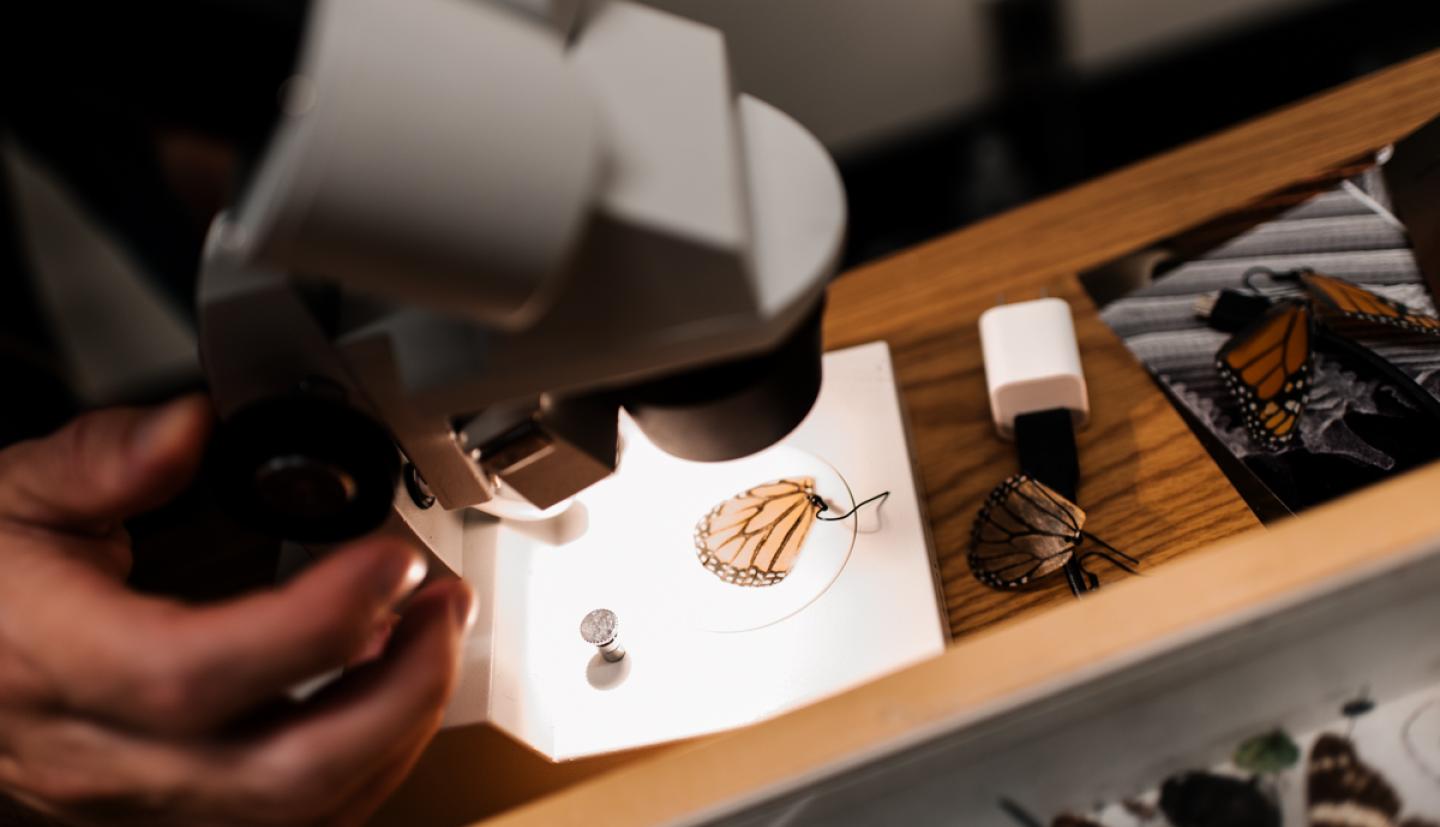
Professor Laura Harrington’s lab, for example, will feature mosquito exhibits from a medical entomology perspective, to show how mosquitoes are important human disease vectors and explain efforts to better control them. Other exhibits will feature pollinators and what we know about their declines and pests of agricultural crops. Such ecologically and economically damaging invasive insects as the emerald ash borer and Asian longhorn beetle will be highlighted.
There is a $3 entry fee; children 3 and younger will be admitted free.