Back

Discover CALS

See how our current work and research is bringing new thinking and new solutions to some of today's biggest challenges.

Share
  • Ashley School of Global Development and the Environment
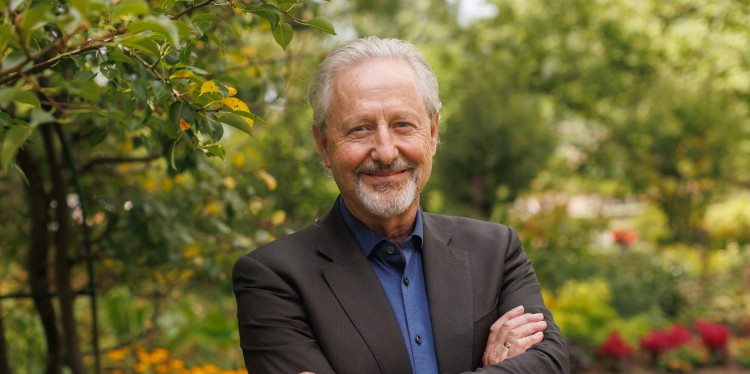
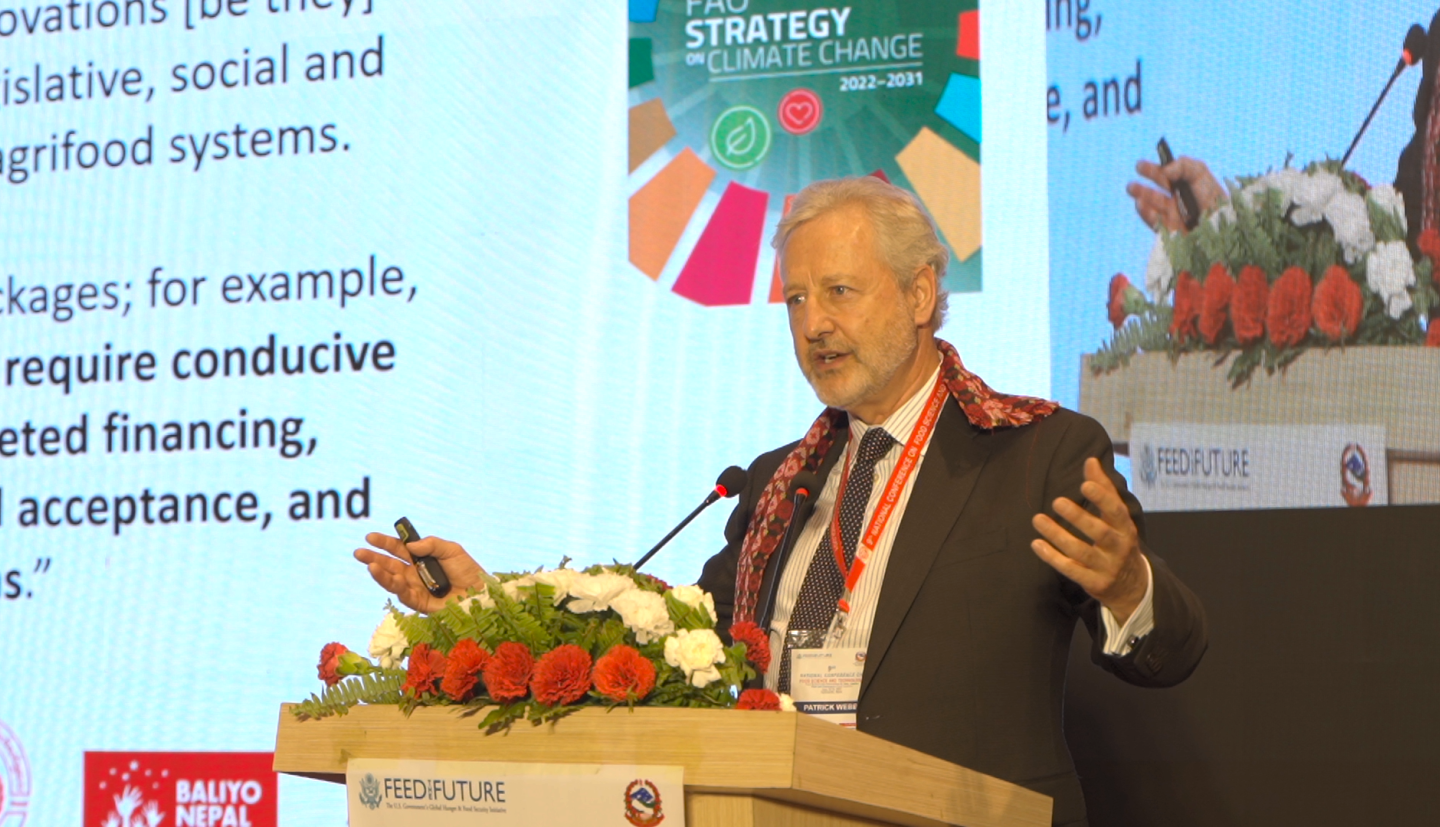
Patrick Webb, executive director, Ashley School of Global Development and the Environment

Academic focus: Transforming our food systems to support the health of people and the planet

Research summary: I study the costs, benefits and tradeoffs involved in policies aimed at transforming food systems to support healthy and sustainable diets. This involves complex modeling using data from the U.S. or from countries around the world, rigorous data on the actual costs of various policy interventions (like cutting food loss and waste through improved storage technologies, supporting school meals through procurement from local farms, or increasing the purchasing power of low-income families). I also pursue research on how to enhance the nutritional impact of emergency food aid, how to better measure the quality of policy implementation in low-income countries (improved governance) and how to support greater resilience of communities impacted by extreme weather or financial shocks.
What do you like to do when you’re not working?

Deep reads into ancient history and archaeology. Cycling and hiking. Planning my next trip to a remote part of our fascinating planet. Classical music. Writing historical fiction; nothing published yet, but hope springs eternal.

What brought you to Cornell CALS?

The huge potential for innovative scholarship, education and impact offered by the creation of the new Ashley School of Global Development and the Environment. The world faces so many complex challenges that we need cutting-edge interdisciplinary work of the highest caliber to find (and help apply) appropriate and lasting solutions.

What is an interesting fact about your field of study that you think everyone should know?

Everybody eats. This represents a shared human experience, but one that carries significant implications, through dietary choices, for our environment and climate as well as for our health and well-being. Better understanding these links is a first step to better guiding our collective choices of what is grown where and how, to who eats what and when.

Why did you feel inspired to pursue a career in this field? 

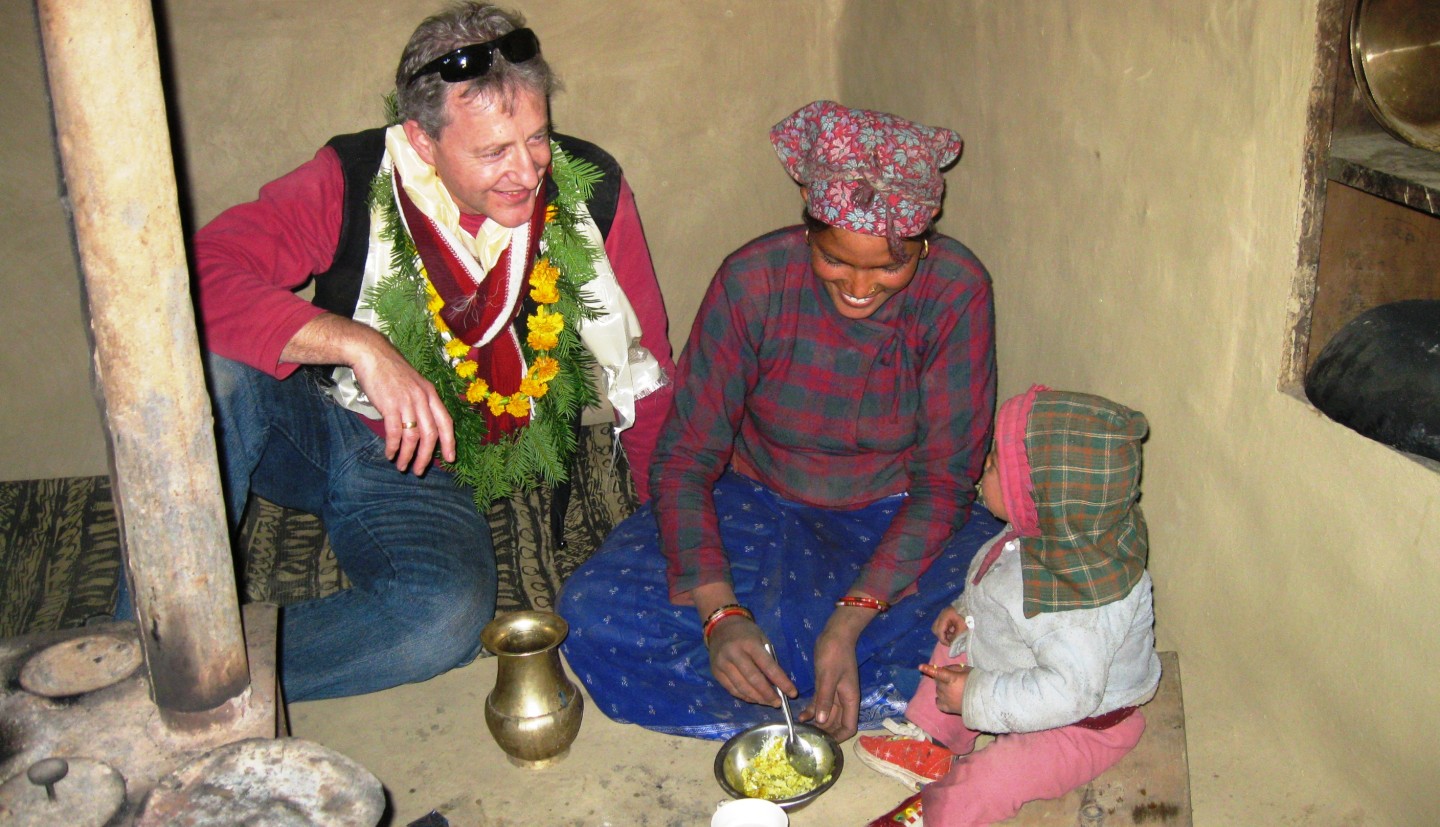
My desire to work internationally was ignited by my French maternal grandfather who spent his career working in countries like Vietnam, Madagascar and Senegal. His stories of life in the tropics were, of course, exotic and full of adventure; but it was the recurring theme of shared humanity that resonated with me. He made so many deep friendships and lived a full life engaged with resource-constrained communities around the world. I was drawn to discover such experiences for myself. It wasn’t about “how can I help?” but “how can I share in peoples’ hopes and dreams and participate in making them real?”

What advice do you have for students interested in your field of study? 

Seek out the positives and never lose the optimistic spark that brought you here.

What are your current or future outreach/extension projects?

Learn more about Patrick from his CALS profile.

Keep Exploring

Ke Wang

Spotlight

Academic focus: Bioprocess engineering and precision fermentation Research summary: My research program focuses on using bioprocess engineering approaches to address current and emerging challenges in food security and environmental...
  • Cornell AgriTech
  • Food Science
Mabel Taracena Agarwal

Spotlight

Academic focus: Insect physiology, microbiology, midgut biology and vector–pathogen interactions Research summary: I study the female mosquito midgut – the first organ a blood meal, and any pathogen it carries, must pass through in the...
  • Entomology