Academic focus: Sustainable fisheries; ecology of marine, estuarine and freshwater ecosystems
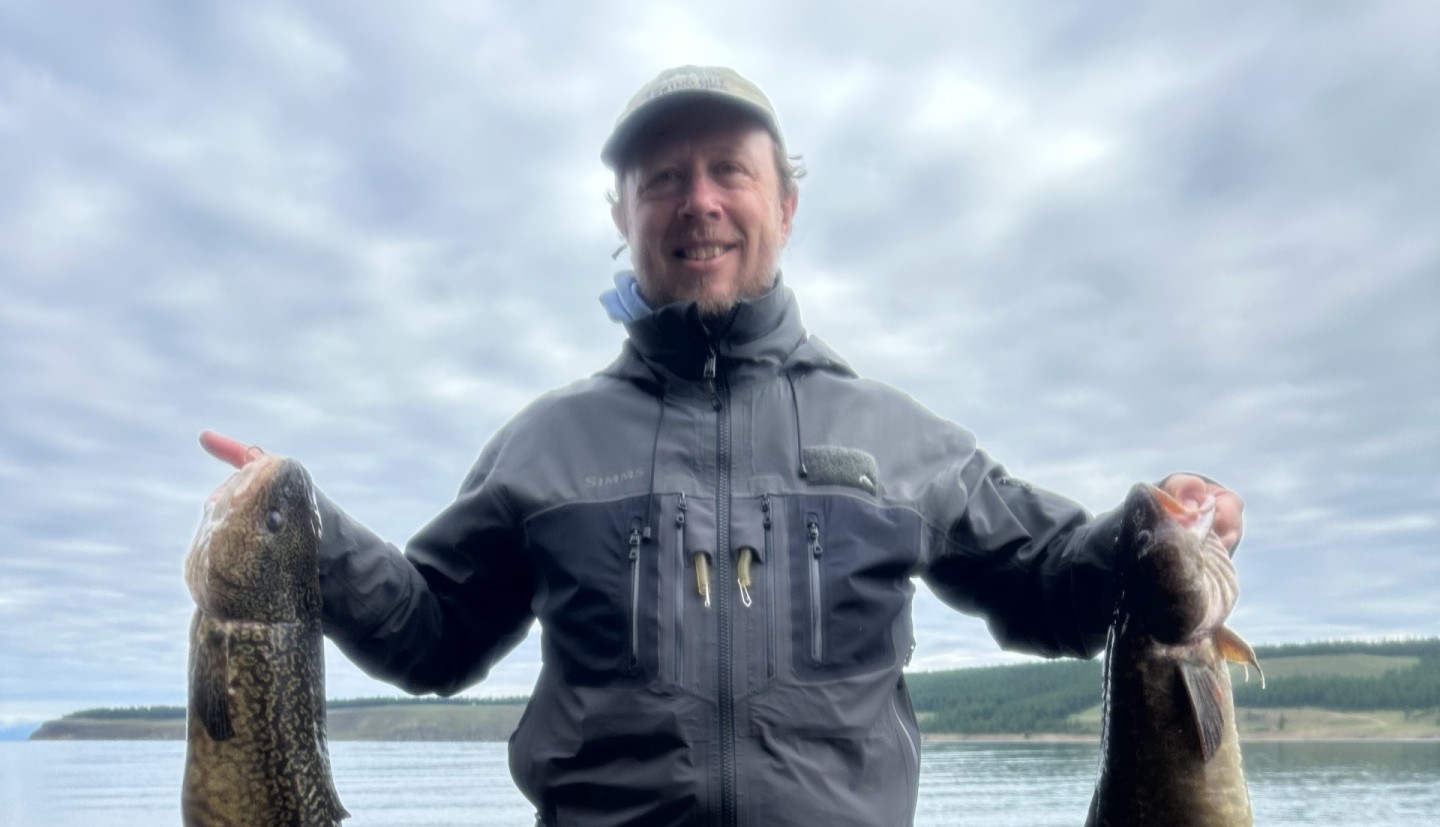
Research summary: Research in my lab spans a range from field studies of recreational fisheries and climate change in the U.S. and Mongolia to impacts of oil spills and marsh restoration in the northern Gulf of Mexico. Our research on global fisheries sustainability has used stock assessment data to examine the relative effectiveness of different management approaches, the recovery time of overfished populations, the effectiveness of marine reserves, and the impacts of climate change on marine fish and invertebrates. We study fisheries as social-ecological systems, including fish (of course!) as well as the people who harvest them.
What do you like to do when you’re not working?
My three kids (ages 5-9) keep me pretty busy. But when I’m not slinging cheerios, I enjoy outdoorsy activities like sailing, fishing and camping.
What brought you to Cornell CALS?
The fantastic colleagues in the Department of Natural Resources and the Environment (now part of the Ashley School) and the chance to serve as director of the Cornell Biological Field Station on Oneida Lake. The field station – known as “Shack” to its friends – is one of the places where my career as a fisheries scientist first started when I was a Cornell undergraduate.
What is an interesting fact about your field of study that you think everyone should know?
Despite the relentless bad news about our oceans, fish caught in U.S. waters are among the most sustainable sources of animal protein available. The federal fishery management system in America has been incredibly successful at recovering overfished populations and balancing conservation with the livelihoods of fishermen and coastal communities.
Why did you feel inspired to pursue a career in this field?
I’ve always been a fish nerd and grew up fishing and snorkeling on the Delaware River in Sullivan County. When I discovered that fisheries scientist was an actual job title, my fate was sealed.