Academic focus: Animal behavior, animal communication, evolution, bioacoustics
Research summary: I am an evolutionary biologist who studies animal behavior, particularly how and why animals communicate and how communication changes as environments change. Much of my work focuses on birdsong, combining field and laboratory experiments with historical recordings, genomics, neurobiology and comparative approaches. My research asks how behavior both responds to environmental change – from urban noise to extreme heat – and contributes to evolutionary diversification. At Cornell, I am especially excited to use the Macaulay Library’s extraordinary collection with new computational and AI approaches to study animal communication and biodiversity across species, locations and time.
What do you like to do when you’re not working?
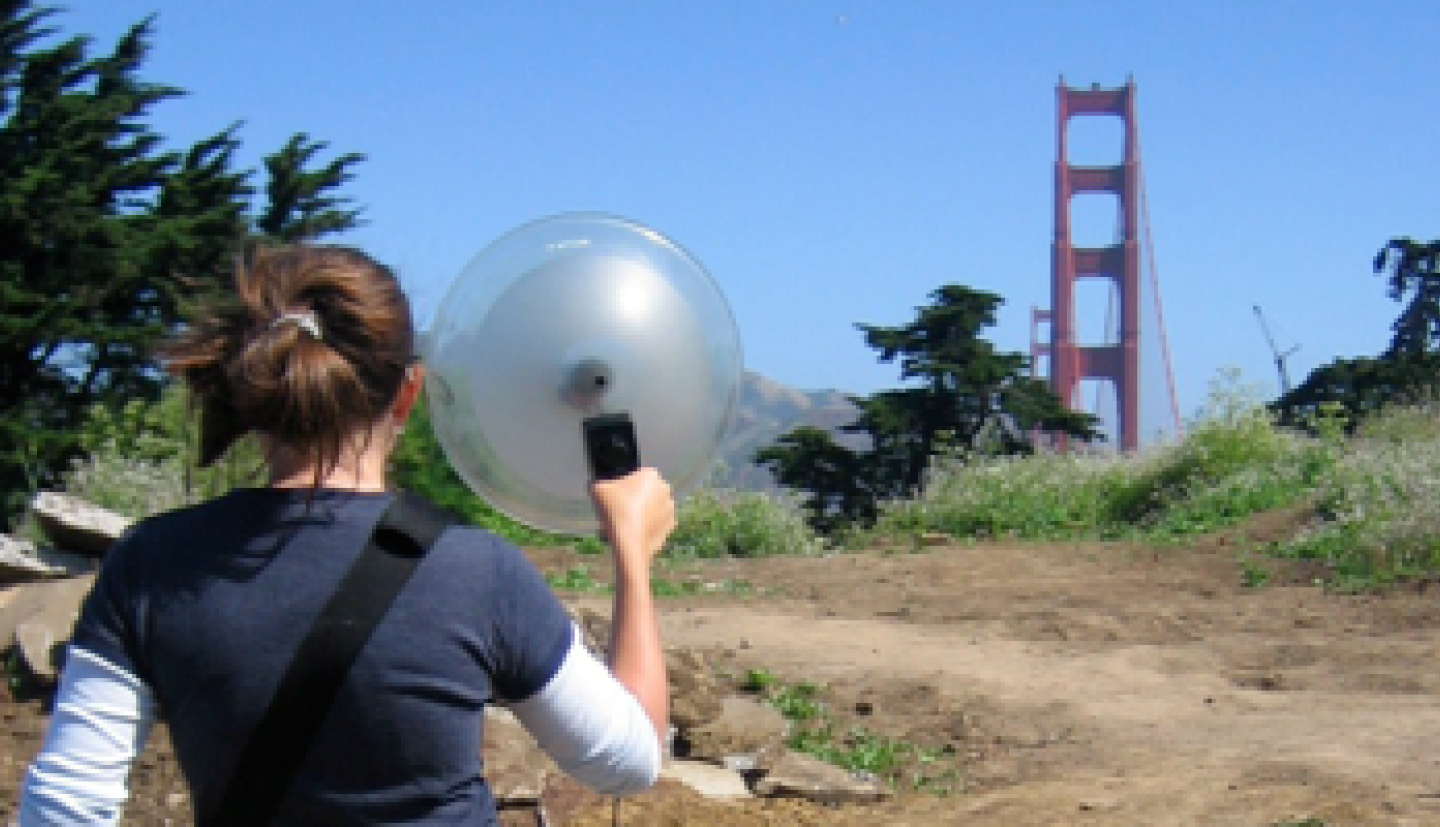
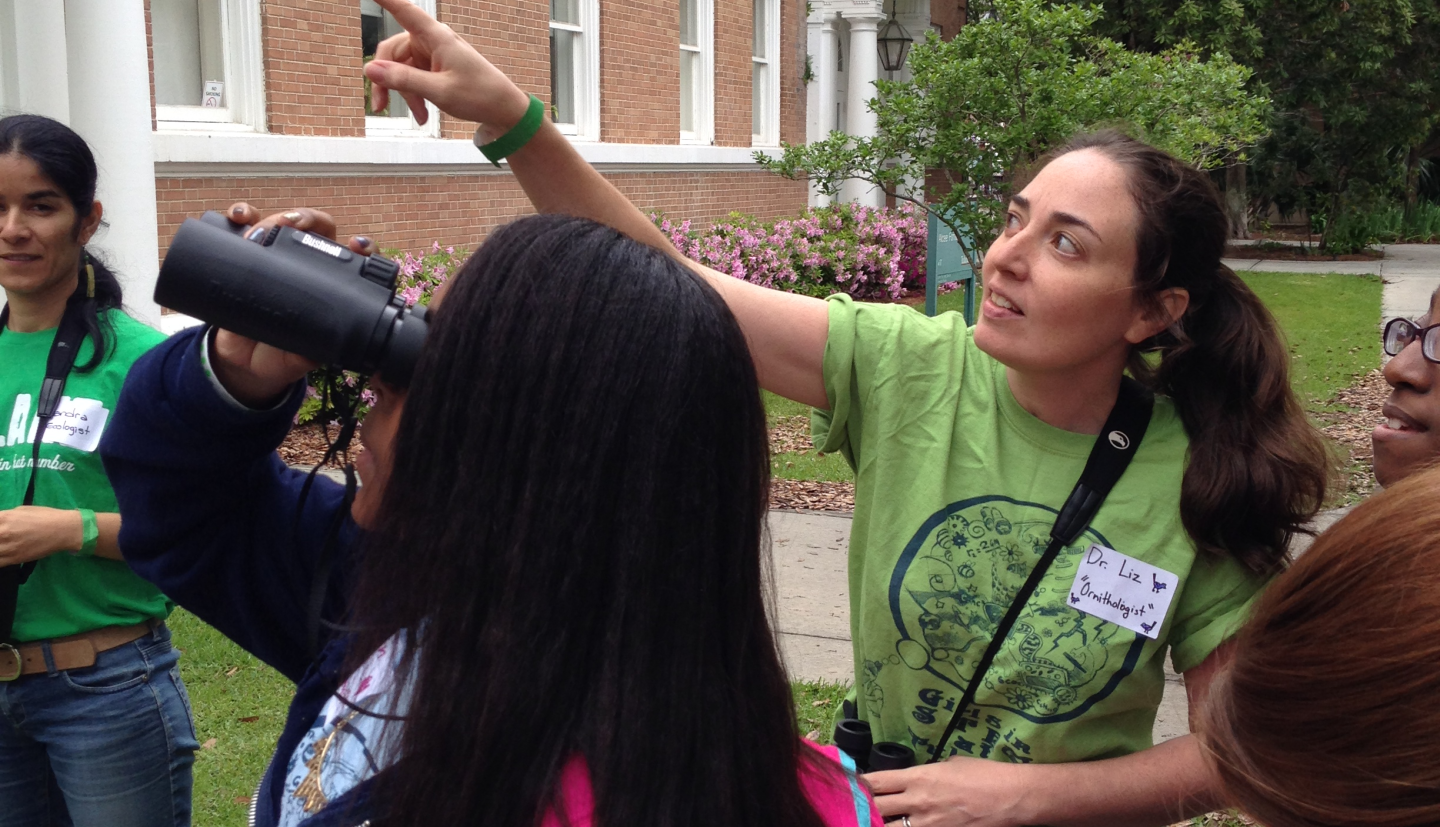
I spend a lot of time with my kids, who are 14 and 8, swimming, ice skating, playing baseball, and knitting or crocheting, though they’re much better at most of those things than I am! I was also a Girl Scout leader for eight years, and I love spending time with kids outdoors as their curiosity about nature always reenergizes me. And even when I’m not working, I’m happiest outside watching birds behave. There’s still nothing quite like getting a great recording of a bird singing!
What brought you to Cornell CALS?
The Macaulay Library has been a beacon in my field throughout my career. Its recordings allow us to hear animals and environments that may no longer sound the same – or, in some cases, may no longer exist. The opportunity to help shape the future of that collection was irresistible. I was also drawn to Cornell by the remarkable community of people studying animal behavior, evolution and biodiversity here. I’m eager to work with the incredible Macaulay Library team to expand the types of questions we can ask of the collections, drawing on the breadth of expertise across the Lab of Ornithology and CALS.
What is an interesting fact about your field of study that you think everyone should know?
Animal sounds are more than something beautiful to listen to; they also contain information about animals, their environments and how both are changing. A recording of birdsong can tell us about an individual’s behavior, but collections of recordings made across decades can reveal changes in populations, cultures and even environments. Increasingly, we can use computational tools to analyze millions of these recordings in short order. That means sounds collected by scientists and community members years ago can help us answer questions that the people who made those recordings never imagined.