Back

Discover CALS

See how our current work and research is bringing new thinking and new solutions to some of today's biggest challenges.

Share
  • Cornell AgriTech
  • Food Science
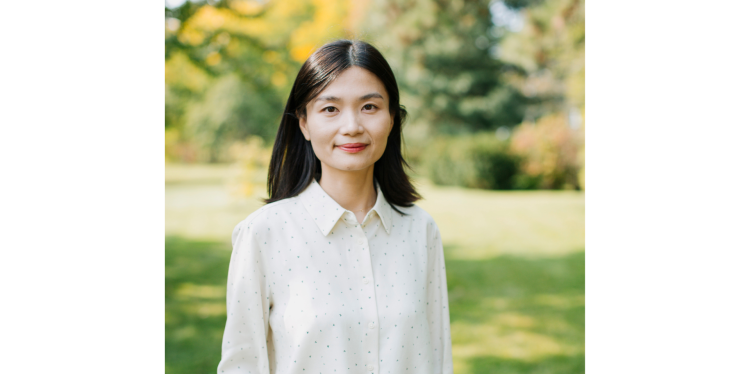
Ke Wang, assistant professor, Department of Food Science, Cornell AgriTech

Academic focus: Bioprocess engineering and precision fermentation

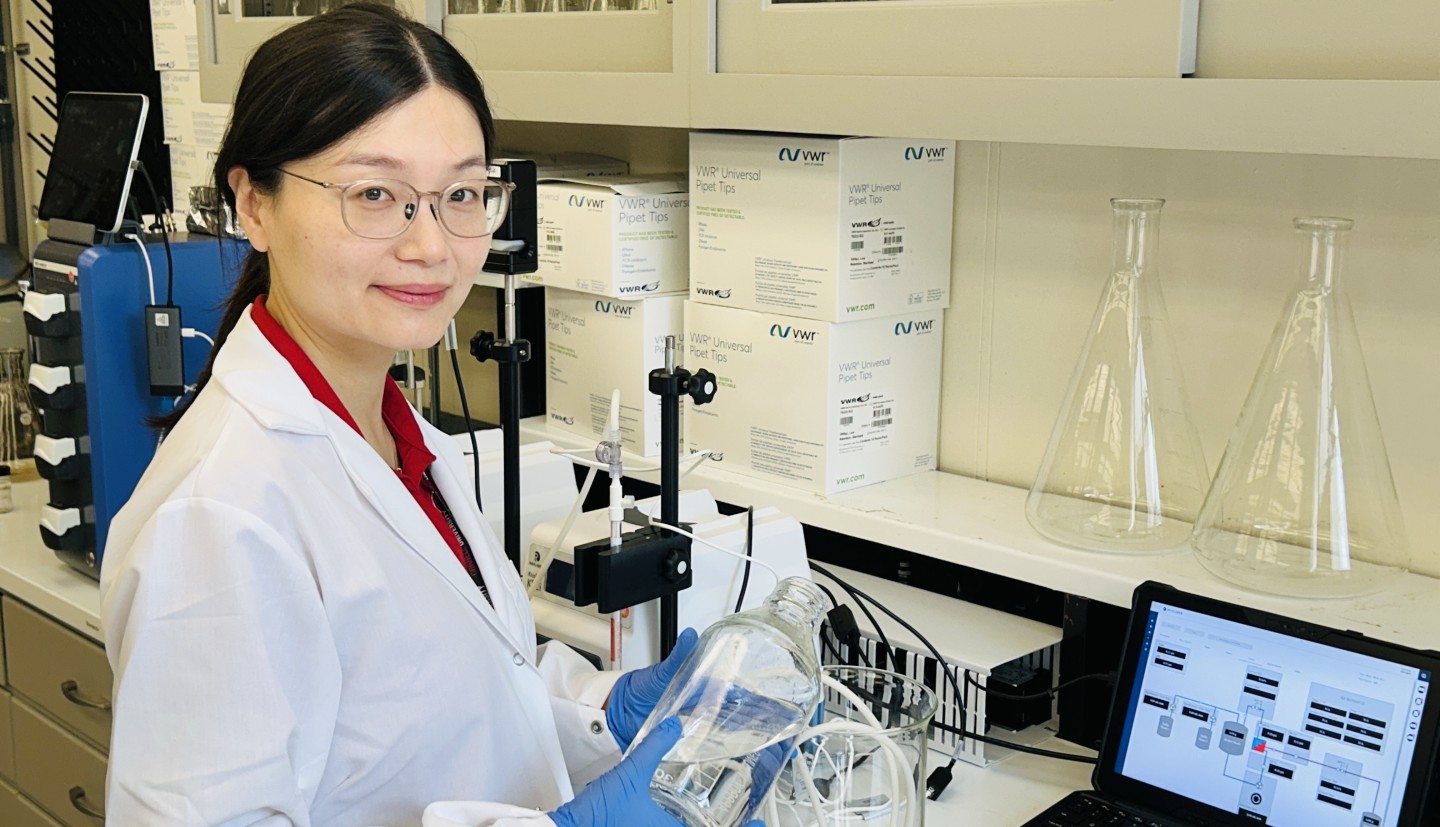
Research summary: My research program focuses on using bioprocess engineering approaches to address current and emerging challenges in food security and environmental sustainability. To achieve this, we use microorganisms, which are programmable cellular factories, to convert complex agri-food waste and low-value feedstocks into value-added products. My lab investigates how microorganisms synthesize cellular substances under heterogeneous environments and their implications on bioprocess innovations. With that goal, we have been working on two major themes: 1) fermentation-based novel foods and functional ingredients; 2) sustainable biomaterials and bioremediation. This research advances our fundamental understanding of relationships bridging molecular mechanisms and macrolevel properties, and innovating bioprocess engineering approaches with tangible impact.

What do you like to do when you’re not working?

I like to spend time with family and friends for fun things, such as watching a Syracuse Mets game, exploring hiking trails and hosting a BBQ party.

What brought you to Cornell CALS?

Cornell CALS represents a world-class research institute for translating biological discoveries into tangible and sustainable engineering solutions. I am very honored and excited to work alongside top-tier scientists and engineers, to contribute to the technological advancement, and to educate the next generations of our society.

What is an interesting fact about your field of study that you think everyone should know?

People might find the concept of “cellular machinery” or “biomanufacturing” unfamiliar. However, microorganisms have been used for thousands of years to create everyday food, medicine and industrial chemicals. For instance, the life-saving antibiotic penicillin is derived from Penicillium molds; and for bread-making, yeast ferments sugars into carbon dioxide gas to make dough rise.

Why did you feel inspired to pursue a career in this field? 

I first got inspired during graduate research, where I was fascinated with the capability of microbes to convert food waste into all kinds of products, such as biofuel and biomaterial. I’ve also worked in the biopharma industry for a few years and experienced the life-changing impact of biotechnology on people. From then on, I am determined to pursue a career in this field, with a goal of making this world a better place through biotech advancement.

What advice do you have for students interested in your field of study? 

Momentum is key to success in any field of study. Stay focused, motivated and dedicated to keeping the momentum. And be kind to yourself in life: eat well, sleep well and have a hobby.

Learn more about Ke from her CALS profile.

Keep Exploring

Patrick Webb

Spotlight

Academic focus: Transforming our food systems to support the health of people and the planet Research summary: I study the costs, benefits and tradeoffs involved in policies aimed at transforming food systems to support healthy and sustainable...
  • Ashley School of Global Development and the Environment
Mabel Taracena Agarwal

Spotlight

Academic focus: Insect physiology, microbiology, midgut biology and vector–pathogen interactions Research summary: I study the female mosquito midgut – the first organ a blood meal, and any pathogen it carries, must pass through in the...
  • Entomology