

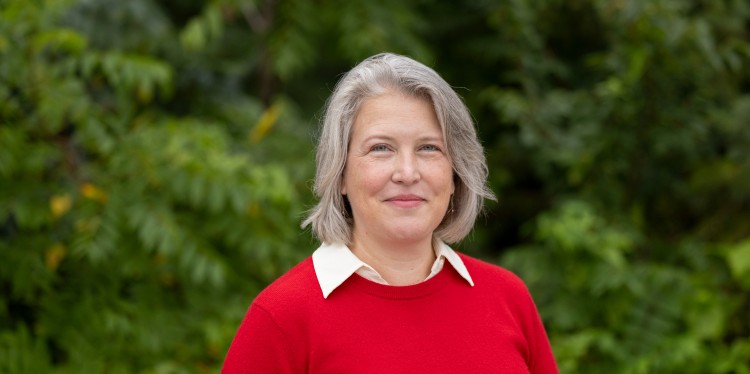
Academic focus: Ecology, biogeochemistry, environmental science
Research summary: The core of my research interests are in watershed biogeochemistry and freshwater ecology, with most of my current effort invested in understanding how the ways in which people live on and use the landscape alters the structure, function, chemistry and biodiversity of receiving streams and wetlands.
What do you like to do when you’re not working?
I love hiking, cooking and reading, and I’m always picking up some new art or craft. I’m a serial, rather than serious, hobbyist.
What brought you to Cornell CALS?
I’m returning to Cornell (Ph.D. ’01) after 22 years on the Duke University faculty. I loved my job at Duke, but leading Cornell’s Atkinson Center for Sustainability represents a chance to contribute to environmental sustainability at a scale I could never reach as an individual researcher.
What is an interesting fact about your field of study that you think everyone should know?
My core skill set as a scientist is basically accounting: We measure the inflows, outflows and stocks of elements in ecosystems to understand how environmental stressors change the way natural systems work. The wonderful thing about this approach is that you can apply it to any system, at any scale, from the movement of nitrogen in a patch of moss to the global carbon cycle, and you always learn something new.
Why did you feel inspired to pursue a career in this field?
I grew up hiking and camping and loving being out in nature. When I learned I could spend my life just being curious about how natural systems are put together and how they work, I was all in.
What advice do you have for students interested in your field of study?
Spend time outside observing nature. Read good books that help you understand how life on Earth evolved into its incredible modern variety of organism forms and functions. Start thinking about how changes in the availability of chemical elements, water and energy over time have shaped that evolution, and what modern global change might mean for what comes next. If you enjoy thinking like this, biogeochemistry is a good path for you.
What are your current or future outreach/extension projects?
As the incoming director of the Atkinson Center for Sustainability, much of my leadership effort will go toward supporting and sharing the scholarship and impact of Cornellians who are pointing us toward a more sustainable future.
Learn more about Emily from her CALS profile and lab website.


