Academic focus: Poverty and political communication
Research summary: As an ethnographer, I study rural and urban communities facing extreme poverty, using immersive fieldwork and participant observation to document and interpret how they experience everyday life. A major facet of my research grapples with how structural conditions, from carceral state economics to news coverage of poverty-related issues, threaten equal access to democratic institutions and belief in democracy for poor communities.
What do you like to do when you’re not working?
I love going to new places and people watching: I’m a social tourist, really. I also love books, music, art, good coffee and swimming in the forest.
What brought you to Cornell CALS?
When I visited Cornell, I saw that the faculty in my department were equally as committed to creating a better world with their research. They were all so brilliant, and I felt that they truly understood the meaning of my work. They have been incredibly supportive in every possible way.
What is an interesting fact about your field of study that you think everyone should know?
Communication is often treated as something that happens within social life, when in fact it is part of the evolutionary architecture that creates and sustains human relationships on a personal and societal level. Communication in all its forms – from interpersonal to mass media – has an observable internal grammar that influences human identity and the coordination of civilization. It shapes what we know, who we trust, where we belong, and what we believe is possible individually and collectively.
What advice do you have for students interested in your field of study?
The conceptual knowledge and hard skills you acquire will make you competitive in a variety of job markets. However, be ready for a challenge. Scholarship in this field requires deep critical thinking to understand communication networks and systems. You need to be ready to develop excellent writing abilities and select which skills you plan to acquire, such as interviewing, magazine design, persuasive messaging, multimedia campaign creation, survey research and computational analysis.
What are your current or future outreach/extension projects?
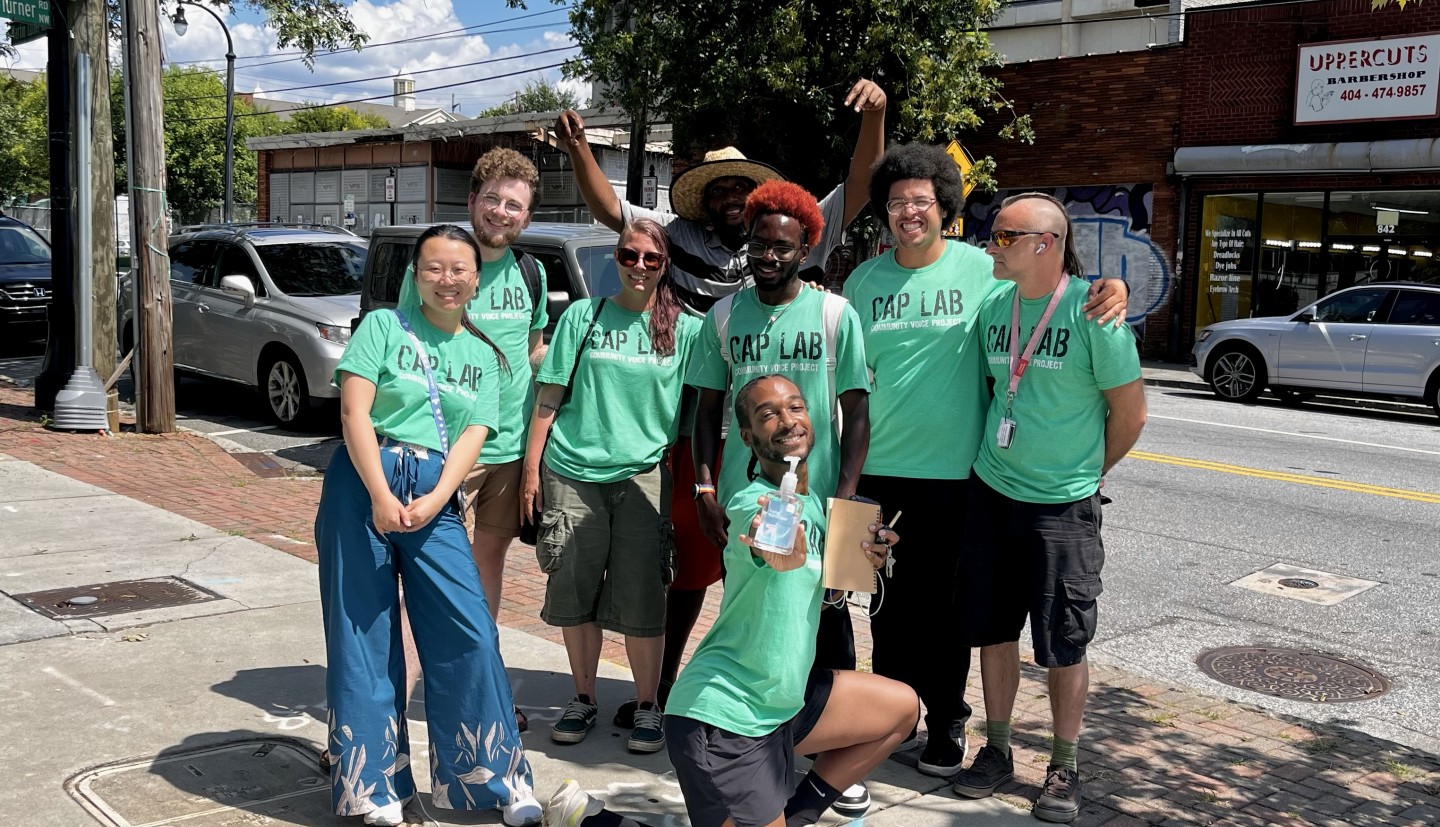
My primary outreach initiative is the Communication Addressing Poverty Lab’s Community Voice Project, a national community-based research program examining how communication, neighborhoods and institutions shape everyday life in low-income communities. We partner directly with community organizations and residents to conduct research and elevate community voices. As the project develops, this work will produce documentaries, educational materials, public events and academic publications that translate what we learn into resources for communities, practitioners and scholars.