Back

Discover CALS

See how our current work and research is bringing new thinking and new solutions to some of today's biggest challenges.

NYS 4-H Camps Specialist

Share

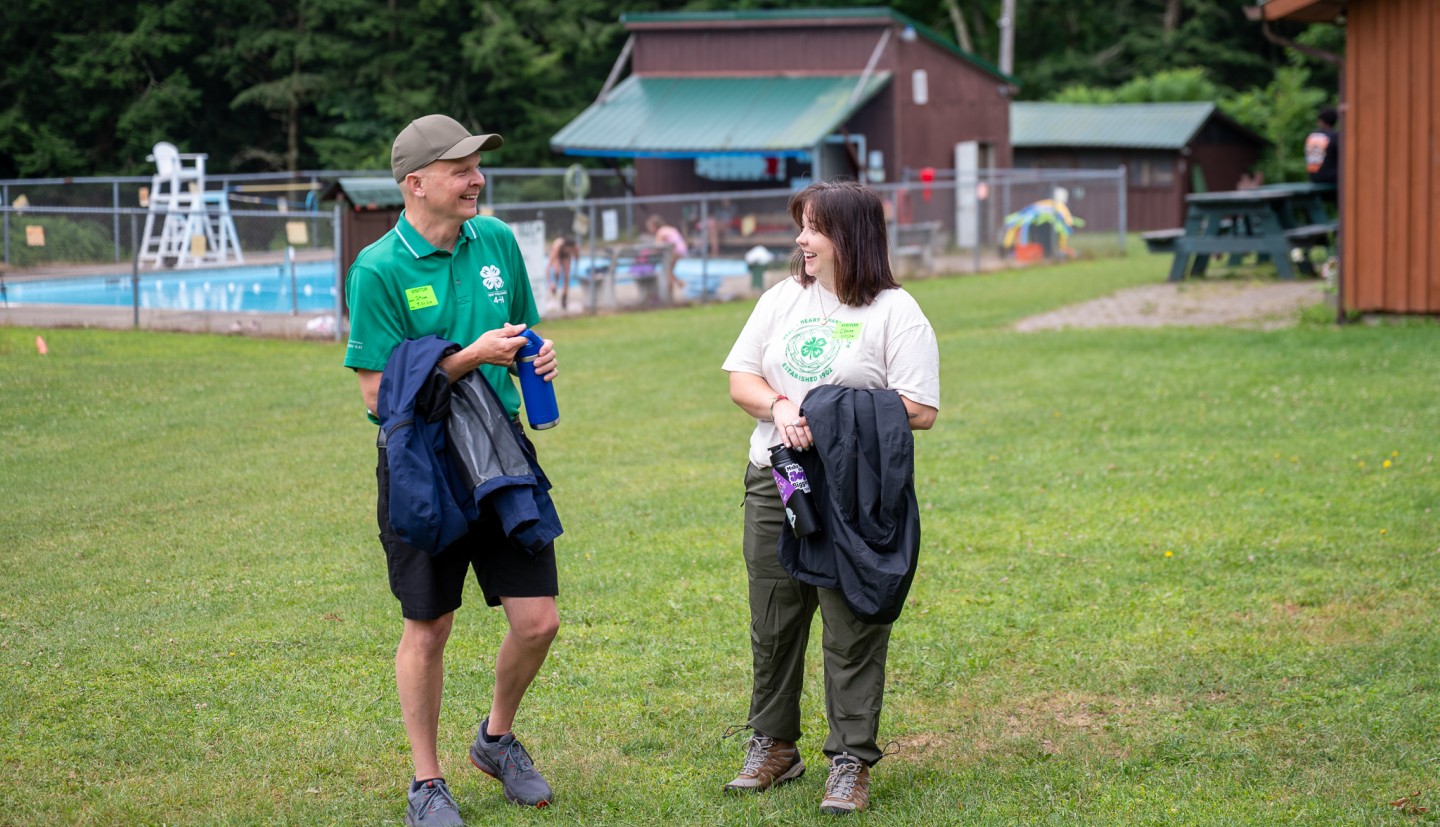
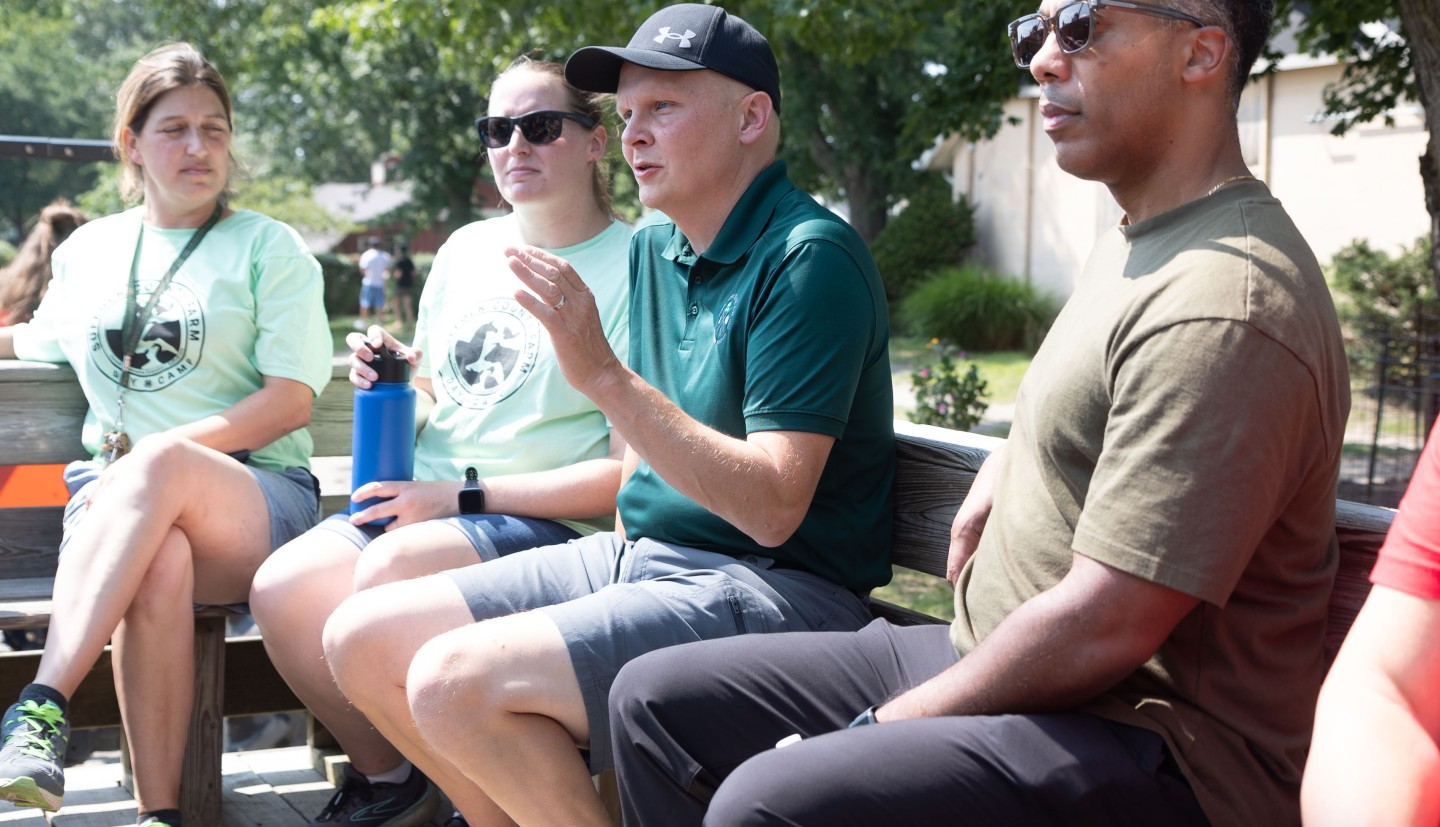
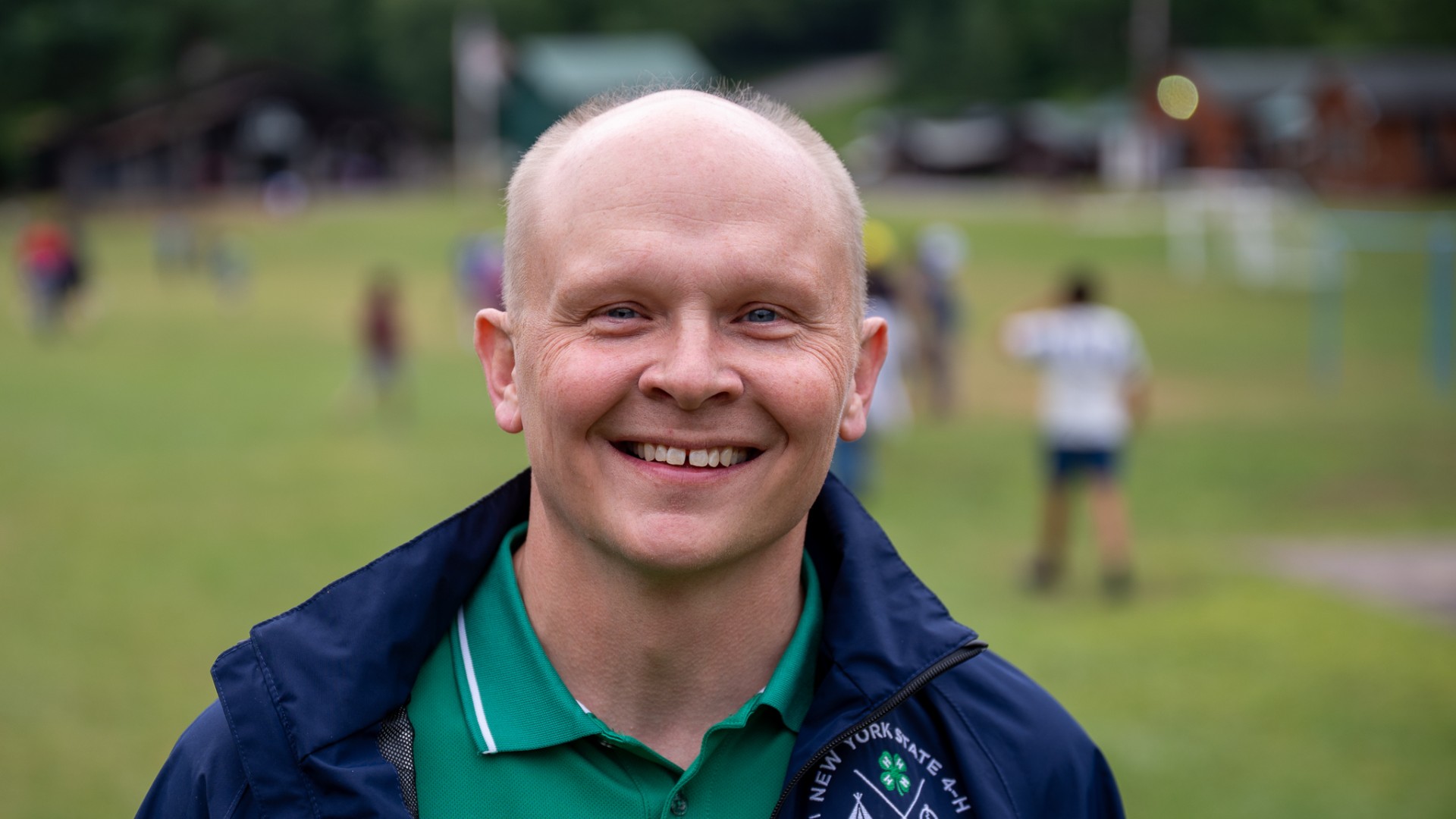
NYS 4-H Camps Specialist Shawn Tiede's journey to Cornell Cooperative Extension began with an unexpected recruitment. After recruiting a volunteer for the Boy Scouts, he found himself recruited in return—setting him on a career shaped by camp cabins, campfires, and generations of young people discovering confidence and community through 4-H.

Over the years, Tiede has progressed from camper to counselor, camp director, and now statewide specialist, helping oversee a 4-H camping system that has grown from nine camps to 34.

Later, an opportunity came up to manage a 4-H camp—something I didn't even know existed when I joined Extension because 4-H is so broad. I took the position, and I've been involved in 4-H camping ever since. It was a natural fit because I'd been involved in camping my entire life.

There isn't a defined career ladder in our system. Opportunities came along, needs arose, and things worked out in a positive way for both Extension and me.

An unexpected path to CCE

I came to Cornell Cooperative Extension (CCE) through retired NYS 4-H Geospatial Specialist Charles Malone. I originally worked for the Boy Scouts and had recruited Charles as a volunteer there. Then he ended up recruiting me to 4-H.

I started as the 4-H Club and Volunteer Coordinator, which was a new role at the time. Previously, the county had separate program assistants focused on animal science and family and consumer sciences, but those positions were consolidated into a single volunteer coordinator role that aligned well with my background working with volunteers and youth organizations.

Later, an opportunity came up to manage a 4-H camp—something I didn't even know existed when I joined Extension because 4-H is so broad. I took the position, and I've been involved in 4-H camping ever since. It was a natural fit because I'd been involved in camping my entire life.

There isn't a defined career ladder in our system. Opportunities came along, needs arose, and things worked out in a positive way for both Extension and me.

Behind the scenes of running a 4-H Camp

When I was a camp director, I'd walk the camp every morning before everyone else woke up and enjoy the quiet.

No two days were ever the same. I remember walking from the dining hall to the flagpole at Camp Shankitunk with some CCE administrators. It's only a short walk, but the Camp Director was stopped five different times with questions, issues, and concerns. I turned to them and said, "That's what a camp director does."

A camp director's primary focus is camper safety and quality programming, but that also means overseeing staffing, food service, facilities, and everything else that keeps camp running. Much of the work happens behind the scenes—figuring out why the hot water heater stopped working or dealing with a delivery truck that backed into the dining hall.

Campers, and even many staff members, shouldn't have to think about those things. If a camp director is doing the job well, they won't.

It's a demanding role. You're responsible for the lives of the children in your care while also supporting large staffs. Some of our camps employ more than 90 people during the summer.

A career fueled by passion

Most camp directors comne to the role there because they love camp.

Many attended as children, became counselors-in-training, worked as counselors, and gradually took on more responsibility. My own path started at day camp, progressed through counselor-in-training and paid staff roles, then into leadership positions during college before eventually becoming a camp director.

People are drawn to the work for different reasons. Some love summer camp itself. Others are passionate about creating meaningful experiences for young people.

The role is often very different from what people expect. There's far more happening behind the scenes than most campers ever realize, and there's no step-by-step guide to becoming a camp director—much like being a 4-H educator. You learn by doing.

Why camp leaves a lasting impression

One of the greatest things about 4-H camp is that young people get to make their own choices.

At most of our camps, campers choose at least one activity every day based on what interests them—not simply what their parents selected when they registered. They can try something they've always wanted to do or discover an entirely new interest.

That's experiential learning. A child might try archery and discover they love it, or realize it's not for them. Either outcome is valuable because it happens in a safe environment where they're encouraged to explore, take appropriate risks, and learn about themselves.

Camp also creates relationships remarkably quickly. Kids connect with one another and with staff almost immediately, and it's difficult to fully explain why. Even after years in this field and attending countless conferences, I don't think anyone can completely capture how a cabin full of strangers becomes a close-knit group of friends in just five days.

Being away from their everyday routines gives young people the freedom to form new friendships and discover different sides of themselves.

The people who make Camp possible

This summer, 34 4-H camps are operating across New York. When I first started, there were only nine, so the growth has been tremendous.

Like the rest of Extension, staffing structures vary by location. Most camps have a camp director, an assistant camp director or program director, and counselors. Larger camps may also have unit leaders, wellness directors, media staff, and other leadership positions.

Counselors are the people campers interact with most, whether they're leading cabin groups or supervising day camp activities. Across the state, we hire between 550 and 600 seasonal employees each summer, with counselors making up the majority. We also rely on food service teams, nurses, medical directors, and facilities staff who help keep camps operating safely and smoothly.

Learning from great mentors

Beyond Charles Malone, many people within the 4-H movement have influenced my career, including Tom and Tim Davis, Mary Fairley, Barb Schirmer, former New York State 4-H Youth Development Program Leader, and CCE Director Andy Turner.

But the people who shaped me most were the camp directors I worked for early in my career. They challenged young staff members to tackle difficult problems, think independently, and learn by doing. They didn't wait until someone became a camp director before giving them meaningful responsibility.

That support, and the expectation that you could grow into bigger challenges, helped me develop as a leader and showed me that camping could be more than a summer job. It could be a career.

Keep Exploring

Carmen Moraru headshot

News

Carmen Moraru, the Yongkeun Joh Professor of Food Science, has been appointed senior associate dean in the College of Agriculture and Life Sciences (CALS), effective Aug. 15. She will succeed Corrie Moreau, who left Cornell to become dean of...
  • Food Science
MFO volunteers learn some of the finer points to assess tree health and quality from MFO Regional Director Shane Stevens of CCE Columbia-Greene. This training at the Siuslaw Model Forest also allowed the volunteers to learn about deer fencing as a way to reduce deer impacts.

Report

Relevance Nearly 800,000 private woodland owners manage more than 10 million acres of forestland across New York. These forests support environmental quality, wildlife habitat, forest products and rural economies. Most landowners lack formal...
  • Cornell Cooperative Extension