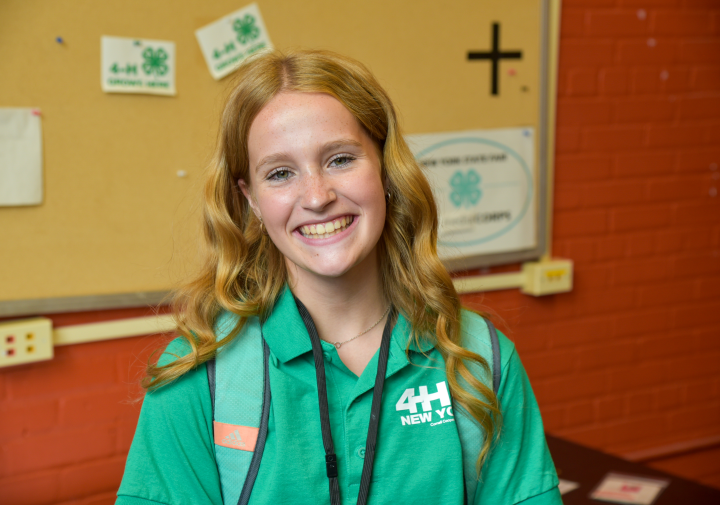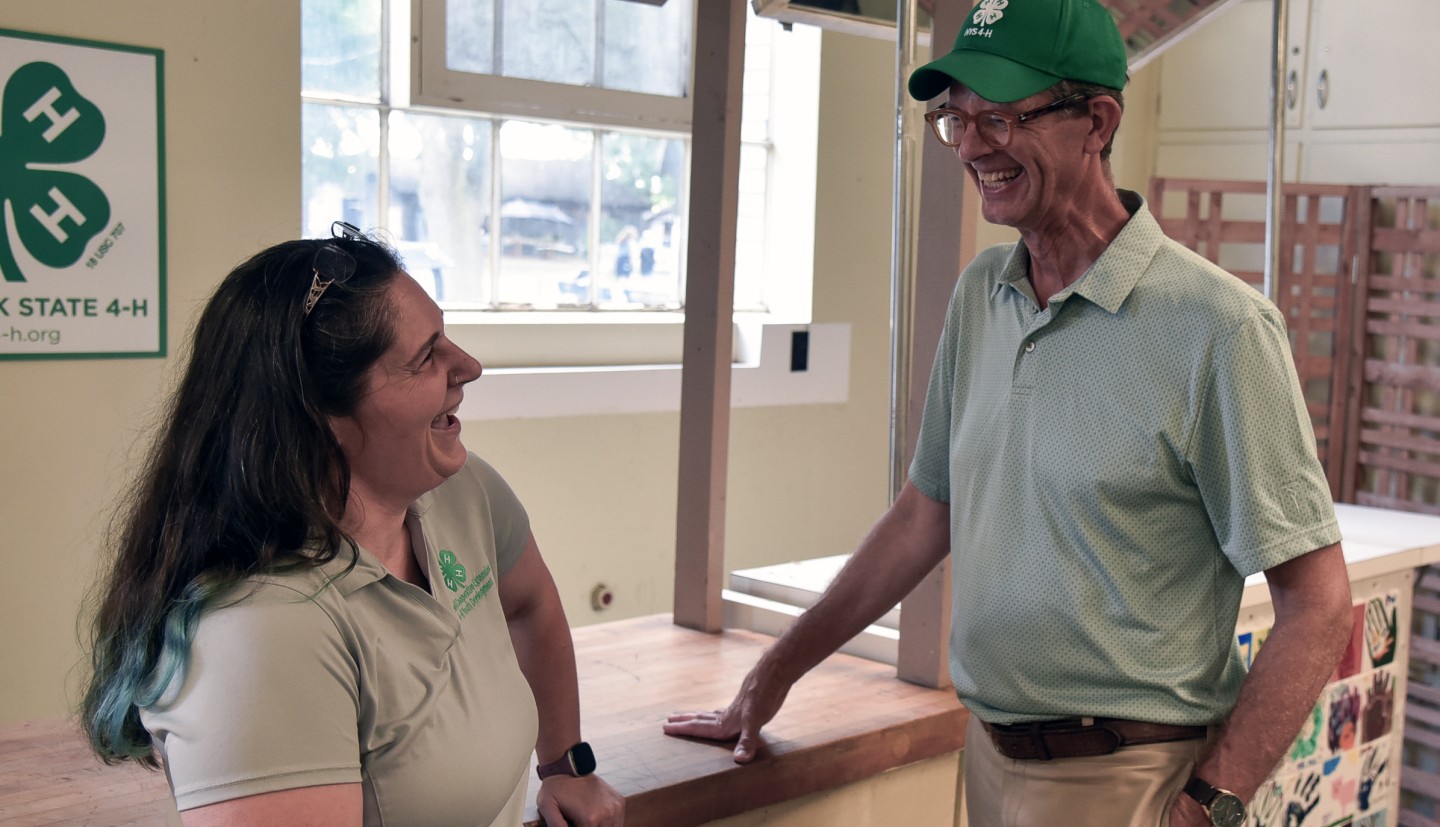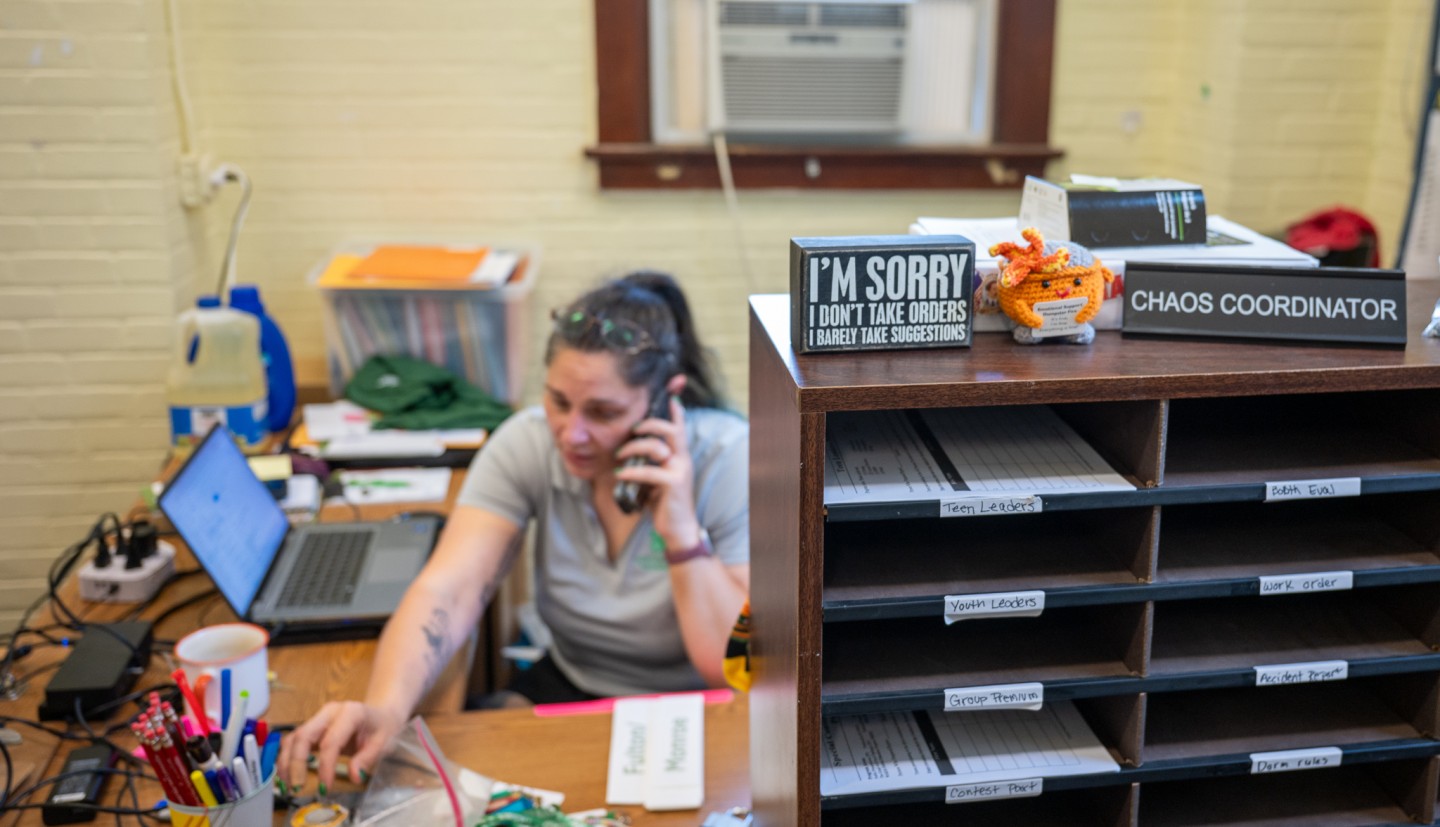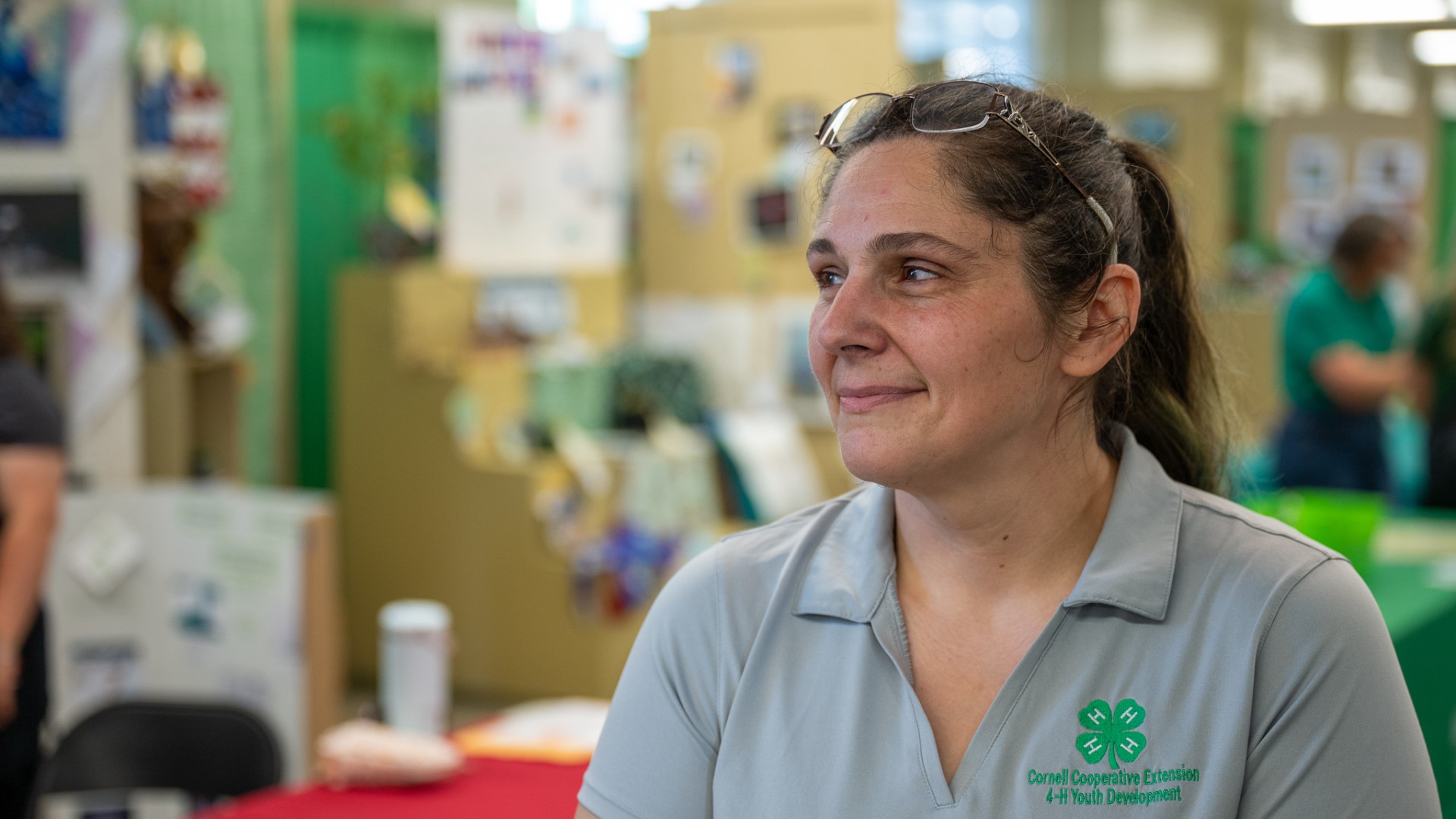
As an 8-year-old with a market turkey project, Autumn Lavine had no idea that 4-H would become her life's work. Now the 4-H New York State Fair and international exchange coordinator, Lavine has spent more than 20 years helping youth build confidence, develop skills and find their sense of belonging.
4-H New York State Fair and international exchange coordinator
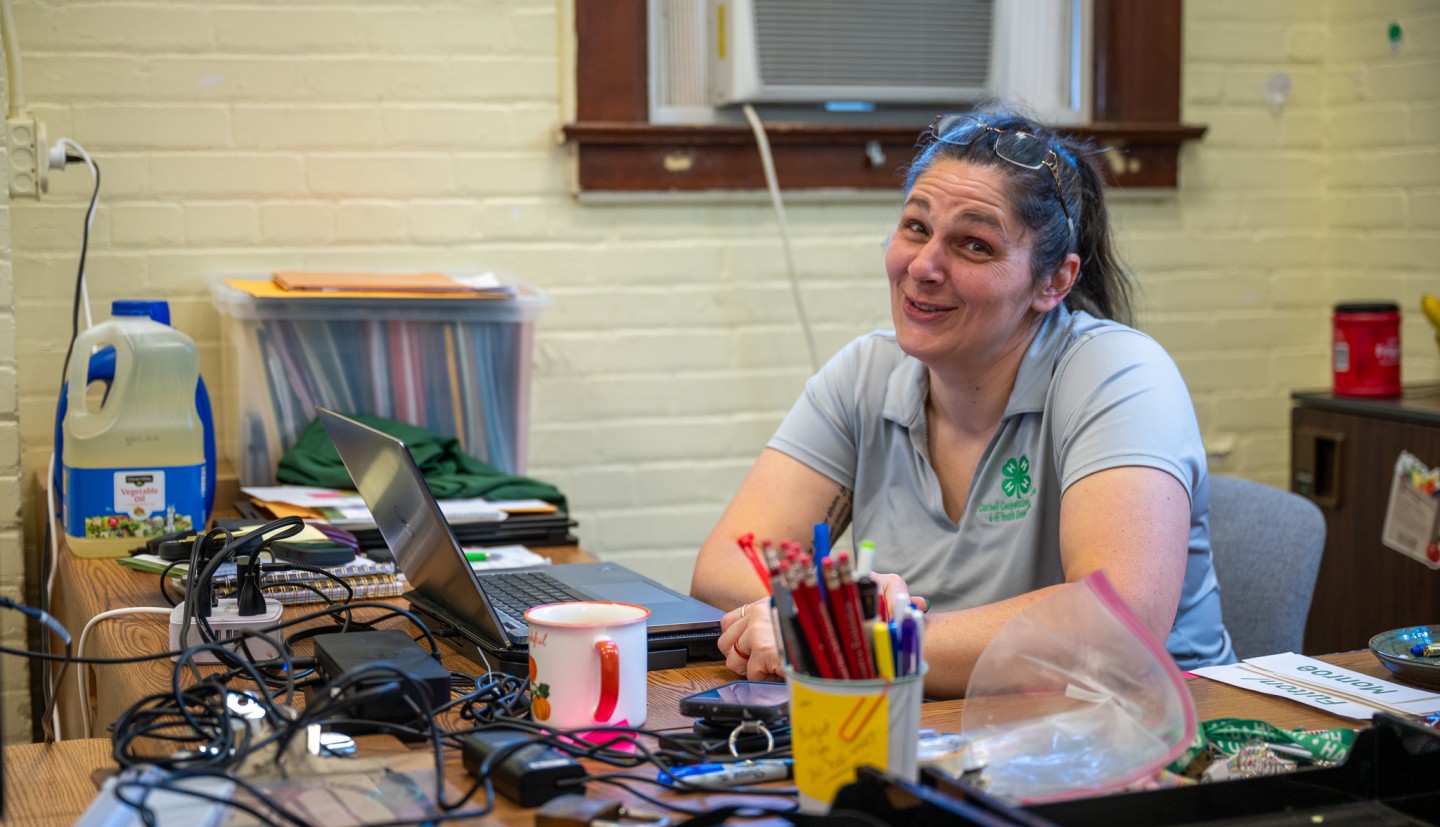
My life in 4-H
I'm a life member of 4-H, joining at age 8 with a market turkey project that became a major part of my life.
I earned a college degree in education, but after working in public schools, I wanted something more fulfilling. A part-time community educator position opened at my local Extension office in Tioga County, where I'd grown up in 4-H. I applied, got hired and fell in love with the broader Extension mission. I was soon promoted to resource educator.
An existing relationship between Tioga County 4-H and the state office opened the door to State Fair work. Andy Turner, current CCE director and former 4-H program leader, arranged for me to join the state office, focusing on fair coordination and partnerships. I later added international exchange programming to round out my role, which I never expected to love but came naturally.
Today, I proudly call myself a "fair rat." I love watching kids grow and return year after year. There are former 4-H members with families of their own who visit me at the fair to share memories of how 4-H shaped them. Making that kind of impact is what makes this work truly fulfilling.
The value of State Fair for youth development
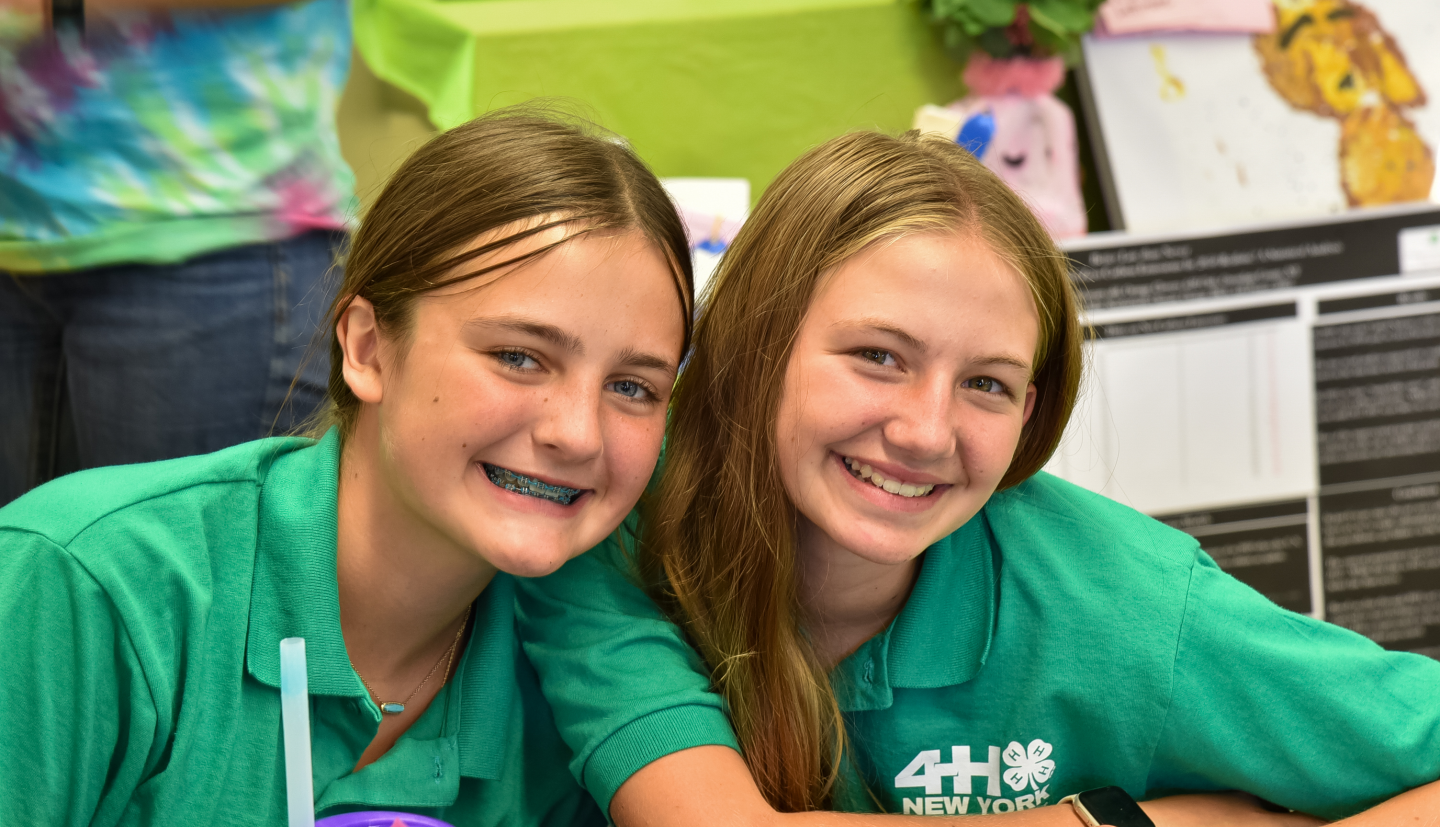
The New York State Fair offers kids many opportunities, and what I love most is that we meet them where they are. Because the programming is so varied, kids can find their own place, aligning with 4-H's core mission of belonging and connecting to something bigger than themselves.
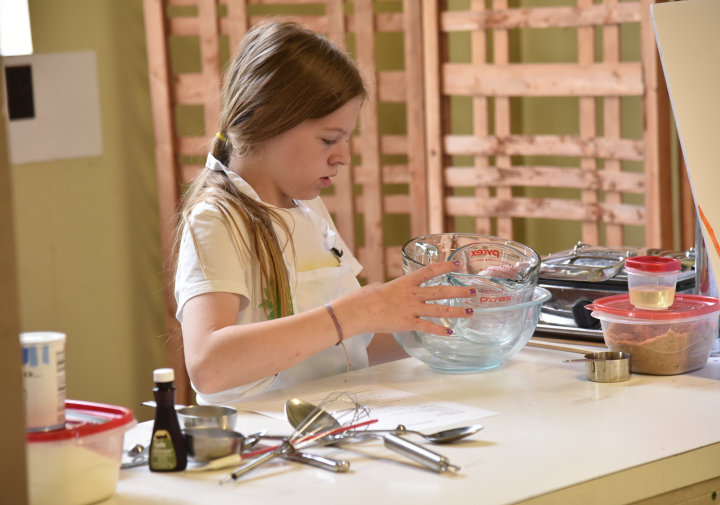
State Fair can start simply: A young person submits an exhibit for evaluation and receives constructive feedback to apply the following year. When they're ready, they can talk face-to-face with an evaluator, building confidence as they discuss their project. Since I mostly see these kids at State Fair, I get to watch them progress over the years, moving from written feedback to real conversations that build essential communication skills.
From there, they can become teen leaders, engaging with the public and sharing their 4-H story. That can lead to becoming a junior superintendent, taking on real responsibility for the daily operation of the 4-H Youth Building.
At that level, we treat it like a job-skills development program, holding daily staff meetings to reflect on what went well and what was challenging. It prepares them for jobs, college and other experiences where they'll collaborate with people from different backgrounds.
All of this happens in a safe space where adults are trained to focus on youth development and guide kids as they grow into capable young adults.
The 4-H difference
When people ask about the difference between 4-H and other youth organizations, the surface answer is that we're open to everyone. Our doors are open to any young person who wants to participate.
But the deeper answer lies in our connection to the university system. As part of Extension, we have access to land-grant universities that connect kids to areas they're passionate about and expose them to opportunities they may not have known were possible. That university connection is what truly sets 4-H apart, not just in New York but across the country. Every state has land-grant universities with 4-H programs that link young people to research, experts and resources that enhance their learning.
One of the beautifully complex things about 4-H is that it can be different for every child. That's also one of the hardest parts of explaining it. It depends on what a young person is looking for and what educators, parents and volunteers are willing to invest. Together, they create a rich, community-driven approach to youth education.
That's the key distinction: 4-H isn't just a program. It's a community working together to support the education and development of young people.
Mentors who shaped my path
When I first came to Extension and 4-H programming, Joanne Baldini was at the state 4-H office. We developed a strong professional relationship that grew into a genuine friendship. I remember sitting in my office in Tioga County thinking, "I want to do what Joanne does." I wanted to be at the State Fair, run the STAR program and work on career exploration. I loved watching how she interacted with kids and embodied the values of 4-H.
About three years into my role at the State Fair, I had an epiphany: I was finally doing what Joanne used to do. The role had evolved, as all jobs do, but I'd reached the place I'd admired for so long. I reached out to her and said, "Joanne, I'm finally where I wanted to be in Extension." She was probably my greatest influence.
Tom Davis, former 4-H coordinator for the New York State Fair, is another key figure. He's the person who said, "I think you'd be great at this State Fair role. I'd love to have you join me." He was the building coordinator, and I served as his assistant for several years, learning how to work with volunteers and educators, meet people's needs and navigate challenges. Tom taught me a great deal about relationships and how to work within systems.
The last person I always think about is Mike Duttweiler, former assistant director for program development at CCE. Early in my Extension career, I participated in leadership programs and worked closely with him. One lesson I still carry with me is what he called the "golden spike": the idea that what we do today eventually connects to someone's future. We may never see that golden spike ourselves, but it exists. It's a reminder that our work matters, shaping who young people become and how they show up in their communities.
Keep Exploring
Field Note
- Animal Science
News
- PRO-DAIRY
- Animal Science
- Microbial biology
We openly share valuable knowledge.
Sign up for more insights, discoveries and solutions.