Relevance
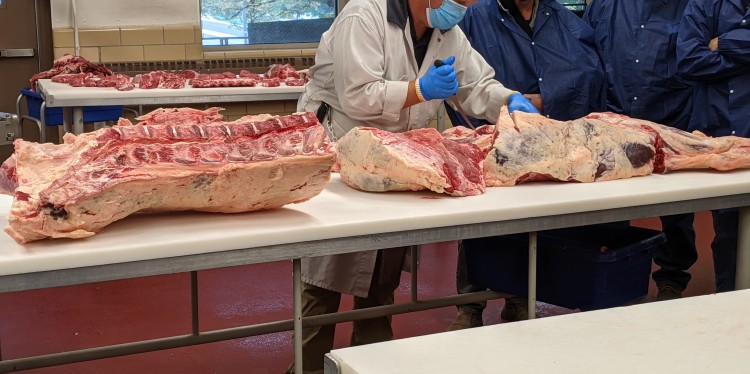
New York State livestock producers face limited access to meat processing in part due to a shortage of trained butchers. Farms often encounter processing waitlists of 12 months or more and therefore must schedule slaughter dates before animals are born, creating production and financial challenges. Livestock do not mature on fixed timelines, making it difficult to meet scheduled processing dates and maintain a consistent, quality finish on their animals. Additionally, many farmers travel up to two hours to reach processing facilities, expending time and money while subjecting the livestock to more stress than necessary. While there has been financial support available to expand and open livestock processing facilities, the aging, small, skilled butcher workforce is overwhelmed with demand and stretched too thin. As a result, there is a trend towards facilities limiting the number of animals they accept, moving towards value-added products and away from custom butchering, and/or moving towards processing their own animals exclusively, which limits the butcher slot availability for farmers across the state. Expanding the skilled workforce is critical to improving processing capacity, farm profitability, and supply chain efficiency.