Back

Discover CALS

See how our current work and research is bringing new thinking and new solutions to some of today's biggest challenges.

Share
  • Agriculture
  • Communication
  • Global Development

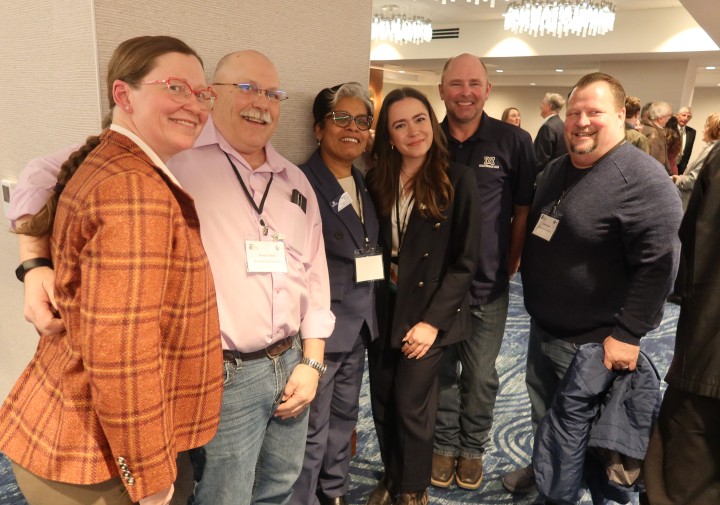
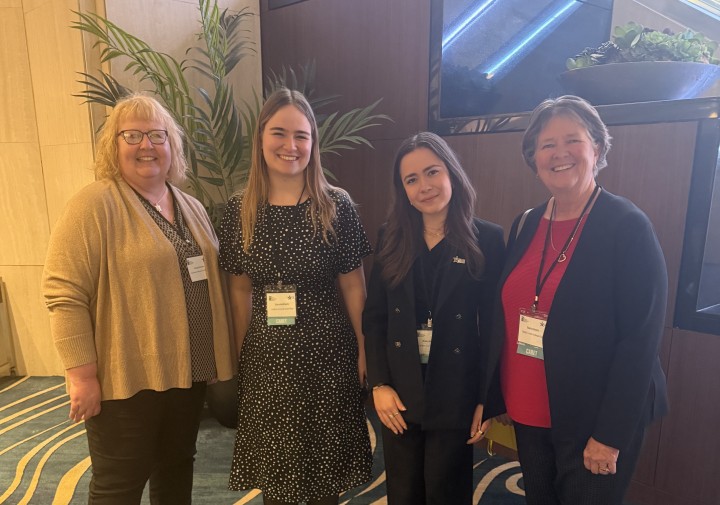
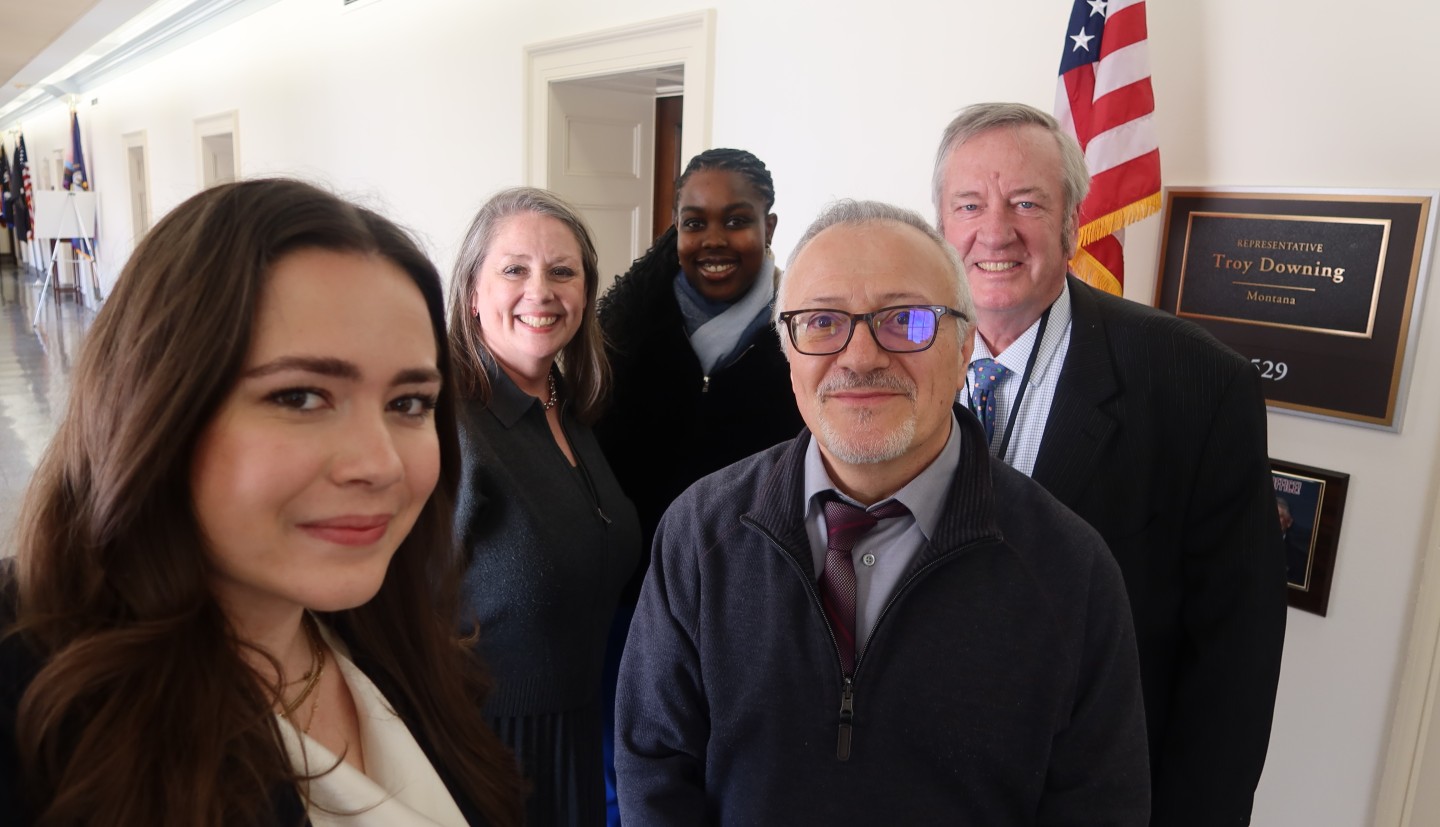
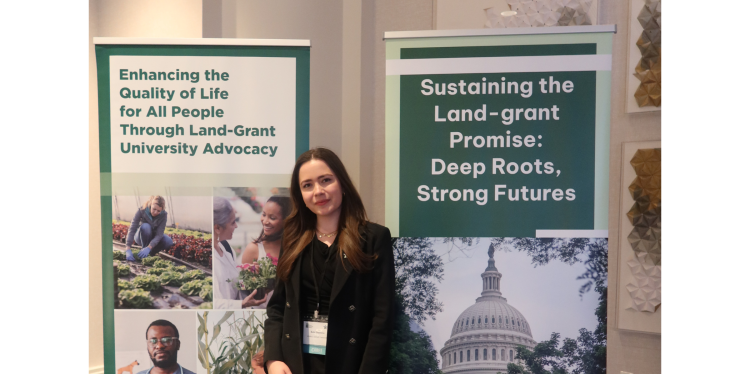
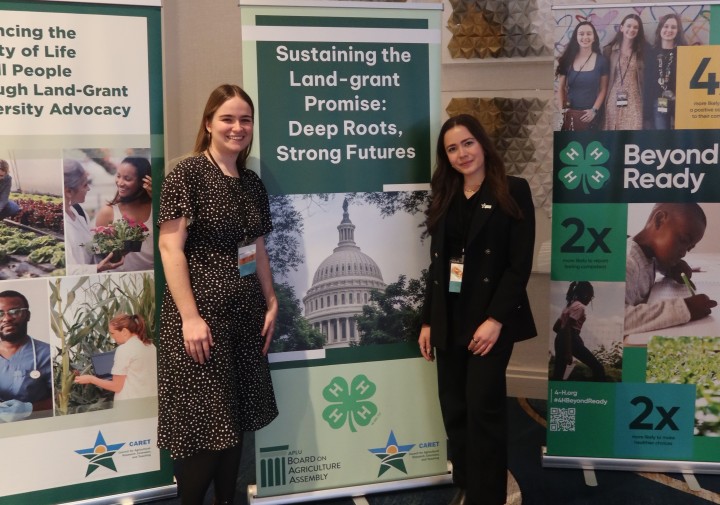
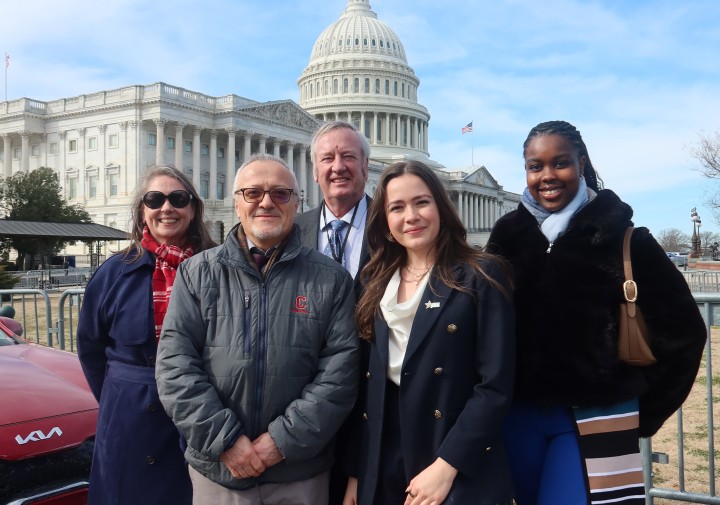
Kate Stephens ’26, a CALS senior from north-central Montana studying global development and communication, was selected as a student delegate for the Council for Agricultural Research, Extension and Teaching (CARET) conference held in Washington, D.C. in February. Here, she shares her experience representing Cornell’s land-grant mission on a national stage and her continued passion for strengthening communication among farmers, consumers and policymakers.

How did you become a New York CARET delegate? Did you have any prior advocacy experience? 

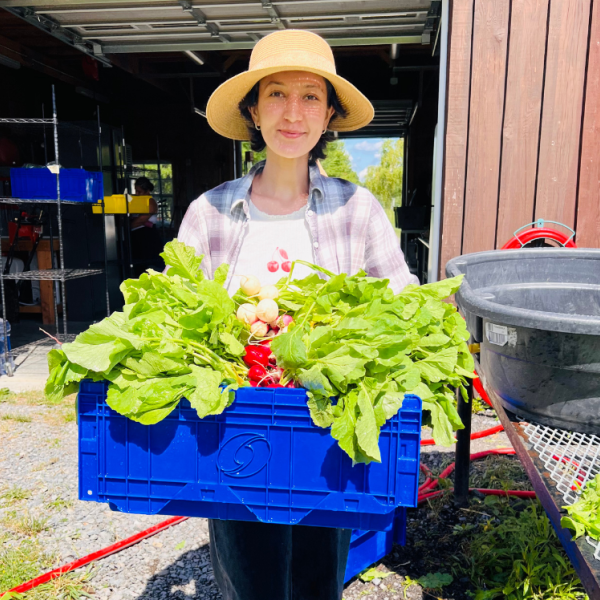
Growing up on a wheat farm in Montana gave me a firsthand perspective on the challenges farmers face and sparked my interest in agricultural policy and advocacy. That interest led me to work with Farmers Union, including traveling to Capitol Hill to advocate for policies that support farmers and rural communities. It also inspired me to create Kate’s Ag, a platform dedicated to educating people about where their food comes from while amplifying farmers’ voices. 

Becoming a CARET delegate through Cornell felt like a natural next step. It deepened my understanding of how land-grant universities support farmers through research, extension and education, and how critical they are in advancing the future of American agriculture.
What does being a NY CARET Delegate mean to you? 

Being a NY CARET Delegate meant having the opportunity to represent the importance of agricultural research and education at a national level. Personally, it was meaningful because agriculture has always been central to my life growing up on a wheat farm, and it reinforced how important it is for farmers and rural communities to have a voice in policy discussions. Professionally, it helped me better understand the role land-grant universities play in advancing agricultural innovation and supporting the future of the industry. I was especially excited to engage with leaders across agriculture and learn how advocacy helps ensure continued investment in research, education, and extension programs that directly benefit farmers and communities.

What were your key takeaways from the conference? How did the experience influence your academic or career goals? 

One of my biggest takeaways from the conference was seeing how many different parts of the agricultural community work together to support the future of the industry. It was valuable to hear directly from agricultural leaders, researchers, and policymakers about the challenges and opportunities facing agriculture today. The experience also highlighted how important advocacy is in ensuring agriculture remains a priority in national conversations. It strengthened my interest in pursuing a career that connects agriculture, policy, and global food systems, and in helping ensure that farmers’ perspectives are represented in the decisions shaping the future of the industry.

What advice would you give to students interested in becoming a CARET Delegate or getting more involved in agricultural advocacy? 

My biggest advice would be to stay curious and get involved early. Agricultural advocacy may seem intimidating at first, but it really begins with learning how policies affect farmers, research, and rural communities. Talk to people in the industry, take classes related to agriculture or policy, and look for opportunities to engage with organizations that support agriculture. Programs like CARET are a great way to see how research, education, and advocacy all work together to strengthen the future of the industry. For students interested in agriculture, it’s important to remember that your voice and perspective matter, especially when it comes to representing the needs of farmers and rural communities.

What challenges or problems in your field inspire you, and how do you hope to contribute to solving them?  

One challenge that inspires me is the growing disconnect between the public and where their food and fiber come from. As fewer people have direct connections to agriculture, it can lead to misunderstandings about farming practices and the realities farmers face. Growing up on a farm, I’ve seen how much care and responsibility go into producing food, and I’m passionate about helping share that perspective with a broader audience. I also care deeply about helping bring the next generation into agriculture and ensuring women are represented and supported in the industry. I hope to contribute by strengthening communication between farmers, consumers, and policymakers so that conversations about the future of agriculture reflect the experiences of the people who produce our food.

Keep Exploring

Illustration of three piles of manure with a photo of a gardener with soil in their hands

News

Waste could fulfill 102% of nitrogen and 50% of phosphorus needs for the nation’s agriculture, and significant amounts could be distributed locally and sustainably.

  • Ashley School of Global Development and the Environment
  • Global Development Section
  • School of Integrative Plant Science
Zachariah Hansen landscape

Spotlight

Academic focus: Vegetable pathology Research summary: My applied vegetable pathology research program is aimed at improving disease management for important vegetable crops in New York state. Topics include fungicide resistance screening and...
  • School of Integrative Plant Science
  • Plant Pathology and Plant-Microbe Biology Section
  • Agriculture