Executive Director : Ulster County Cooperative Extension
From international to local impacts
I’ve long been drawn to international learning, language and exchange, the lessons we learn about others and ourselves through these experiences. I’m trilingual in Spanish and French, having lived in both Argentina and France. (I also studied Dutch and Arabic, which didn’t go as well). My career journey began as a residential case manager at the Latin American Youth Center in DC, working with unhoused mostly immigrant youth. There I uncovered my skill in working with youth and helping navigate conflict.
My journey continued by earning a MA in Intercultural Management at the School for International Training. I studied conflict transformation alongside peers from high‑conflict regions worldwide, learning mediation and dialogue skills. I applied my knowledge in NYC public schools, directing programs for under‑credited students in Washington Heights and a high‑conflict campus in Canarsie. I launched a peer‑mediation program that significantly reduced violence.
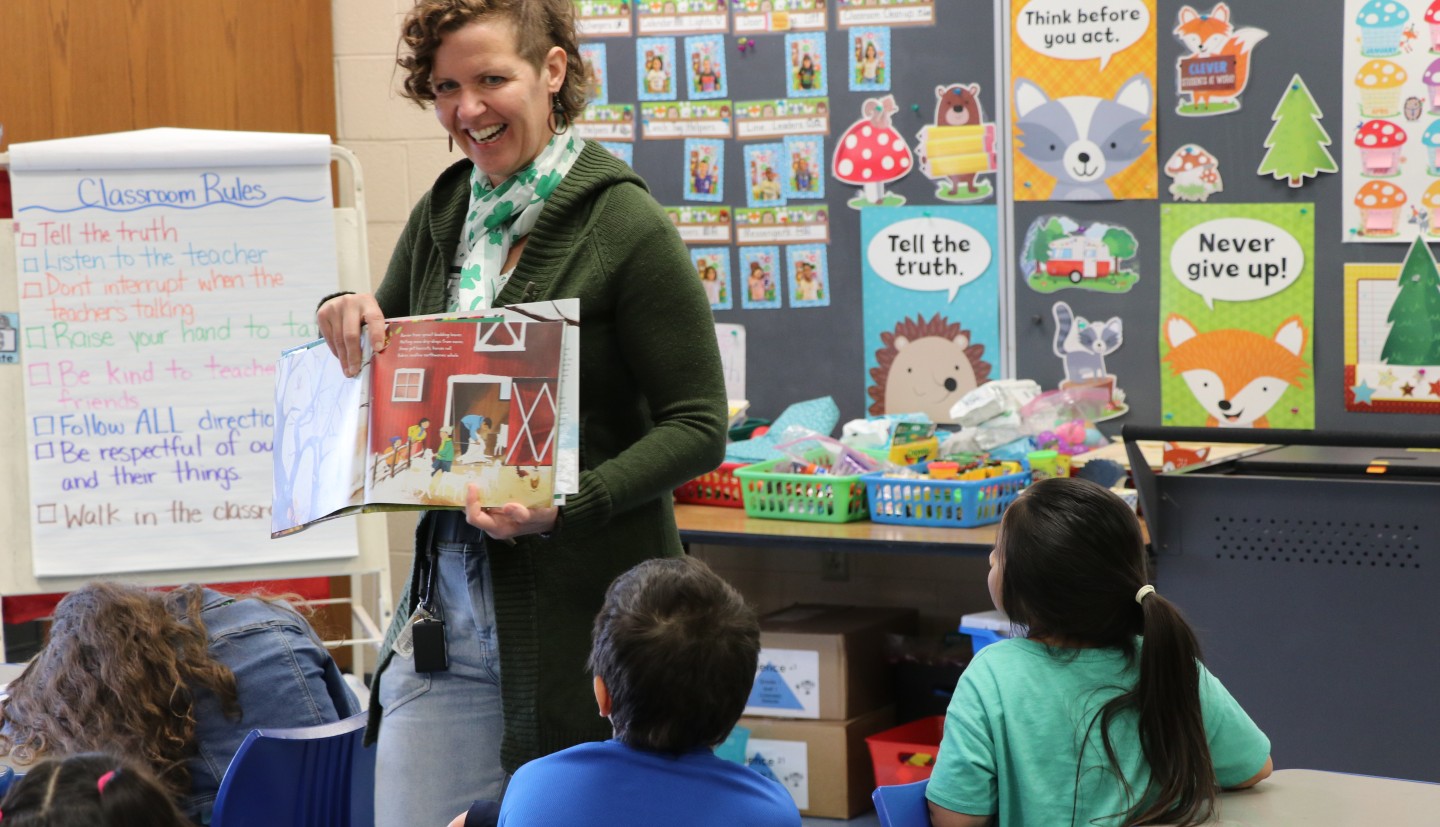
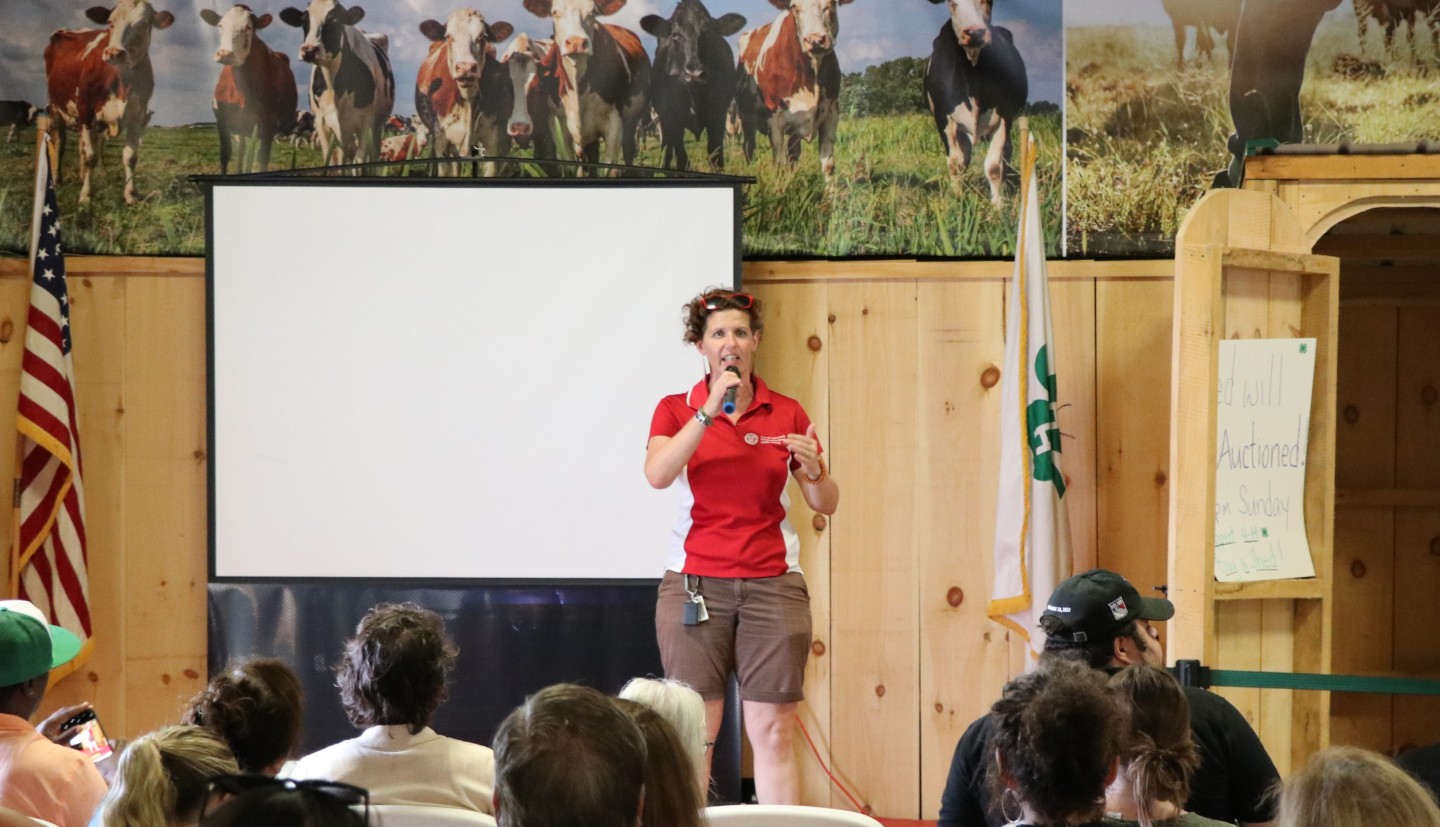
Craving nature, my wife, a talented filmmaker, and I moved north, where I joined CCE Ulster as the 4‑H Program Leader. I encountered wonderful Extension youth, staff, volunteers, real salt of the Earth folks. I also sometimes uncovered a (usually) unintentional culture of gate-keeping, an adherence to “the way things were”. My first year focused on setting norms for a respectful climate for youth and volunteers and introducing needed changes. During my tenure with some exceptional educators and interns, proud achievements include growing enrollment, kick-starting the Japanese youth exchange program in NY, and introducing and delivering the Tech Wizards mentoring and Rural Storytelling Programs.
I greatly value the opportunities I’ve had to meld international experience with Extension work. I was recruited to serve in USAID-funded Farmer-to-Farmer opportunities in the Dominican Republic, Nicaragua and Paraguay. One learning moment arrived as I observed a small fair in Nicaragua. The vendors were selling similar items in a communally oriented culture. This created an interesting challenge: how do you help people market their wares when competitiveness isn’t a value, so at odds with our individualistic American culture? What can we learn from each other? Cultural humility is easy with the warmth I’ve received, and the acknowledgment I learn more than I give.
Critical Extension Skills
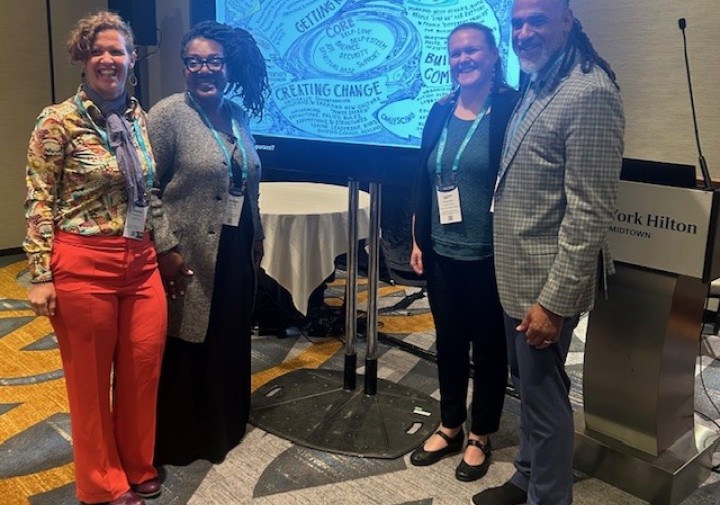
Innovation is key to Extension success, and the reason for our sesquicentennial+ existence. We must innovate, iterate, learn, deliver, and present our findings. I believe I hold the record for authoring and receiving four CCE Innovation project awards. These facilitated a Praxis Conference highlighting programs that effectively blend theory and practice, updated 4-H Volunteer Guides translated in Spanish, and the co-creation and delivery of the Act for Change (AfC) youth anti-racism initiative with Malinda Ware and other brilliant colleagues. AfC guides dialogue across differences through co-facilitated discussion with teens focused on inter-, intra- and system learning. We experienced Extension work at its finest when PRYDE student scholars at Cornell’s Bronfenbrenner Center chose AfC as a final project, facilitating a cohort and rigorously evaluating the program. They presented findings back to us that strengthened our model, highlighting the research-to-practice cycle intrinsic to Extension.
Change management is another critical leadership skill in Extension. In NYC public schools and Extension, I’ve weathered many changes that met initial resistance. I equally value stories to quantitative outcomes. I explain the rationale for change in ways people can follow. I’ve learned to pace change by inviting stakeholders with differing perspectives into the process and asking for their input, which helps me identify my own blind spots.
Stepping into Association leadership
I sought the role of Executive Director because we needed strong relational leadership for our innovative staff and volunteers. I remind myself to stay grounded in our programs and research to offset a challenging role that can be bureaucratic and thankless. I know I’ve made the right choice when I attend the programs our hard-working, gifted CCE Ulster staff lead and support.
Mentors
A politically savvy, inspiring supervisor supported me and recognized my abilities. This mattered as a manager in my mid-20s, supervising people many years my senior. Throughout my career, I’ve navigated negative perceptions based on gender, age, and other identity stereotypes. I’m inspired by the many friends and colleagues who experience more significant headwinds and lead with grace and moxie.
At Extension, I appreciate the colleagues who share, experiment and bridge academia. I’ve paid that forward through serving in state and national leadership roles and mentoring committees to forge truly inclusive translational spaces. I'm inspired by moments of synergy and connection that guide me towards what to improve and who to learn from. I seek inspiring work and invite inspiring people into conversation—they're usually willing to share.
Impacts
Extension must be a bidirectional street where all community members benefit from Cornell's vast resources and brilliant people, where community leaders help formulate research questions, not just participate in research studies. Let’s identify what's knowable, shareable, and applicable about our good work, what community problems we need help solving, and who on campus wants to be authentic partners.
We occupy a unique place as a sub-governmental entity to bridge the knowledge of communities, campus and government, and earn the trust we’re afforded. Research and practice need translation; Extension staff are the translators.
Keep Exploring
News
- Cornell Cooperative Extension
- PRO-DAIRY
- Animal Science
Field Note
- Liberty Hyde Bailey Hortorium
- School of Integrative Plant Science
- Plant Biology Section
We openly share valuable knowledge.
Sign up for more insights, discoveries and solutions.