Back

Discover CALS

See how our current work and research is bringing new thinking and new solutions to some of today's biggest challenges.

4-H Volunteer, Jefferson County

Share
  • Cornell Cooperative Extension

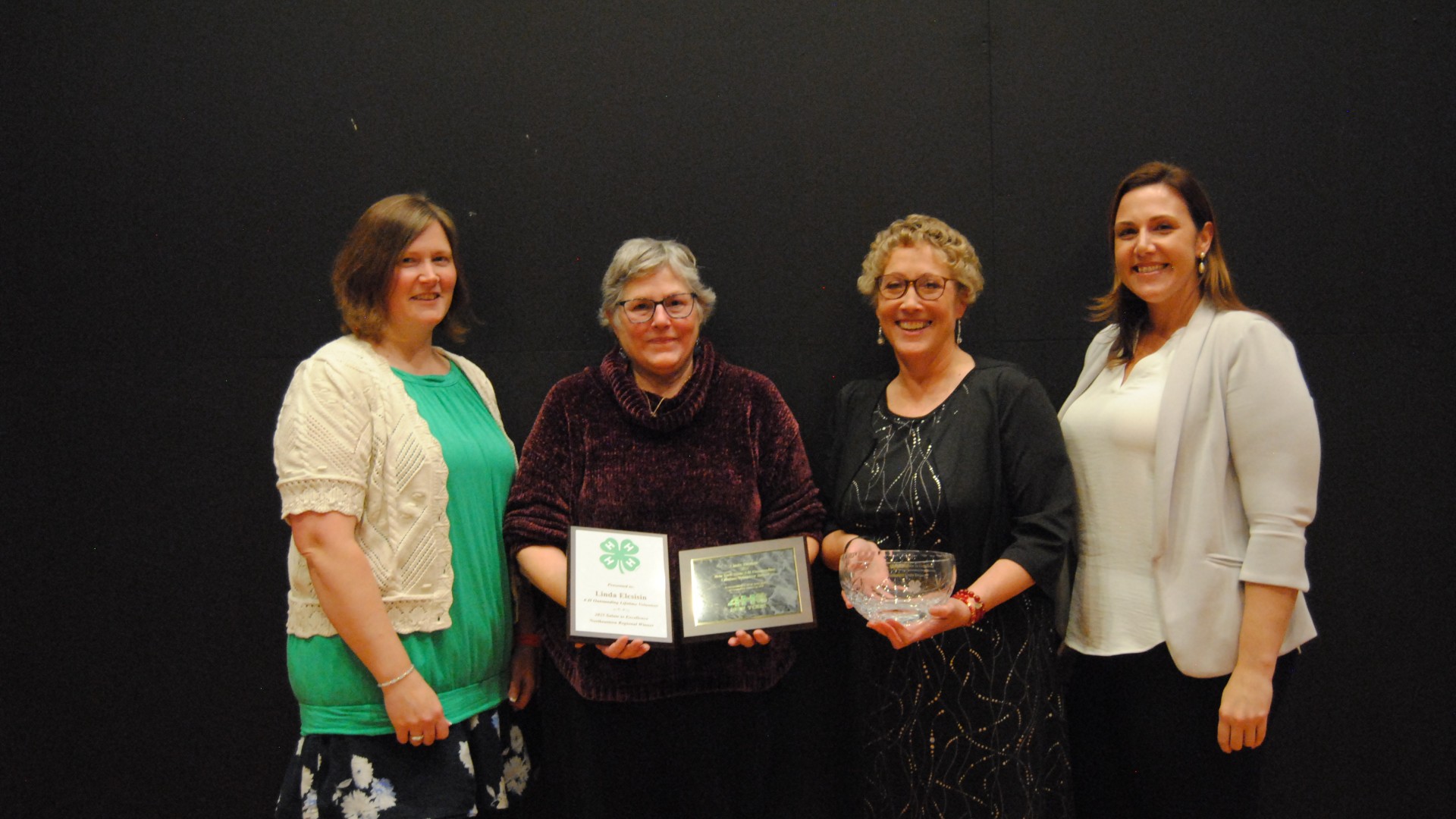
Linda Elcsisin, a veteran youth educator and 4-H volunteer with Cornell Cooperative Extension (CCE) Jefferson County, has been named a 2025 National and Northeastern Region Outstanding Lifetime Volunteer. Since 2004, Elcsisin has played a key role in delivering hands-on educational programming, drawing on a 32-year career in family and consumer sciences to support skill development, mentorship and community engagement among young people.

Throughout her tenure, Elcsisin has led multiple 4-H clubs and contributed to collaborative initiatives that extend beyond traditional programming. Her work emphasizes experiential learning, particularly in sewing and life skills, while also incorporating service projects and partnerships that connect youth with their communities. In retirement, she continues to expand access to these opportunities, adapting programs to meet evolving needs and schedules of families.
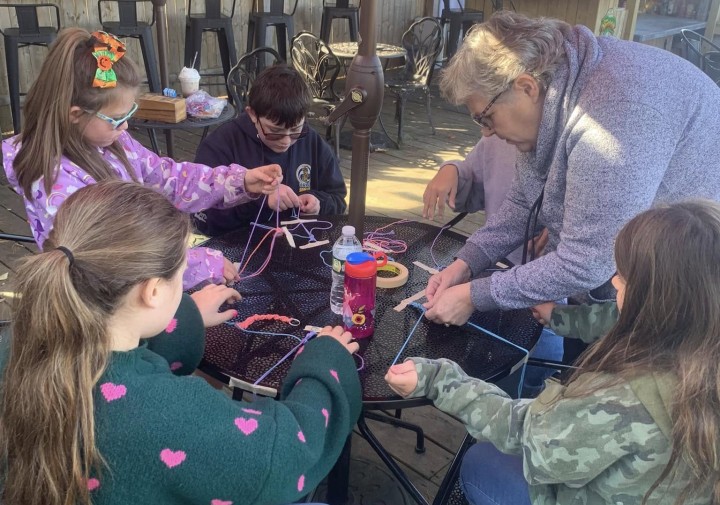
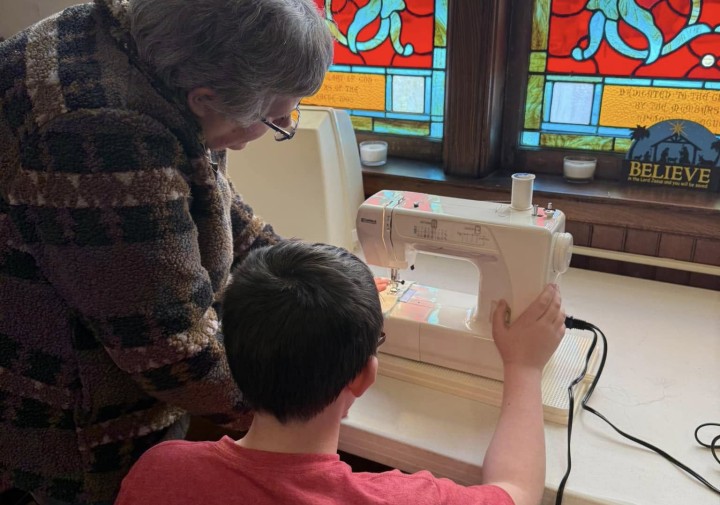
Elcsisin’s 4-H story starts with her mother who belonged to a 4-H club focused on sewing and cooking, recalling the “home bureau” projects of an earlier era. Her mother was an exceptional seamstress and passed that skill to Linda and her sister. As a girl, Elcsisin followed her mother into 4-H, then into a career teaching sewing, cooking, and other life skills to high school students.

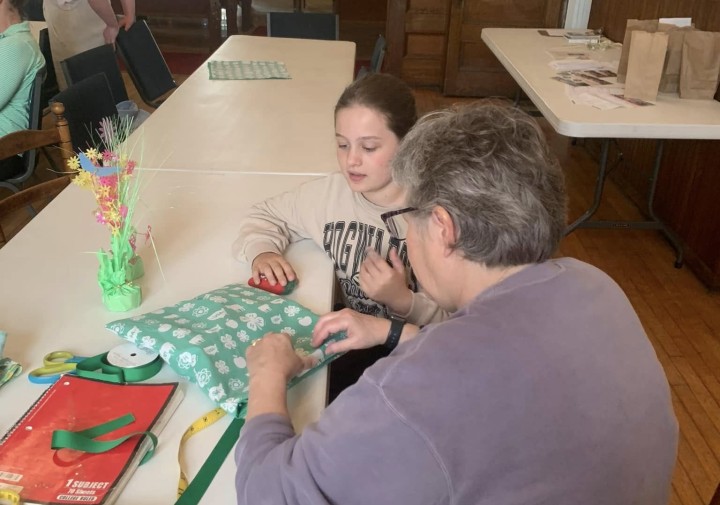
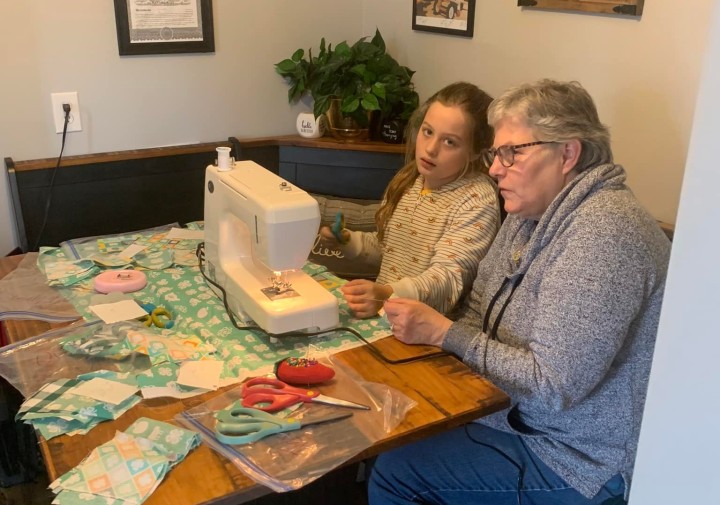
When her oldest reached 4-H age, Elcsisin found all nearby clubswere full. Leveraging her Cooperative Extension ties, she followed the advice to start one herself. It began with nieces and nephews, then her kids’ friends and cousins. As members aged out, she partnered with other leaders, taught sewing to a friend’s club after school, and eventually launched a second. Today, her Timeless Textiles club thrives, capped at 10 for individual attention. Parents drop off kids off, go grab a coffee or take a walk, and return to kids delighted with what they made.

These clubs have always reached beyond the sewing room. Elcsisin folds in food projects and demonstrations. Community service is a constant: the club kids have marched in the Christmas parade, collected donations at Tractor Supply’s 4-H events, read aloud to a 95-year-old neighbor who was blind, and sewn soft caps for people undergoing cancer treatment. “If someone called and said, ‘We need help with a dinner,’ we’d show up,” Elcsisin says. “I had a van—I’d fill it with kids, and we’d go.”

What makes a good volunteer leader?

You have to be willing to do whatever needs doing,” Elcsisin says. She’s shown up at a radio station at five in the morning to promote a youth program, knocked on doors for donations, and said yes when a former student asked for help with a big idea: a free bike program that gets kids outside. 

Adventure team

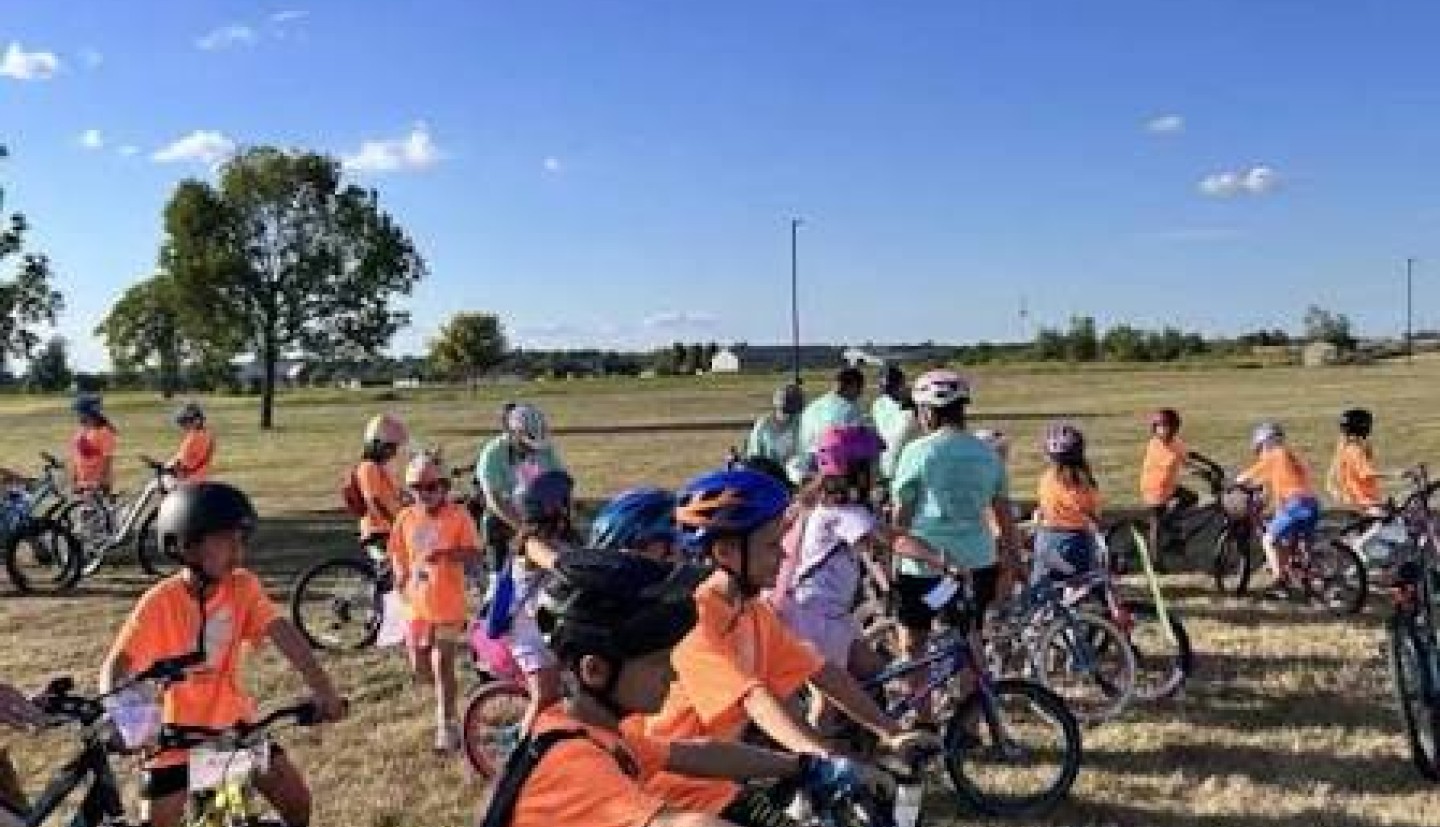
That project, now in its third year, is called the Adventure Team. It runs seven weeks in summer and after school during the year. Kids arrive with bikes and helmets for a quick bike check, then head out in groups of six to eight with two adult coaches. They ride local roads and trails, stop for water or ice cream at supportive businesses, and return sweaty, muddy, and beaming. “It is the coolest thing to see 50 kids on bikes,” Elcsisin says. “They come back tired, sometimes muddy, and happy.”

While Adventure Team isn’t officially a 4-H program, Elcsisin brought it to Cooperative Extension’s Youth Advisory Board, and several Extension and 4-H staff now coach or support it. Helmets were donated. More volunteers got involved. One former participant is returning as a junior assistant coach. It’s a model of how an idea born in a small town can grow with community collaboration and how one volunteer’s network can help kids fall in love with the outdoors.

Challenges

Her biggest challenges these days aren't supplies or curriculum, it’s schedules. Kids are involved in everything, and families are stretched. Timeless Textiles meets on Sundays to dodge weeknight workouts and games, but even Sundays can be crowded with commitments. “The kids love 4-H,” Elcsisin says. “They want to be there. It’s just hard to find the time.” She’s quick to note that kids have always been busy; she grew up doing school musicals and plays. But she thinks today’s pace leaves less breathing room.

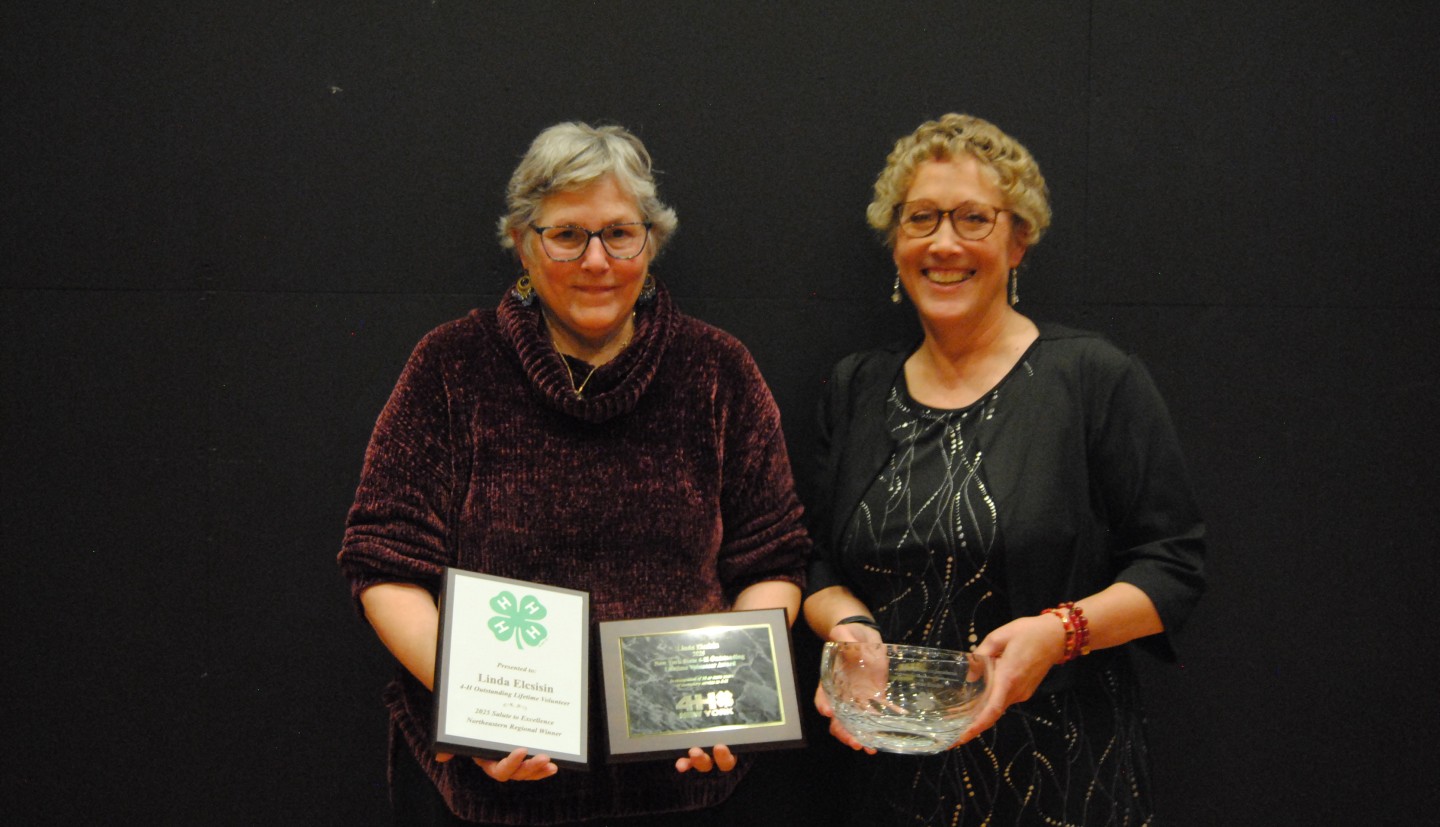
Winning the 4-H National Outstanding Lifetime Volunteer Award.

For all her impact, formal recognition makes Elcsisin uncomfortable. She recently received the 4-H National Outstanding Lifetime Volunteer Award, but she almost didn’t attend the ceremony. 

“I was totally embarrassed,” she admits. “That’s not me. I like to fly under the radar.” 

Still, she felt honored, and after a knee replacement last spring, the congratulations were a bright spot. But she’s happiest back in the sewing room, setting up machines, demonstrating a stitch, or watching kids discover the joy of making something they can wear or gift.

Why she keeps volunteering, she laughs. “People think retirement means sleeping in. Not for me.” 

Her husband asks each morning what’s on the agenda. The answer might be a club meeting, an advisory board call, church programming, or an Adventure Team planning session. Or it might be something quieter: threading a needle beside her mother, passing on a skill that has held three generations together.

In a fast, frenetic era, Elcsisin’s work offers a simple hook: real people doing real things, together. That’s the heart of 4-H she wants families to see. “They come because they’re excited to make something,” she says. “They leave proud. And for a couple of hours, they’re off their phones, they’re outside, or they’re sewing—and they’re part of a community. That’s what matters.”

Keep Exploring

COMM UPDATES from the Department of Communication

News

April 15, 2026 Conferences Graduate student Rosie Nguyen presented a talk titled “Imaginaries of Vietnam: Dominant Narratives and Marginal Voices” at the Trans-Asia Graduate Student Conference at the University of Wisconsin–Madison. In her...
Illustration of three piles of manure with a photo of a gardener with soil in their hands

News

Waste could fulfill 102% of nitrogen and 50% of phosphorus needs for the nation’s agriculture, and significant amounts could be distributed locally and sustainably.

  • Ashley School of Global Development and the Environment
  • Global Development Section
  • School of Integrative Plant Science