

Waste could fulfill 102% of nitrogen and 50% of phosphorus needs for the nation’s agriculture, and significant amounts could be distributed locally and sustainably.
Keep Exploring
News
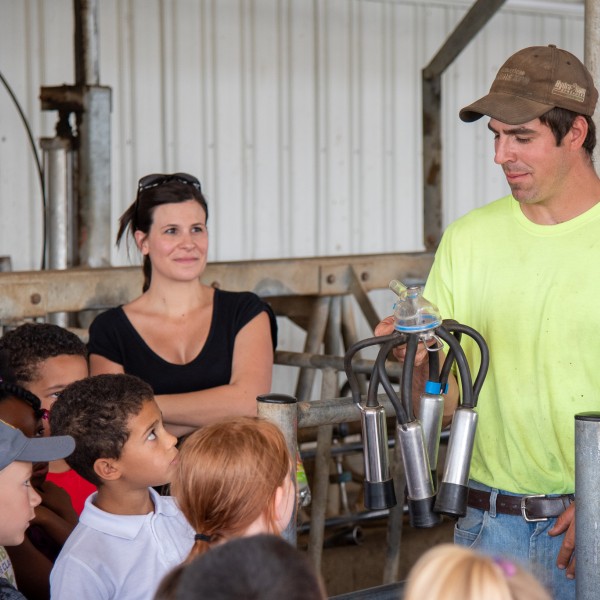
Cheryl Bilinski didn’t just change careers; she swapped a corporate paycheck for a mission to overhaul what lands on a child's lunch tray. As an agricultural economic development specialist with Cornell Cooperative Extension’s (CCE) Harvest New...
News
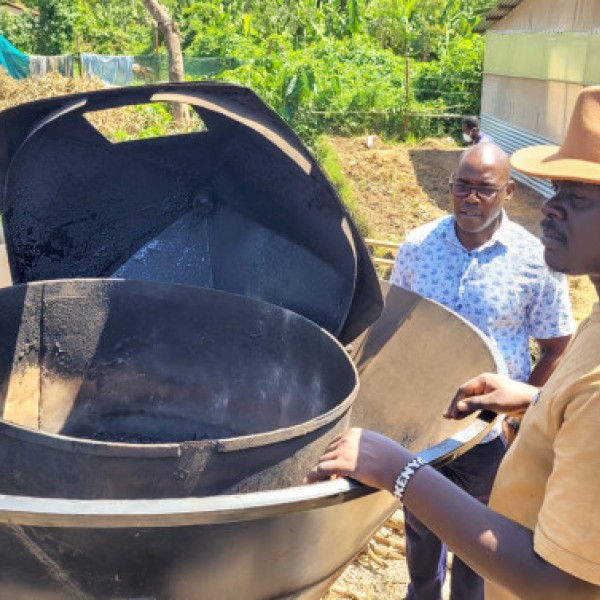
Cornell researchers and Kenyan partners have developed a fertilizer made from human excreta. The product improves soil health and food production, while preventing pollution in informal settlements and the aquatic environment.

We openly share valuable knowledge.
Sign up for more insights, discoveries and solutions.
Please enter a valid email address to subscribe to the newsletter.