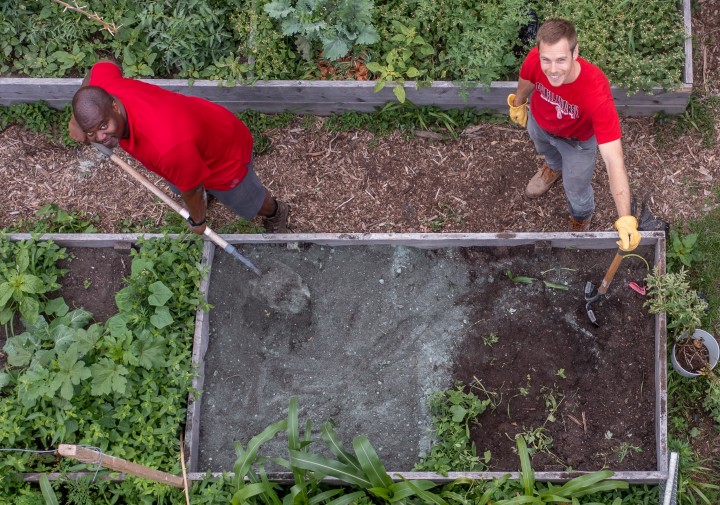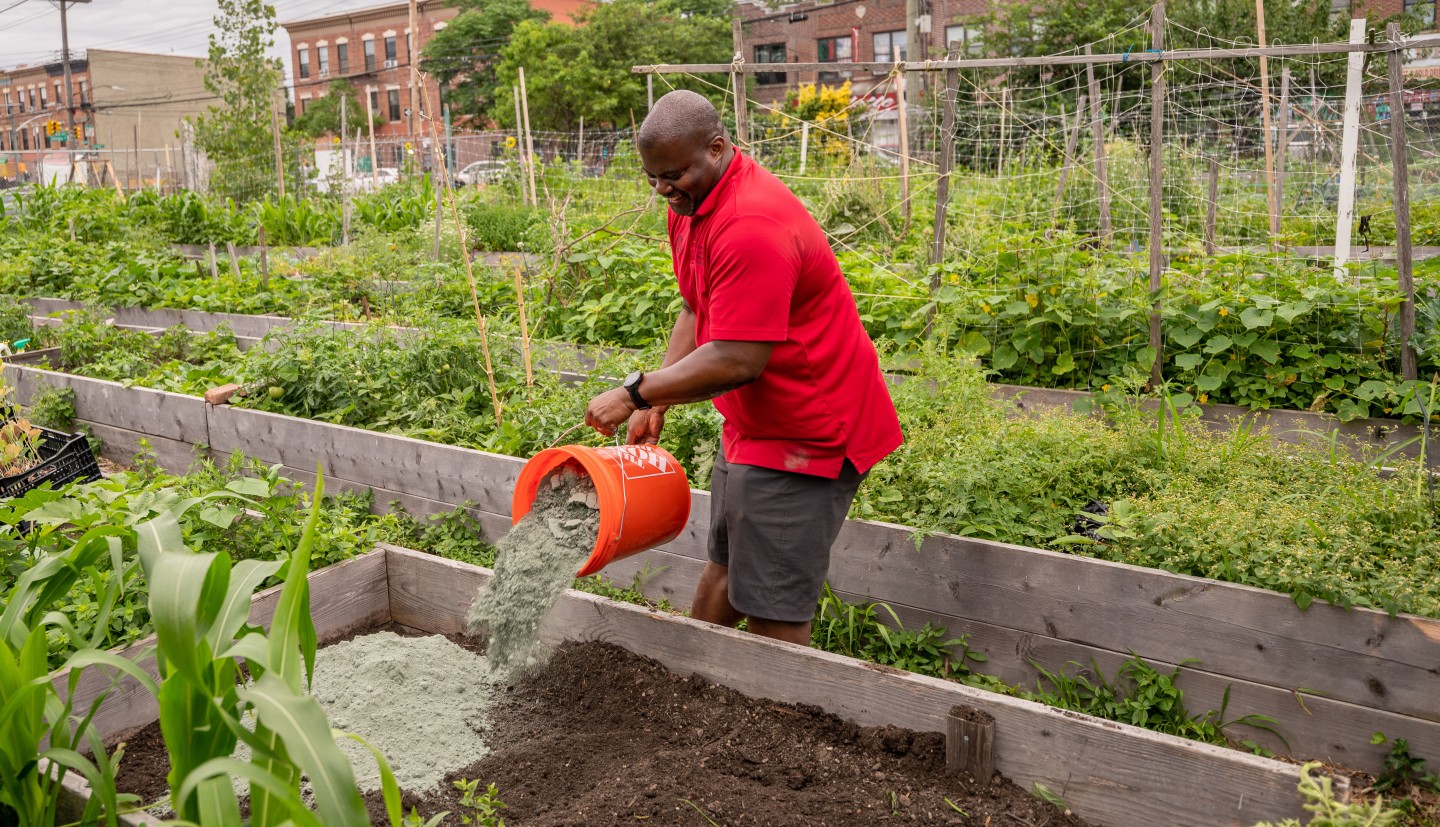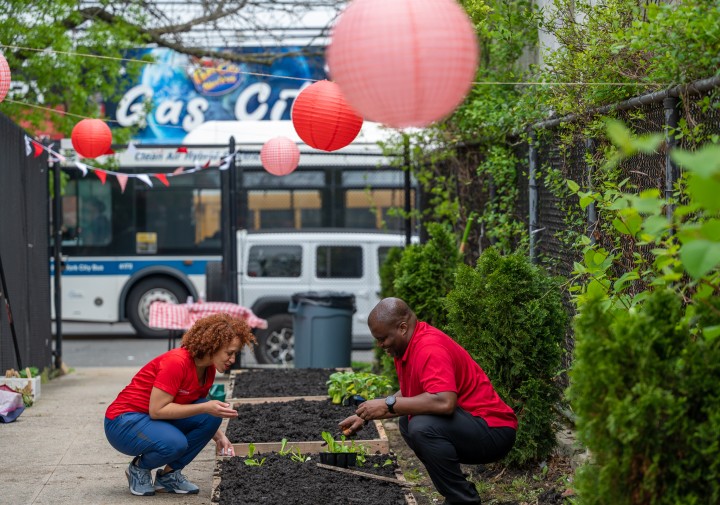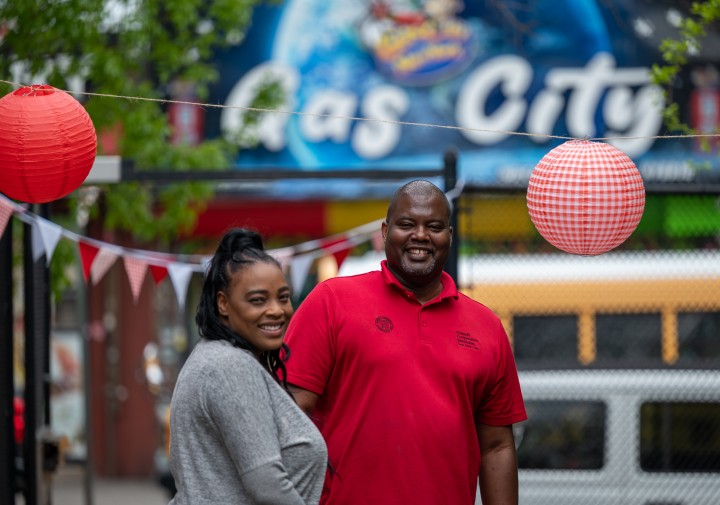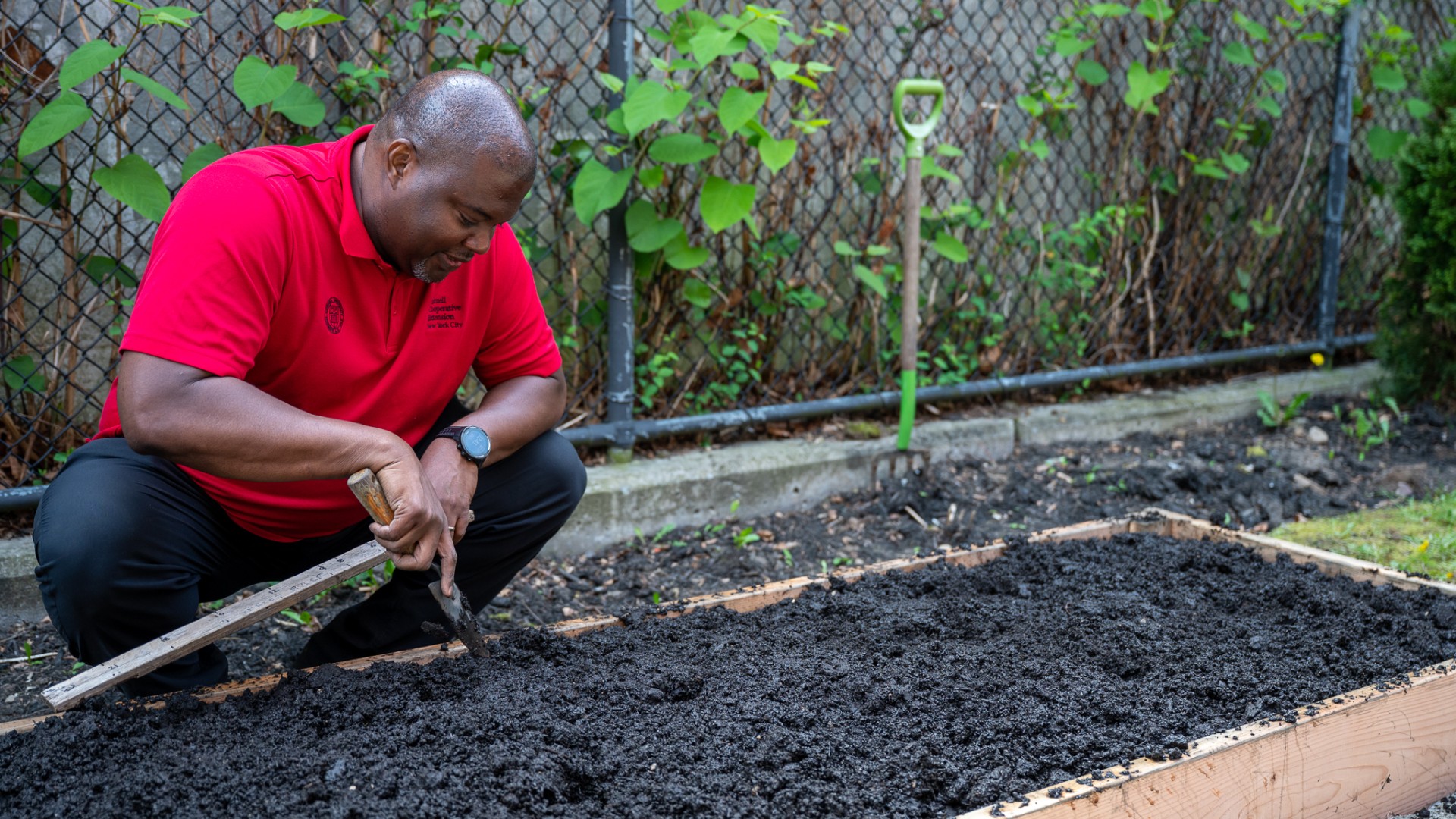
Kwesi Joseph, urban garden specialist with Cornell Cooperative Extension’s (CCE) Harvest New York program, turned his passion for gardening, composting, and the transformative power of healthy soil into a path to community leadership. Through years of experimentation and learning, he became a master composter and an advocate for food justice and sustainable design. His extension work in New York City bridges agriculture, education, architecture, and policy, planting seeds of change that will flourish long after his own hands leave the soil.
Urban Garden Specialist
From Novice Gardener to Master Composter
I started gardening on my own in 2011 without knowing what I was doing. I was living in Brooklyn and went to a community garden a couple blocks away and began peppering the garden manager with questions. She was very informative, but since it was March/April and she was getting her garden started, she told me I'd need to learn myself through reading and experimentation.
Fortunately, I had a backyard where I could experiment through trial and error, and there was more error than anything else! I also became a master composter at Brooklyn Botanic Garden. After completing that program, Yonnette Fleming (Farmer Yon), the garden manager at Hattie Carthan Community Garden, allowed me to become their compost manager for six years.
From Compost to Food Justice: Discovering Natural Farming and Soil Health
Beyond composting, I became part of the Food Justice Collective at Hattie Carthan and got involved in community activities. This educated me about topics I'd been ignorant about. I'd never cared about how food was grown before. I learned a lot from Farmer Yon, who gave me a different perspective than most gardeners have. She's a natural farmer who believes in the farm as pharmacy, meaning that farming is key to human health. Her practice goes beyond organic to "natural," which uses natural inputs.
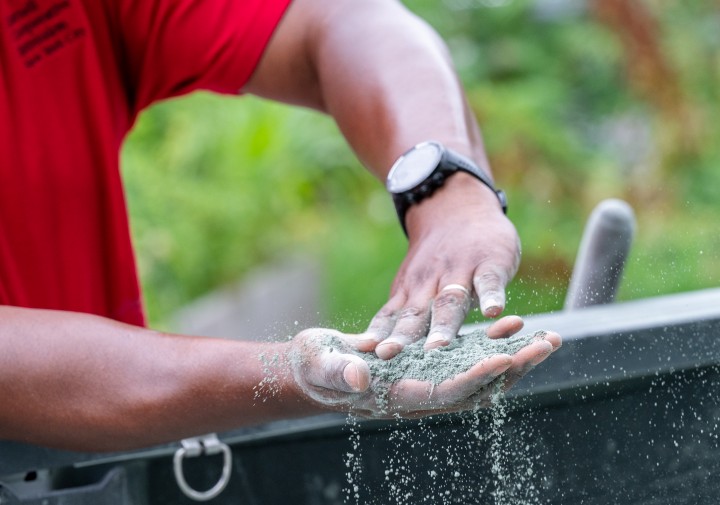
This motivated me to read extensively. I had my soil tested by Cornell and discovered I was depleting certain elements in my soil. I read blogs and took a Montessori-like approach to learning, diving deep into areas that interested me. That is when I read about someone using rock dust as a soil amendment for trace elements. When I took the master composter course, I found that most people didn't know about the techniques I was experimenting with.
Shaping the Future: Inspiring Designers and Policymakers to Prioritize Gardens and Soil Health
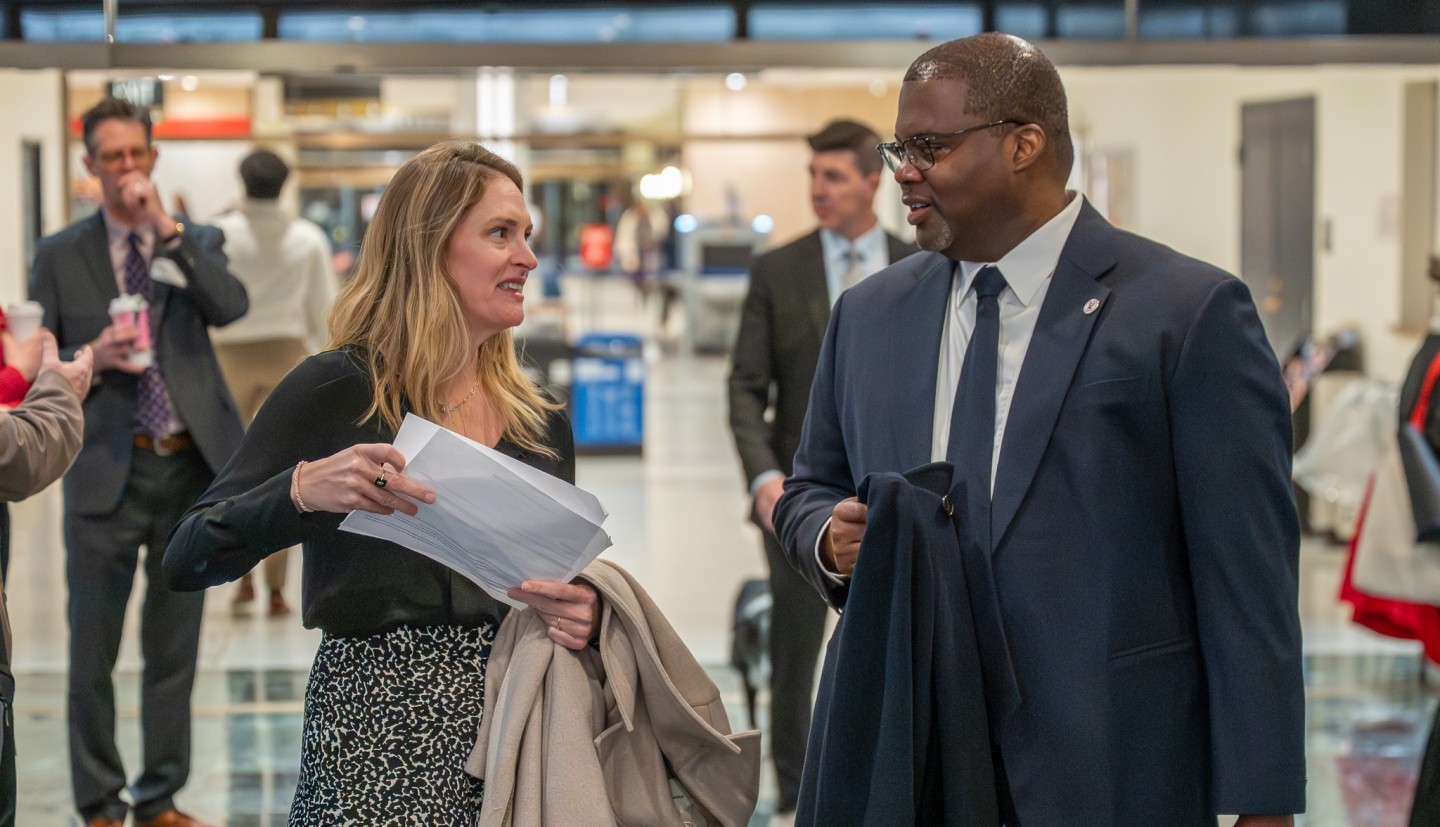
My team recently had a meeting with New York State Department of Ag Markets, which funds my position. I told them that with my newly earned executive MBA through Cornell's Executive MBA program, I want to increase their ROI using my business training and connections.
I've been working with Professor Peter Robinson for the last three semesters. He teaches at Cornell Tech in the architecture, art, and planning department. I saw this as a great opportunity to influence future architects and city planners about the importance of gardening, healthy soil, compost, biochar, and rock dust. As they advance in their careers, these concepts will become part of their design thinking. When designing a complex, they'll know to include garden beds with sun access.
Long after I'm gone, I hope the students from those classes will remember our interactions and prioritize gardening and soil health in their work. As one person, I can only reach so many people or change so many minds. But if I can influence the people who shape our built environment, I'll leave a meaningful legacy by placing the importance of gardens and community in areas where they're normally overlooked.
I also want to branch out into speaking with students studying policy. If I can influence young folks in planning and policy, that would be my greatest accomplishment because I'd be reaching those who control funding and building design.
Planting Hope: Starting a Garden for Families in Temporary Housing
I visited a Salvation Army residence in Springfield Gardens, right next to JFK. It took forever to get there without a car - about an hour and 45 minutes by train and bus. The facility housed 99 families who were either undocumented immigrants, fleeing domestic abuse, or waiting for public housing.
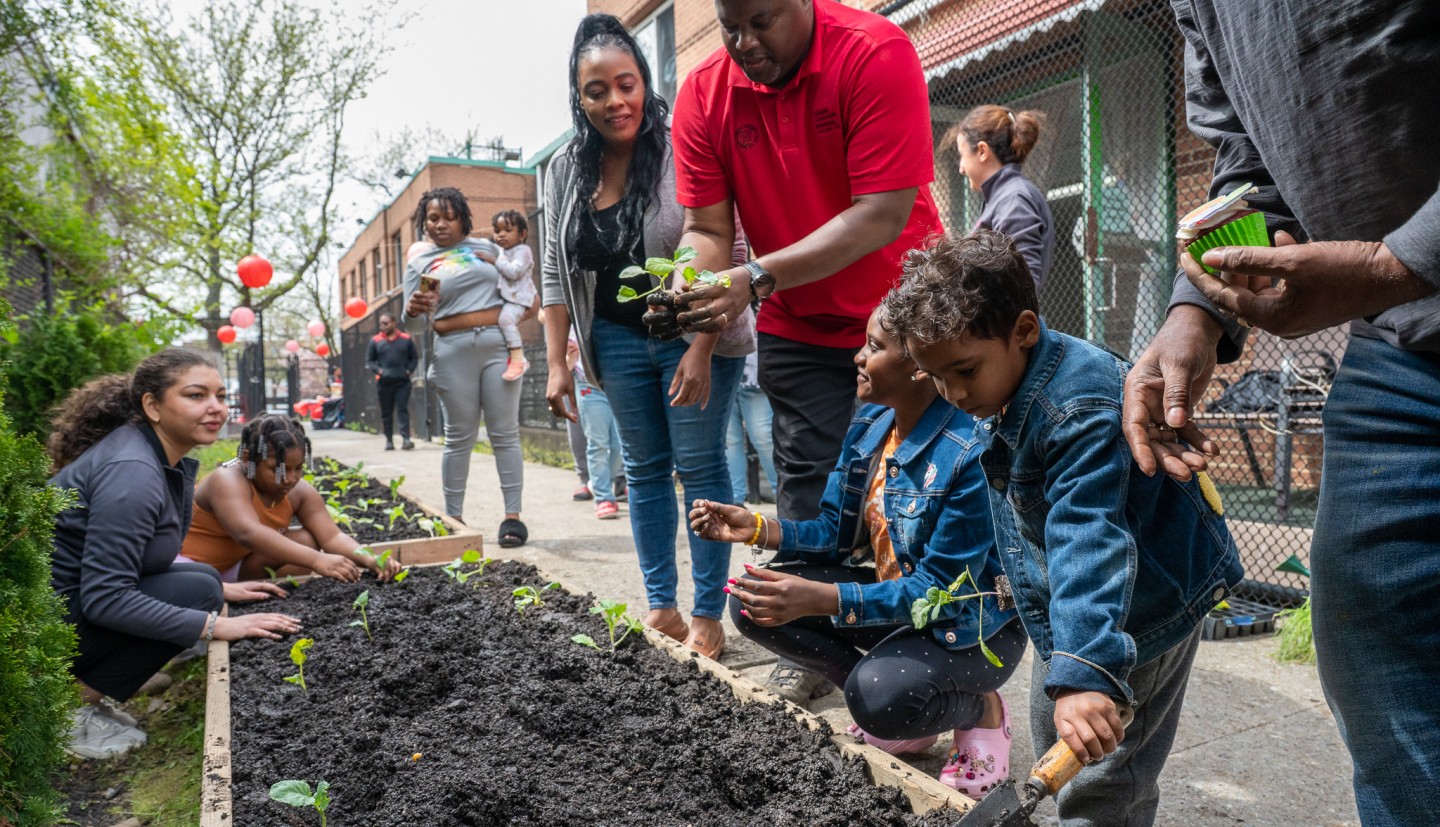
The woman in charge, Bilqis, wanted to start a garden. Another community member connected her with me. My supervisor paid for the soil test, but we didn't have funding for the actual garden. When I visited and saw the kids there, they reminded me of my mother and me when we first arrived in NYC. We could have easily ended up in a place like that, so getting a garden there meant a lot to me personally.
I spoke to Tashara Leak, associate professor in the Division of Nutritional Sciences, College of Human Ecology (CHE), about our shortfall. She asked how much we needed. I told her we just needed about $1,000 to start the garden. She applied for a CHE Community-Engaged Learning Grant and used some of that funding to start the garden. Tashara did a lot of work to make the project happen.
My Hobbies
My main hobby for several years was gardening, because I was just learning about it. The squirrels baffled me. Tree roots—trees are so intelligent. I learned that the hard way trying to keep the roots of a maple tree out of my beds, and everything I did failed. Birds are also intelligent. It's just learning how to work with nature.
So it became kind of like a game, and I wanted to become a better game player. What can I grow that would wipe out the bad insects and attract good insects? It was an experiment. You had a theory, you had to test it, then modify it. It was a lot of messing around and finding out.
Other than that, I’m a regular guy. I like going to the gym and being at home watching movies with my wife, who is not as into movies as I am. During the second year of the EMBA program, I was invited to join our class fantasy football league, where I came in last place. Prior to playing fantasy football, Sunday afternoons used to be relaxing. The RedZone channel was ambient noise, and Scott Hanson’s voice didn’t spike my anxiety.
Keep Exploring
Field Note
- School of Integrative Plant Science
Field Note
- School of Integrative Plant Science
- Soil and Crop Sciences Section
- Agriculture
We openly share valuable knowledge.
Sign up for more insights, discoveries and solutions.