Regional leadership for the public good
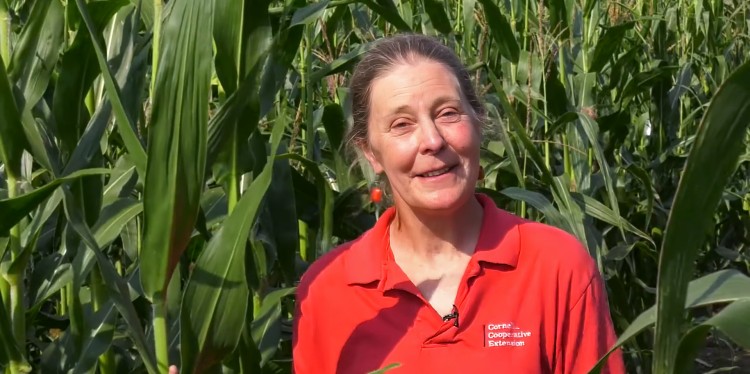
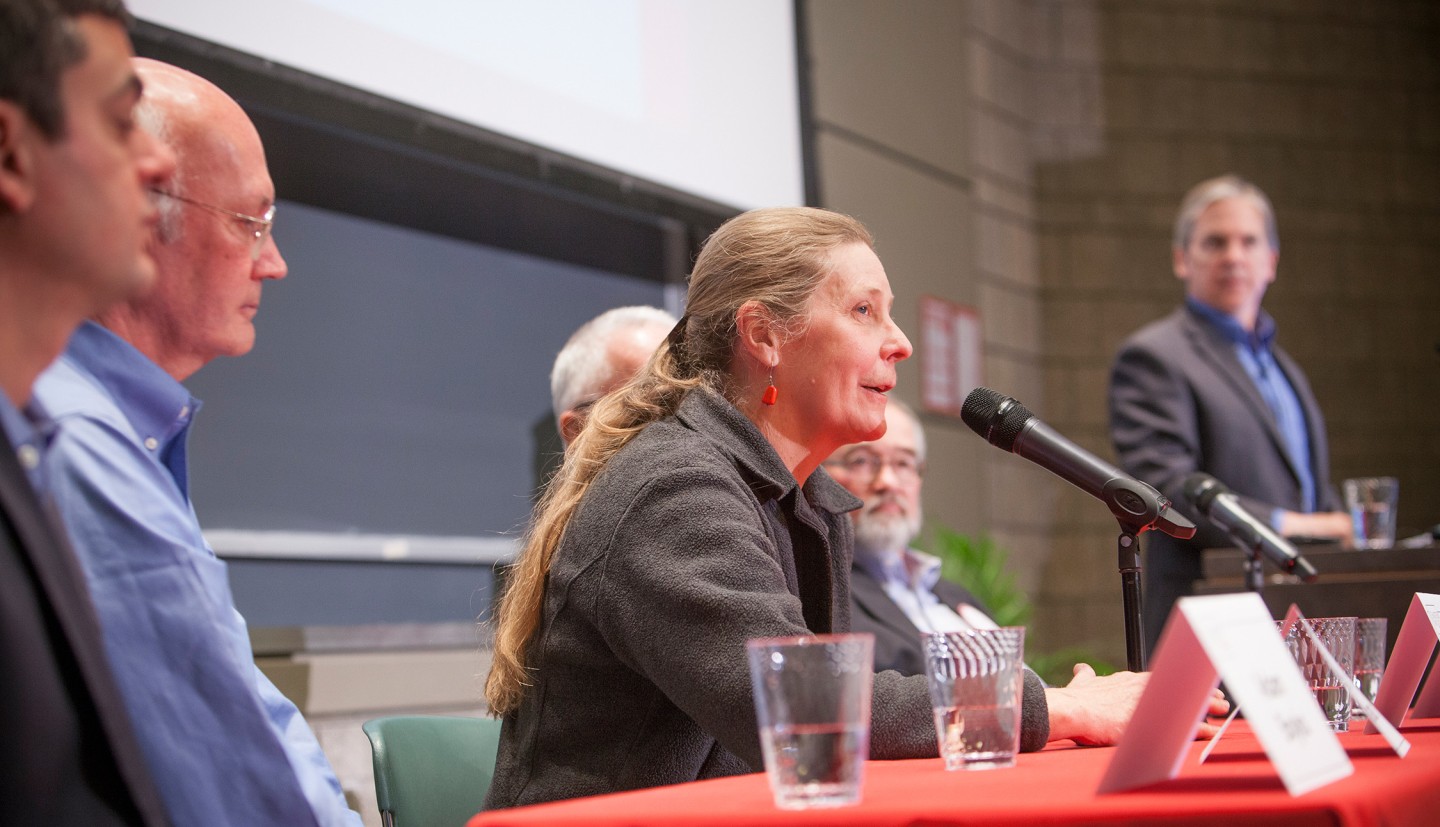
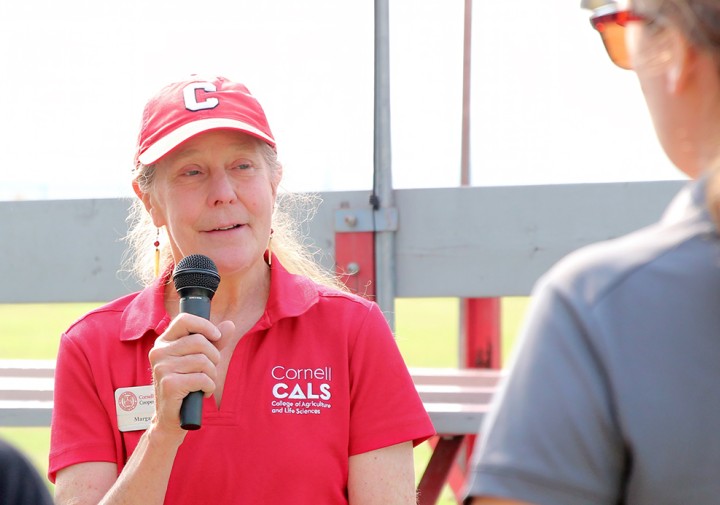
Smith has spent decades in Cornell leadership, most significantly her 17 years as associate director and then director of Cornell AES. As part of that role, Smith served in agInnovation Northeast, an organization that brings together directors of agricultural experiment stations across 14 states. Ag experiment stations support state-level research to benefit agriculture, the environment and community wellbeing, and they oversee multi-state research projects that seek to share resources and information to address regional problems. Smith held the record for serving on the most multi-state research projects in the region, said Rick Rhodes executive director of agInnovation Northeast, and a professor at the University of Rhode Island.
“Margaret was the one who made sure that the trains ran on time: the project is delivered on time, on target, on budget. She was keenly aware that these projects were being supported by public funds, and she always had this steady, principled voice that kept the focus on the science, collaboration and public benefit. She was the conscience,” Rhodes said. “I’m absolutely convinced that she made us all better collaborators, better scientists, and better stewards of our institutional missions. She’d step out of the spotlight and assist all of our directors to step into it. That’s what made her so exceptional. She has that rare combination of excellence in science, administrative skill, and being a warm human being.”
Margaret made us all better collaborators, better scientists, and better stewards of our institutional missions. – Rick Rhodes
Local to global impact
Since her earliest research in Costa Rica and Mexico, Smith has retained a commitment to fighting hunger internationally. She has held joint appointments at Cornell – in the School of Integrative Plant Science and in the Department of Global Development. This commitment has benefited her collaborators at home and abroad.
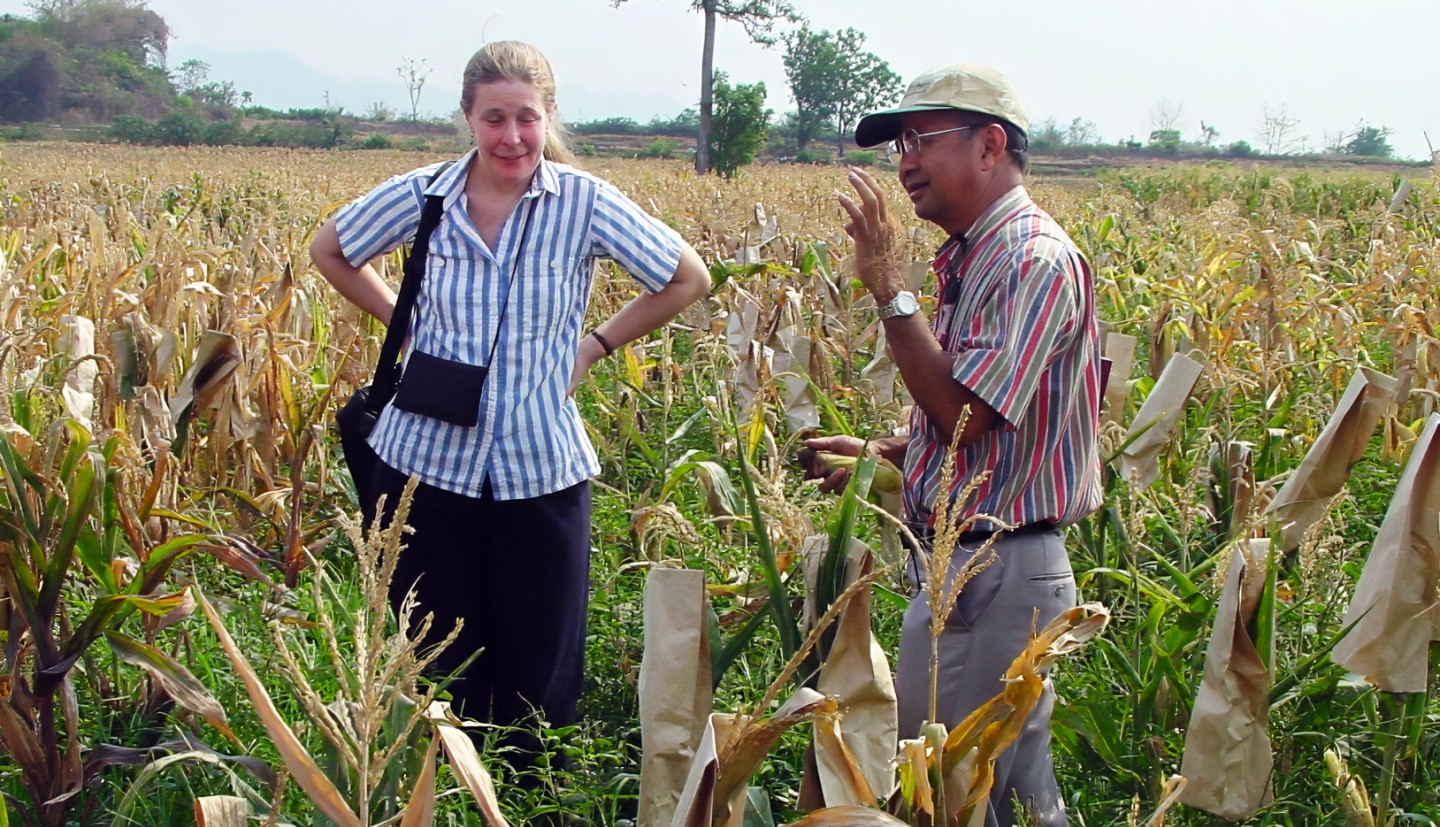
Smith taught courses on corn breeding for several years at the West Africa Centre for Crop Improvement (WACCI). Housed at the University of Ghana, Cornell scientists partnered with colleagues in West Africa to train and support plant breeding efforts in Africa, for Africans. She also oversaw research projects by doctoral students addressing multi-national pest and disease resistance, and efforts to improve nutritional quality of corn in regions where many women lacked essential micronutrients like iron and zinc. For decades, Smith collaborated with colleagues in Central America and Africa. Still today, she works in the U.S. territory of Puerto Rico to maintain winter nurseries of varieties she is developing for New York. These relationships enable her to grow two corn crops per year and create new varieties in half the time.
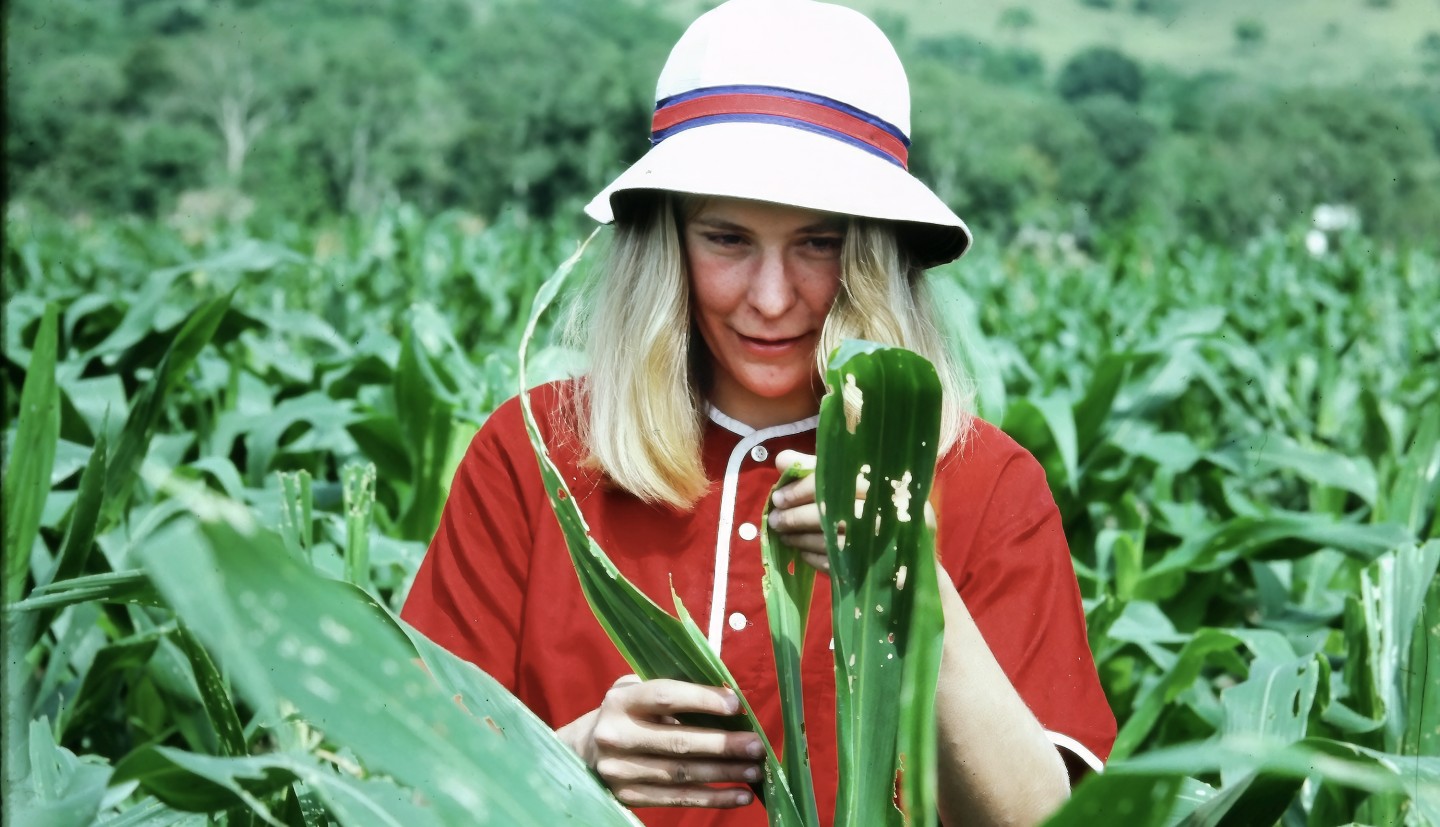
International research broadened her perspective and enabled her to ask questions she would never have thought of otherwise, Smith said. Her job as a plant breeder at the Tropical Agriculture Center for Research and Teaching in Turrialba, Costa Rica, involved working with the poorest, smallholder farmers in Central America to test whether new varieties being released by universities and organizations like CIMMYT would improve their food security.
“At the time, the thinking was that scientists should do their breeding under optimal conditions, and if a new variety is better under optimal conditions, it’ll be better across the board. But we found that this is not true,” Smith said.
In collaboration with national breeding programs in Nicaragua, Costa Rica, Honduras, Panama and El Salvador, Smith and her colleagues assessed varieties on farms of 1-2 acres, where families were relying on marginal land to grow most of the food they would eat. Higher-quality farmland had almost all been taken over by large corporate entities to grow crops like coffee and bananas for export, she said.
“These smallholder farmers were trying to maximize every inch, soil quality was poor, and they couldn't afford fertilizer. And most of the new varieties being released by the top research programs didn’t offer them any advantage, because they were not being developed with those constraints in mind,” Smith said. “It made me think a lot about breeding objectives and who chooses them, and what considerations we need to keep in mind to ensure that we truly meet the needs of the people we’re trying to serve.”