Back

Discover CALS

See how our current work and research is bringing new thinking and new solutions to some of today's biggest challenges.

Share
  • Animal Science
  • Agriculture
  • Biodiversity
  • Soil

The push for sustainability metrics for the dairy industry is ever growing. This includes metrics for air and water quality, water use, and most recently above-ground biodiversity. We sat down with members of the Nutrient Management Spear Program (NMSP) to learn about measuring on-farm, above-ground biodiversity in upstate New York.

New York dairy farms are complex and cyclical. Dairy farmers in upstate New York focus not only on their cattle, but also on growing a large portion of their cattle feed on their own land. In addition, most farms have acres that are not in production, providing valuable ecosystem services while offsetting greenhouse gas emissions. 

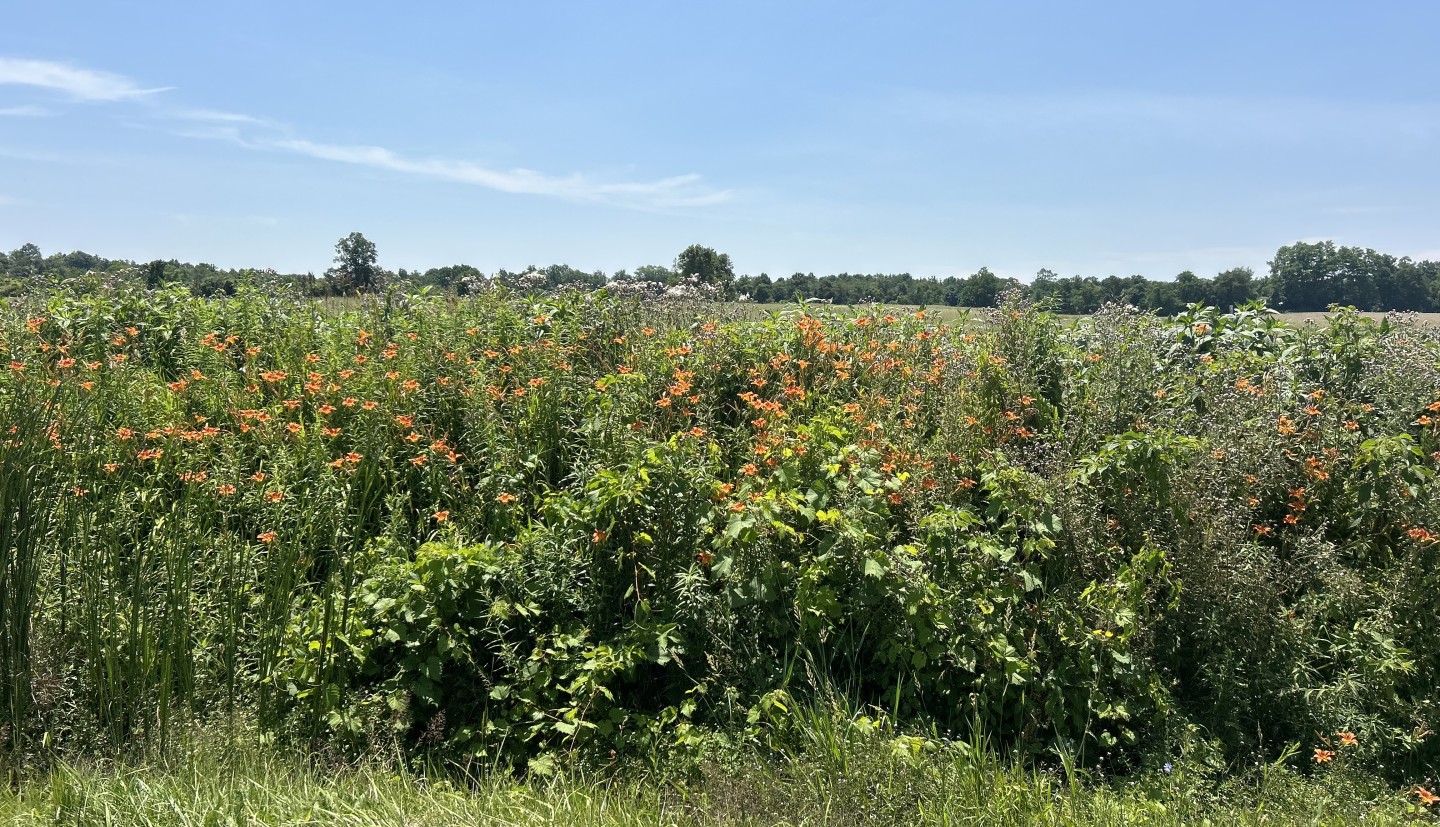
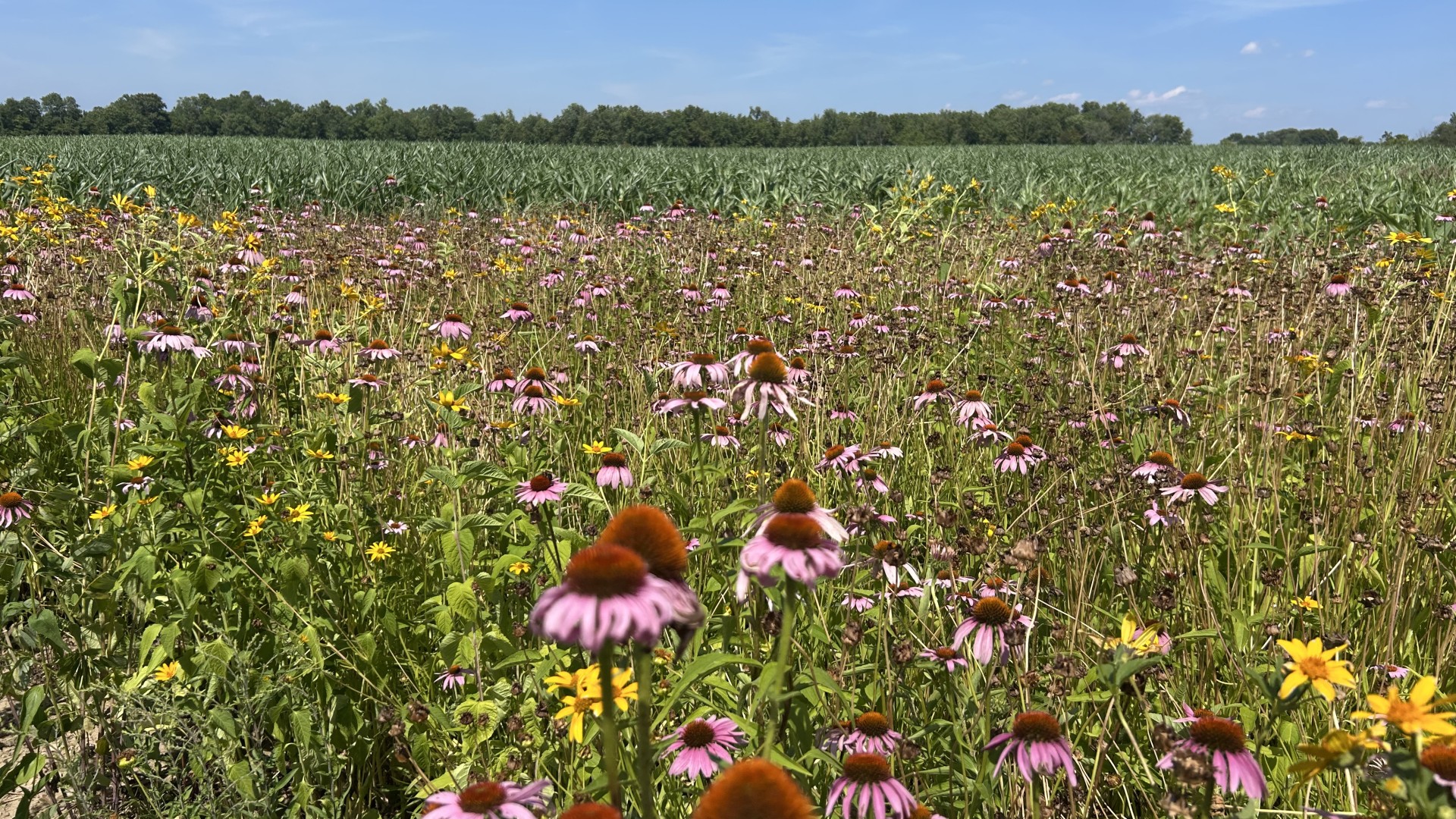
Some farms in upstate New York have up to 200-300 acres of land that is not in use for forage and feed production, from vast spans of forest that house natural ecosystems, to native grasslands that support pollinators which promote prosperous crop production. Biodiversity influences nutrient cycling, genetic diversity and pollination, uniquely supporting the resilience of our farms. Protecting these non-production areas is of tremendous value for dairy sustainability. 
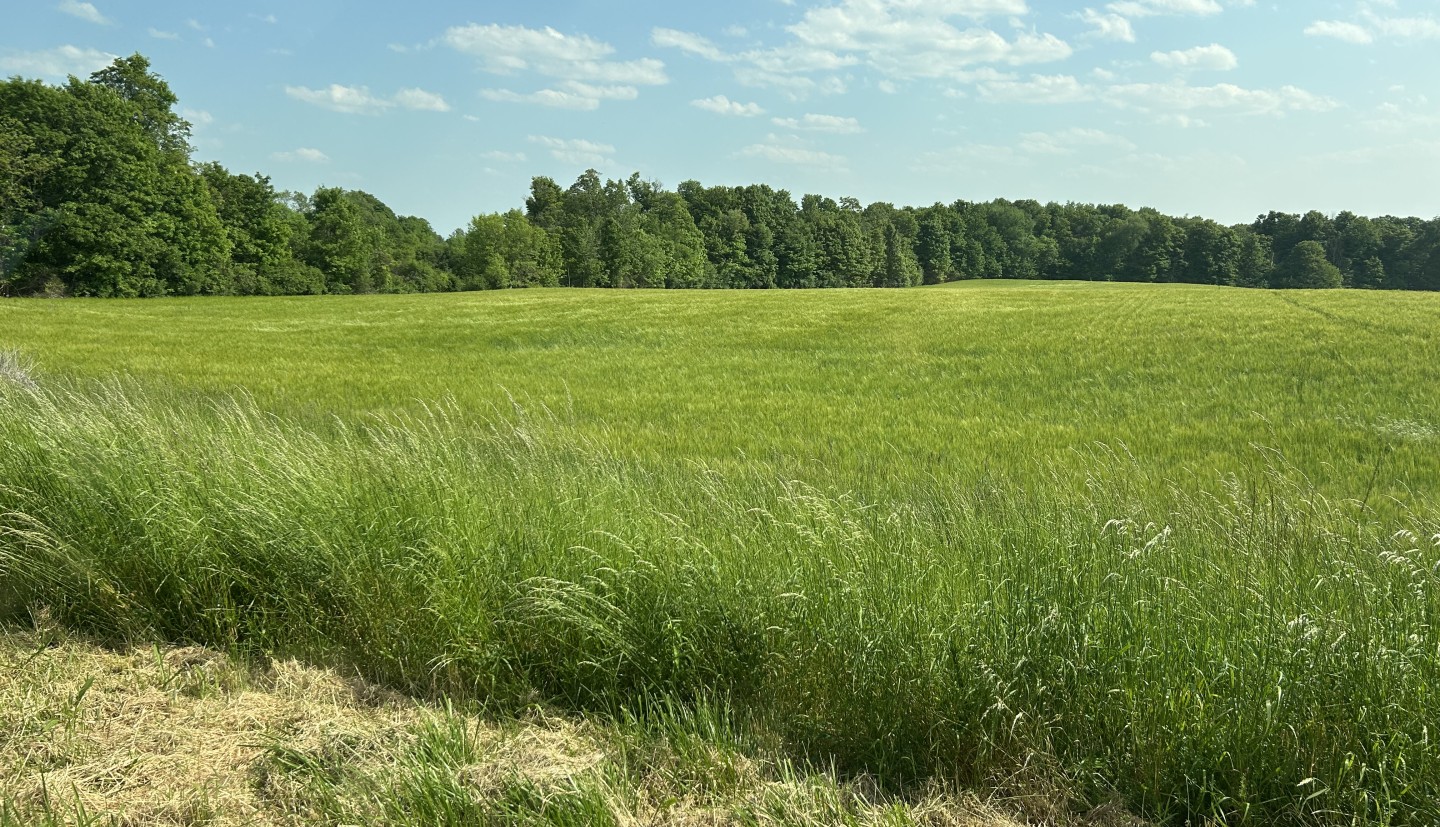
While the positives of biodiversity are well known, how to measure on-farm biodiversity is less well known. The NMSP team decided to dig deeper into the matter.

“It started out as a side project in 2023, it was something we decided to look into since a lot of people in the dairy industry were asking about it,” said Karolyn Auer, dairy sustainability research assistant. “We quickly realized that a lot of the work that we do ties in more closely with biodiversity than we had initially thought.” 

Under the supervision of Olivia Godber, NMSP research associate and dairy sustainability lead, and Quirine Ketterings, professor of whole-farm nutrient management and NMSP’s lead, Auer has been working hard to examine how biodiversity metrics could be added to already ongoing assessments of greenhouse gas emissions and nutrient balances.  

“Many of the variables that we look at when we’re assessing greenhouse gas emissions and nutrient mass balances also play a role in maintaining and preserving above-ground, on-farm biodiversity,” said Auer. “For example, we consider the impacts of animal density, manure application and inorganic fertilizer application on nutrient use, greenhouse gas emissions and biodiversity.”

Right now, NMSP is working alongside farmers to figure out how they can assess species presence and abundance within a farm’s boundary (on-farm biodiversity) in a way that doesn’t add much work (if any) for the farmer.

Drawing from the pitfalls and advantages of measurement methods that previous researchers have used, the team is looking for a middle ground, seeking to assess on-farm, above-ground biodiversity accurately without incorporating excessive labor, which can be costly. Considering this, they realized that there can be a lot of indicators of biodiversity hidden in the farmers’ everyday practices.

“Something as simple as information about reduced tillage or reduced pesticide use can give us an idea of what’s happening on the farms when it comes to biodiversity. We really want to make sure that they are getting credit for the things that they should be getting credit for,” Auer said. “And hopefully, down the road, there will be some kind of added value for these practices, whether that be for the consumer, or increased crop productivity and land preservation.” 

Given the support for sustainable practices from dairy industry leaders, several farmers emphasized to the NMSP team that even if they don’t receive a premium, they hope this effort will contribute to their ability to secure stronger, long-term contracts from their customers – providing them with more financial security and stability.

Currently, the NMSP team is working to facilitate conversations with farmers and review their list of potential biodiversity indicators. They hope this will give them a better idea of what makes sense when it comes to practical feasibility and usefulness of biodiversity assessments on-farm.

“We need nature, it’s important,” said Auer. “Biodiversity, and nature as a whole, supports the land that we farm on, the land that we live off of. Without biodiversity, we lose crucial ecosystem services that make us successful when it comes to agriculture and supporting a growing population.”

Madeline Hanscom ‘22 is a communications assistant for Cornell CALS Nutrient Management Spear Program (NMSP).

Keep Exploring

Close up of wheat in a field

News

Growing climate-smart crops is half the battle. Consumers need to understand sustainability claims and, more importantly, be willing to pay a premium for them.

  • Charles H. Dyson School of Applied Economics and Management
  • School of Integrative Plant Science
  • Soil and Crop Sciences Section
experimental flasks of flocculent pellets

News

Mycelium, the vegetative, root-like network of fungi, has the power to transform food waste into new, life-sustaining food.

  • Food Science
  • Agriculture
  • Climate Change