Academic focus: Global biodiversity and ecoinformatics
Research summary: My research addresses the accelerating biodiversity crisis by developing scalable, data-driven approaches to guide global conservation and sustainability efforts. My lab integrates advanced statistical and machine learning methods with ecological, environmental and socioeconomic datasets to quantify biodiversity status, trends, drivers and benefits across scales. A central focus of my research program is building interdisciplinary collaborations across academia, government and the private sector to ensure that biodiversity science is both rigorous and impactful.
What do you like to do when you’re not working?
I spend most of my free time running a small farm and homestead. I love tending to our vegetable gardens and berry bushes. We also raise ducks and chickens and have several pets including dogs and chinchillas, so there’s always something to do, from collecting fresh eggs to making sure the animals are well cared for. It’s a lifestyle that keeps me grounded and connected to nature while also teaching me patience and resilience. I really enjoy the balance it brings – working with my hands, growing food and living a more self-sufficient life.
What are your current outreach/extension projects?
All of my current projects are conducted in close collaboration with partners, including local practitioners, communities and decision-makers, to advance evidence-based approaches to biodiversity conservation. I also work with private sector partners to help integrate biodiversity considerations into their planning and reporting processes.
What brought you to Cornell CALS?
I’ve been drawn to Cornell CALS for many years, starting as a first-generation undergraduate when I majored in biology and animal science. That experience gave me a strong foundation and a deep appreciation for the breadth of opportunities here. I returned to Cornell after my graduate studies, first as a postdoc and then a research associate at the Lab of Ornithology. Those experiences deepened my connection to CALS and reinforced what I value most: the stimulating and fast-paced yet collaborative environment, the diversity of people and studies, and the strong focus on outreach and impact that extends beyond campus.
What do you think is important for people to understand about your field?
I think it’s important for people to understand that the challenges facing biodiversity, conservation and sustainability are far too complex to be solved by a single lab, discipline or sector. Addressing them requires interdisciplinary, collaborative work that brings together diverse expertise and perspectives. Equally important, the research we produce must be usable – designed so that government agencies, conservation NGOs and the private sector can readily apply it in decision-making. By building these bridges, science can move beyond advancing knowledge to creating meaningful, lasting impact in the real world.
Why did you feel inspired to pursue a career in this field?
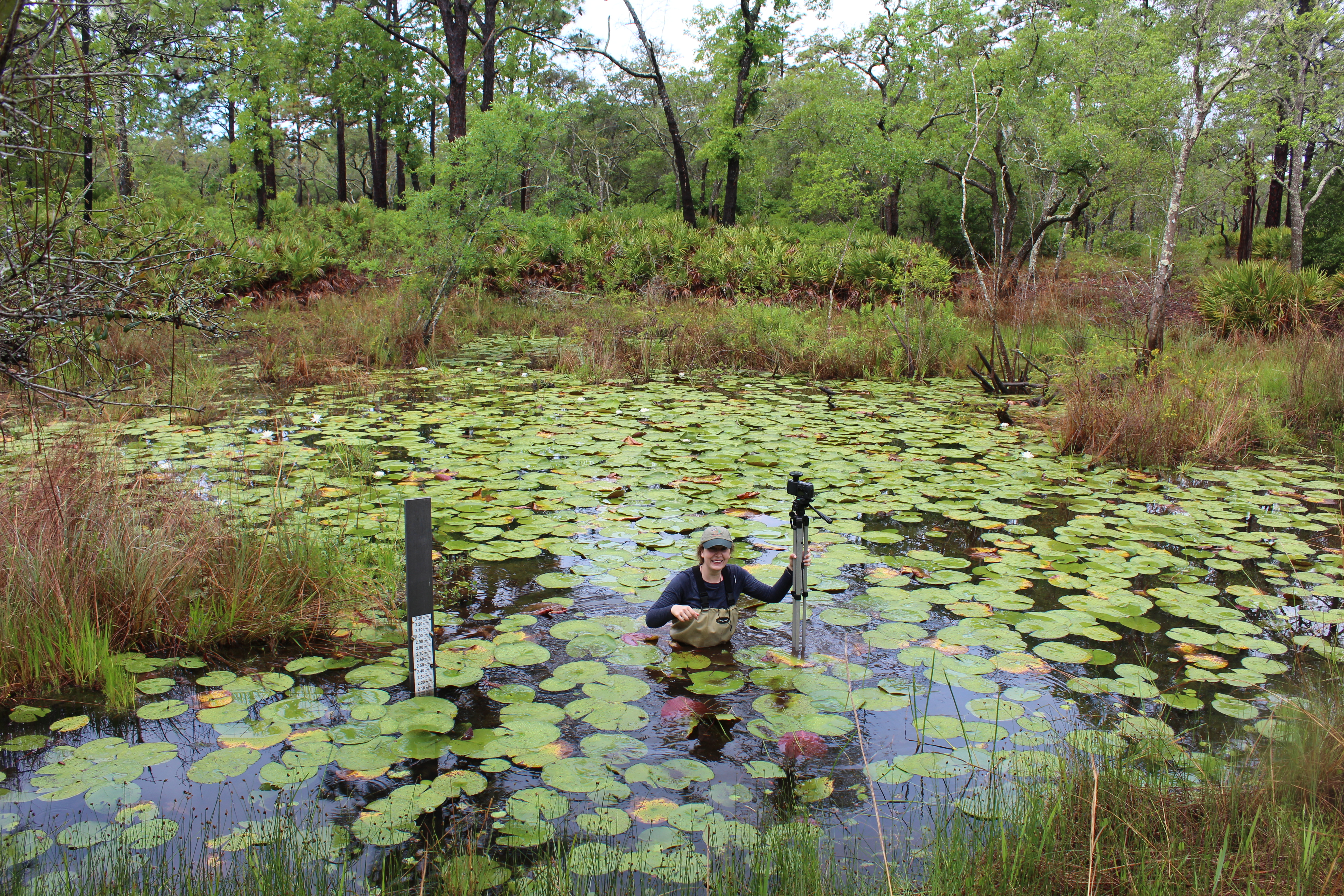
My inspiration comes from experiences during my undergraduate years at Cornell. A professor’s passion for teaching quantitative methods in an accessible way gave me the tools and confidence to engage with complex analyses. My summers at Cornell AgriTech introduced me to mentors whose enthusiasm and support made a lasting impression. Finally, a field course in Kenya took me out of my comfort zone and confirmed my interest in a career that combines hands-on fieldwork with quantitative analysis to support biodiversity conservation.
What advice do you have for students interested in your field of study?
My advice is to actively step out of your comfort zone and embrace opportunities that challenge you; you’re often more capable than you think. Seek experiences both in the field and behind a computer, as balancing hands-on work with data analysis or computational skills is essential. Pay attention to how you learn best – whether through reading, doing or collaborating – and adapt your approach accordingly. Take on internships, research projects or volunteer work that push your boundaries. These experiences build confidence, skill and perspective.
Learn more about Courtney from her CALS profile.