Academic focus: Field crops pathology
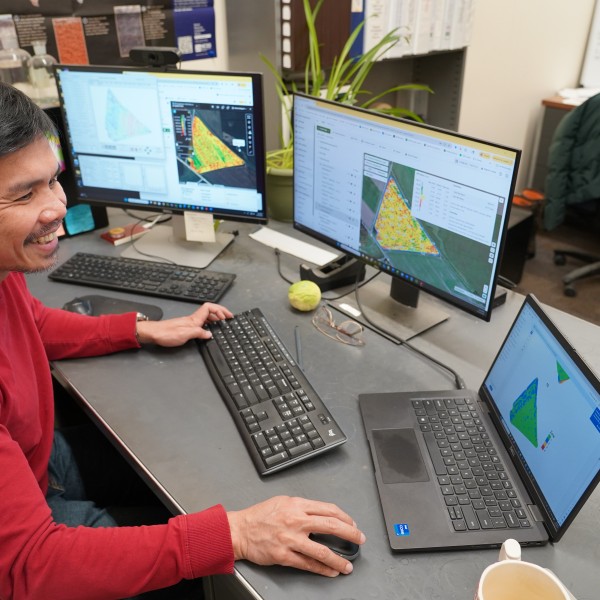
Research summary: We study diseases of major field crops in New York state with one goal: better decisions for growers. We ask how pathogen populations change under selection from host resistance, fungicides and environmental pressures, and how to detect those shifts at the population level early. We pair pathogen genomics with field trials using whole genome sequencing and a robust extension network. We emphasize workflows that connect genotypes to phenotypes, informing decision support for stakeholders. We are preparing for next-generation disease surveillance and digital agriculture, so field crop growers get more accurate diagnostics and earlier interventions.
What do you like to do when you’re not working?
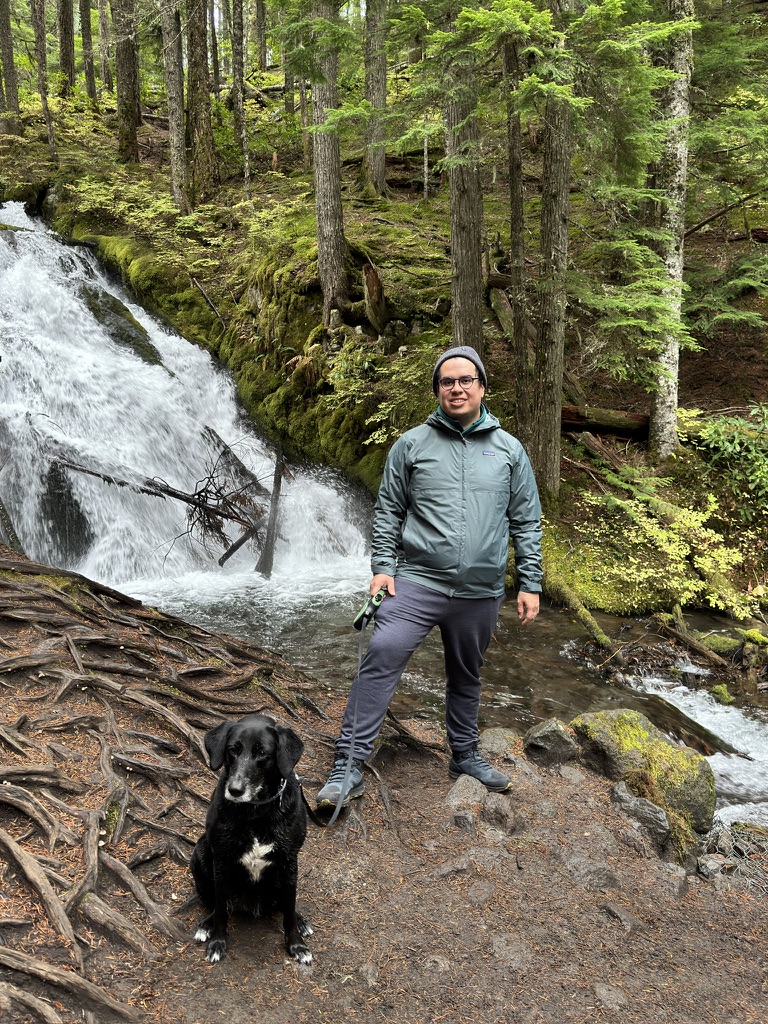
Gravel biking on forest roads, camping, baking bread and grilling. I enjoy hosting friends and having deep conversations.
What are your current outreach/extension projects?
My goal is to build pathogen collections and field datasets across New York state to link phenotypes and genotypes, and deliver rapid diagnostics that map directly to decisions in field crops. I like to solve problems, and for me it is super important to engage with folks on the ground to develop relevant solutions to their most pressing issues.
What brought you to Cornell CALS?
A land grant institution that values research with impact, strong extension partnerships and New York’s diverse field crop systems.
What do you think is important for people to understand about your field?
Next generation sequencing and digital agriculture allow us to monitor pathogen populations in near real time. That means more accurate diagnostics and earlier, cost-effective interventions that protect growers from large outbreaks.
Why did you feel inspired to pursue a career in this field?
I was drawn to science that impacts decisions on the ground. My training in both extension and genomics convinced me that we can merge both approaches to solve problems for field crop growers.
What advice do you have for students interested in your field of study?
Learn all the components of the system early. Train yourself to see how field observations connect with lab data, how research informs management, and how grower decisions influence pathogen populations. Systems thinking at this level helps you design research that matters and, hopefully, deliver solutions that last.
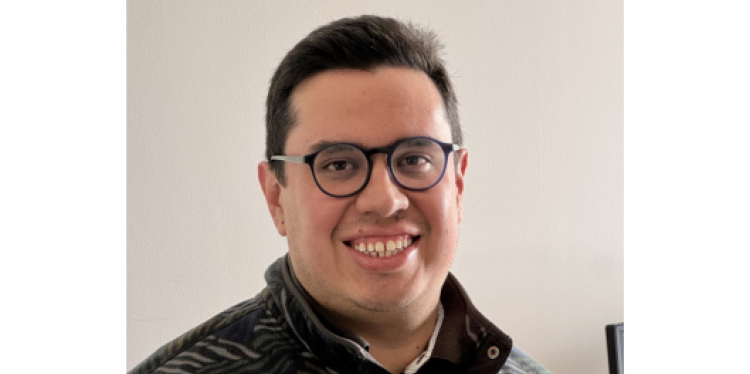
Learn more about Camilo from his personal website and his CALS profile.