Academic focus: Urban ecology
Research summary: I am an urban ecologist attempting to understand the processes and patterns that form urban plant and animal communities. Across systems, plants, insects, fish and birds, my lab uses data collected in the field by myself and others to understand how processes such as urbanization, fragmentation and infrastructure development influence meta-community dynamics and biodiversity patterns. We also work to understand how human-nature interactions influence, and are influenced by, urban biodiversity.
What do you like to do when you’re not working?
I enjoy hiking, swimming, painting and woodworking.
What are your current outreach/extension projects?
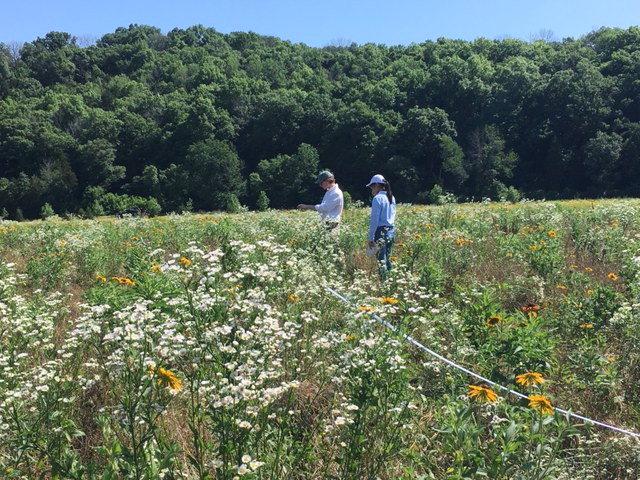
I’m new to the area/country, but I am working on developing partnerships with local growers to identify species that work best in urban areas for human engagement. I’m also working with New York City parks to share the data I have collected in the city and look forward to hosting educational events open to the public.
What brought you to Cornell CALS?
Cornell CALS is an extremely strong program with great research and extension work that I am proud to be a part of. As a good deal of my fieldwork is conducted in New York City, it is great to have Cornell CALS extension connections in the city and be able to work with a diversity of groups.
What do you think is important for people to understand about your field?
Urban ecosystems are rich in biodiversity and valuable for a suite of reasons. I think that people have a tendency to overlook the biodiversity and nature in cities because we associate urbanization with concrete and gray. However, research has shown that urban areas are filled with life and can support a diversity of species. If we don’t value this urban nature then we are at risk of losing it.
Why did you feel inspired to pursue a career in this field?
Research allows me to be inquisitive and ask questions for a living. It’s a dream come true. I also thoroughly enjoy educating university students and the general public about the value of urban nature and maintaining/restoring our environment.
What advice do you have for students interested in your field of study?
Be curious about your surroundings. Don’t look past the nature you see every day in your life and be aware that there are research questions all around you. Follow your interests and know that while there will be plenty of setbacks professionally, hard work is rewarded eventually.
Learn more about Aaron from his CALS profile and lab website.