Back

Discover CALS

See how our current work and research is bringing new thinking and new solutions to some of today's biggest challenges.

Share
  • Animal Science
  • Department of Entomology
  • Microbiology
  • Natural Resources and the Environment Section

Why do cats purr when they are happy? Can I still eat that pizza I left out overnight? What is the carbon footprint of a football game?

CALS courses are designed to help you seek answers to your everyday questions, leading you to build knowledge, skills and passion to tackle complex scientific challenges. Through hands-on, experiential learning, we take you beyond the classroom, encouraging you to consider new perspectives and connecting you with field and industry experts.

If you still have room on your schedule, here are five of hundreds of CALS classes offered this fall that are sure to educate and inspire:
Naturalist Outreach Practicum

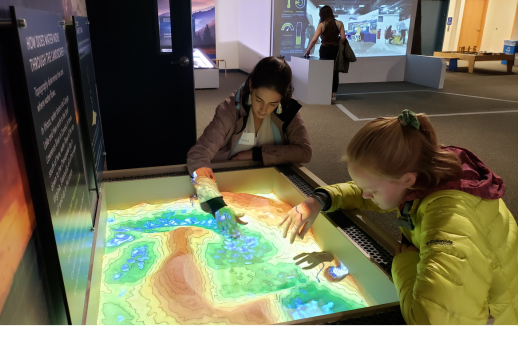
Students play with an exhibit at the Sciencenter

Ready to inspire the next generation of scientists? In this hands-on course, you’ll take your love for nature, biodiversity, ecology and conservation directly to local K-12 classes and community events, including at the Ithaca Sciencenter and Insectapalooza. You’ll learn from outreach experts how to be an effective science communicator, including creating and delivering engaging presentations that resonate with audiences of all kinds.

Taught by: Linda Rayor, senior lecturer of entomology, Sarah Fiorello, interpretation coordinator for the Cornell Botanic Gardens, and Lisa Kopp, visitor experiences manager for the Cornell Lab of Ornithology.

Course number: ENTOM 3350

Enrollment details: Class size is limited. Students who want to enroll in Naturalist Outreach Practicum should read this course information page, and contact Rayor for the enrollment code.

Locker Rooms, Kitchens and Bedrooms: The Microbiology of College Life

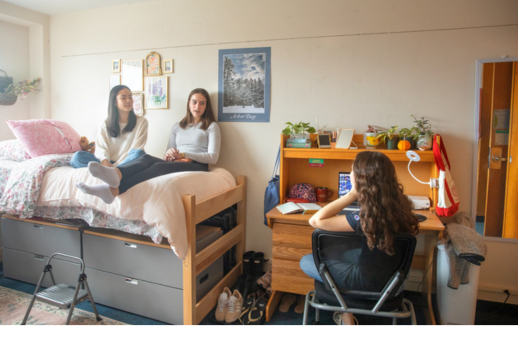
Cornell students sit in a dorm room

Ever wondered about the microbes that also call Cornell campus home? Through this course, you have the opportunity to explore the world of microbiology and microbial ecology as it relates to your everyday life. You’ll learn about how viruses, bacteria, eukaryotes and metazoans can cause common illnesses (i.e., gastroenteritis, influenza and STDs), ways that microbiology drives alcohol production, and why microorganisms cause your favorite foods to spoil.

Taught by: Ian Hewson, professor of microbiology, Anthony Hay, associate professor of microbiology, and Kathleen Hefferon, lecturer of microbiology.

Course number: BIOMI 1100

Enrollment details: This is an introductory course suitable for non-life sciences majors.

Sustainability in Athletics

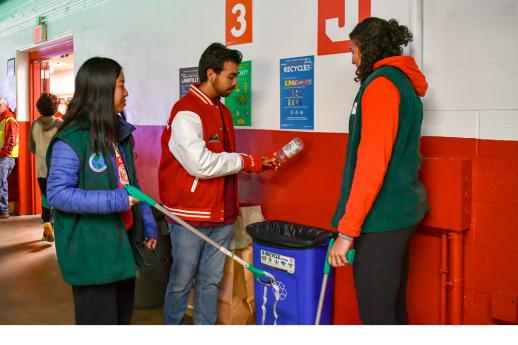
Cornell students recycle at a sports game

Curious about how athletics can help us build a greener world? In this new course co-developed by student-led organization, Cornell Student Athletes for Sustainability, you’ll engage in weekly discussions with guest speakers to examine the causes and consequences of environmental issues at all levels of athletics, explore sustainability initiatives, and examine your own advocacy strategies. Speakers will include collegiate and professional athletes, sustainability consultants, local organizations, and leadership staff at the United Nations.

Taught by: Joseph Yavitt, professor of natural resources and the environment.

Course Number: ENVS 4941

Plagues and People

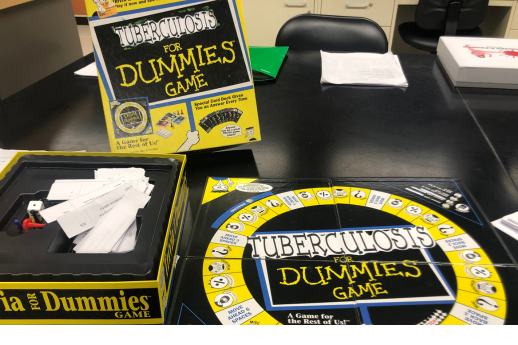
A trivia game created by students of Plagues and People

Plagues and viruses – such as coronavirus, measles and HIV – have significantly impacted and influenced human culture, society and expression throughout history. By engaging in interactive assignments and classroom activities, you’ll explore the pathogens, parasites and arthropods that cause plagues from biomedical, social, ethical and cultural perspectives, and you will gain a better understanding of emerging diseases, bioterrorism and future plagues.

Taught by: Laura Harrington, professor of entomology, and Courtney Murdock, associate professor of entomology.

Course Number: ENTOM 2100

Biology of Cats and Dogs: No Woof and Meow About It

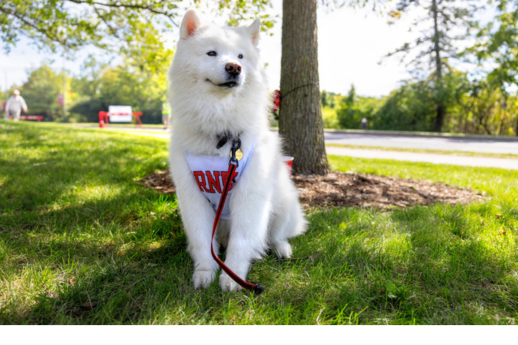
Photo of a dog on Cornell campus wearing and Cornell shirt

Do you want to truly know your pet inside and out? In this course, you’ll explore the fascinating biology behind our favorite four-legged friends. From discussions on why dogs can come in all sizes and shapes, to understanding how cats chose to domesticate themselves, this course blends lectures, interactive discussions and student-led case studies, encouraging you to apply knowledge to real-world scenarios and experiences. 

Taught by: Nathalie Trottier, professor of animal nutrition.

Course Number: ANSC 1500

Enrollment details: This is an introductory course suitable for non-life sciences majors. 

Keep Exploring

a group of young people stand together in front of a building

News

The New York State 4-H Livestock Ambassador Program recently offered an immersive, multi-day educational experience for youth participants, providing hands-on exposure to New York’s diverse livestock industries. The program began with a visit to...
  • Animal Science
  • Animals
Hand grabbing apple

News

Apple scab, caused by the fungus Venturia inaequalis, is one of the most economically devastating diseases facing apple growers in the Northeast. Managing it has long depended on regular fungicide applications—and for many growers, that means...
  • Cornell AgriTech
  • School of Integrative Plant Science
  • Plant Pathology and Plant-Microbe Biology Section