Cornell University’s College of Agriculture and Life Sciences (Cornell CALS) has signed a new articulation agreement with Tompkins Cortland Community College (TC3), creating a direct transfer pathway for students pursuing careers in agriculture and life sciences.
The agreement is part of the CALS Signature Pathway Program, a strategic initiative designed to expand access to Ivy League education for New York state students. It enables graduates of TC3’s Sustainable Farming and Food Systems associate degree program to transfer into Cornell CALS’s agricultural sciences bachelor’s degree program, provided they meet academic requirements.
Students who complete their A.A.S. degree with a GPA of 3.0 or higher and earn a B or better in all transfer courses will receive priority consideration for admission to Cornell CALS. Once admitted, they will continue their studies in areas such as crop and soil sciences, animal sciences, agricultural economics and food science, learning from world-renowned faculty and engaging in hands-on research.
“We are proud to partner with SUNY and TC3 to expand access and opportunity for New York state students,” said Benjamin Z. Houlton, the Ronald P. Lynch Dean of Cornell University’s College of Agriculture and Life Sciences, at an Aug. 7 signing ceremony on the TC3 farm. “This new articulation agreement reflects our Land-Grant mission and shared commitment to building strong academic pathways for students, in service of all New Yorkers. By welcoming TC3 transfer students into our community, we’re investing in the next generation of agricultural and life sciences leaders—offering them access to world-class research, hands-on learning, and real-world impact that can spark innovation and improve lives here at home and around the world.”
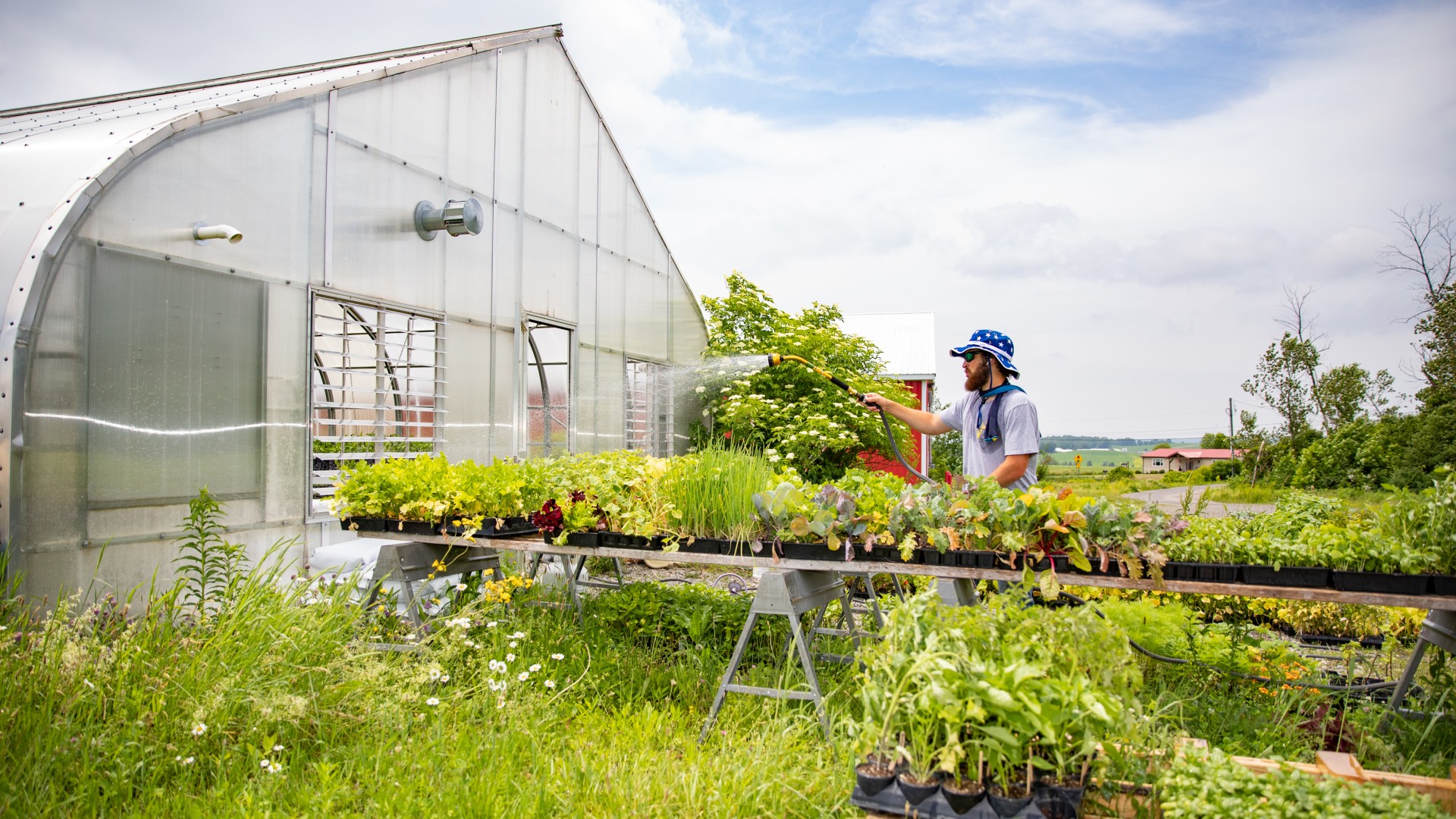
TC3 students begin their academic journey with hands-on experience at the TC3 Farm, where they study sustainable agriculture practices, food systems and agribusiness fundamentals. The articulation agreement formalizes a longstanding relationship between the two institutions and strengthens the college’s role in preparing students to meet the challenges of a rapidly evolving agricultural landscape.
“There is a strong legacy of collaboration between TC3 and Cornell,” said TC3 President Amy Kremenek. “We know that Cornell is the dream for many of our students, and this agreement formalizes what we have always known to be true: that dream can be reality. This creates a clear, achievable pathway for students to start strong at TC3 and earn a degree from an Ivy League university. I applaud the efforts of TC3’s faculty and am grateful to our colleagues at Cornell for creating this tremendous opportunity for our students.”
The CALS Signature Pathway Program continues to grow, reinforcing Cornell CALS' commitment to inclusive excellence and its mission to serve communities across New York and beyond.