Back

Discover CALS

See how our current work and research is bringing new thinking and new solutions to some of today's biggest challenges.

|
By Craig Cramer
Share
  • Cornell Integrated Pest Management
  • School of Integrative Plant Science
  • Plant Breeding and Genetics Section

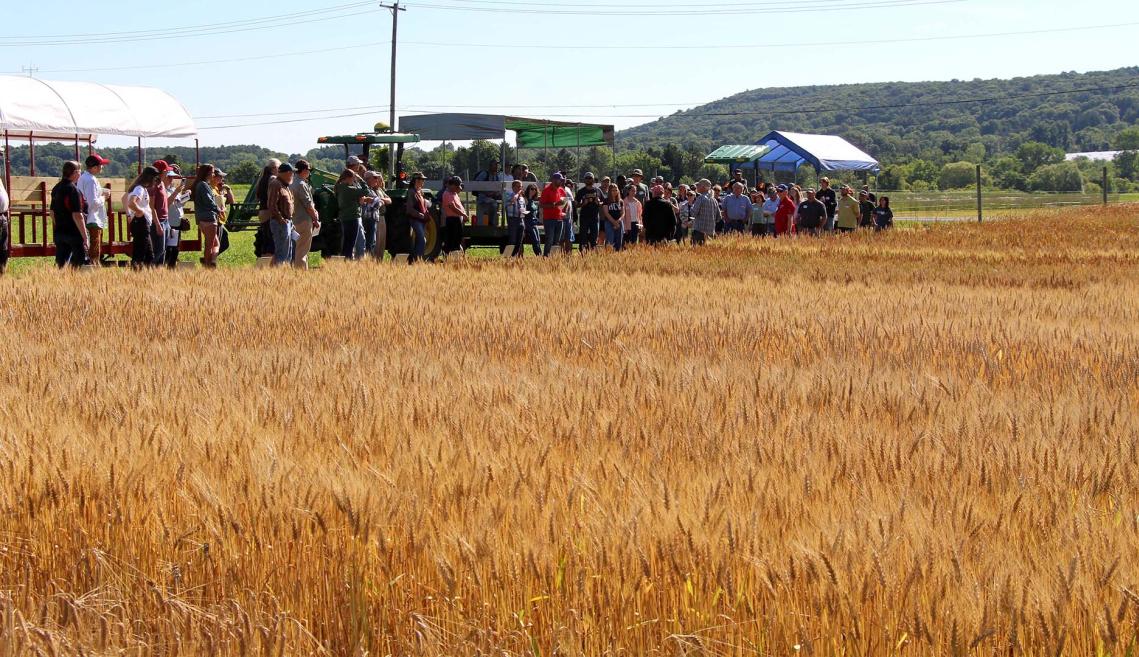
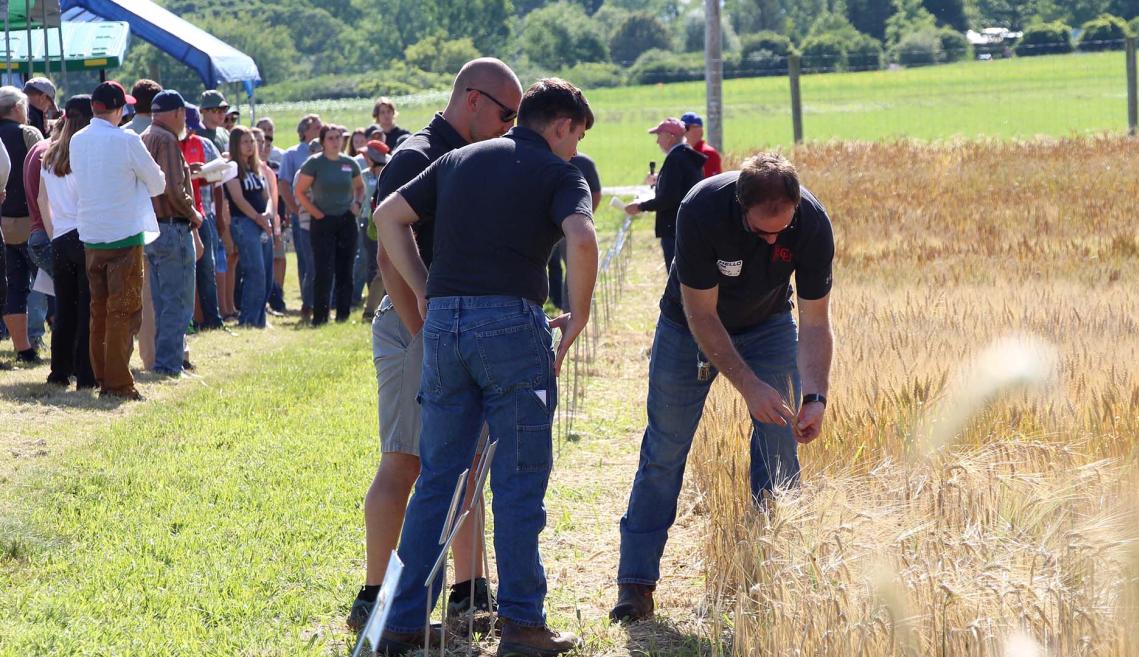
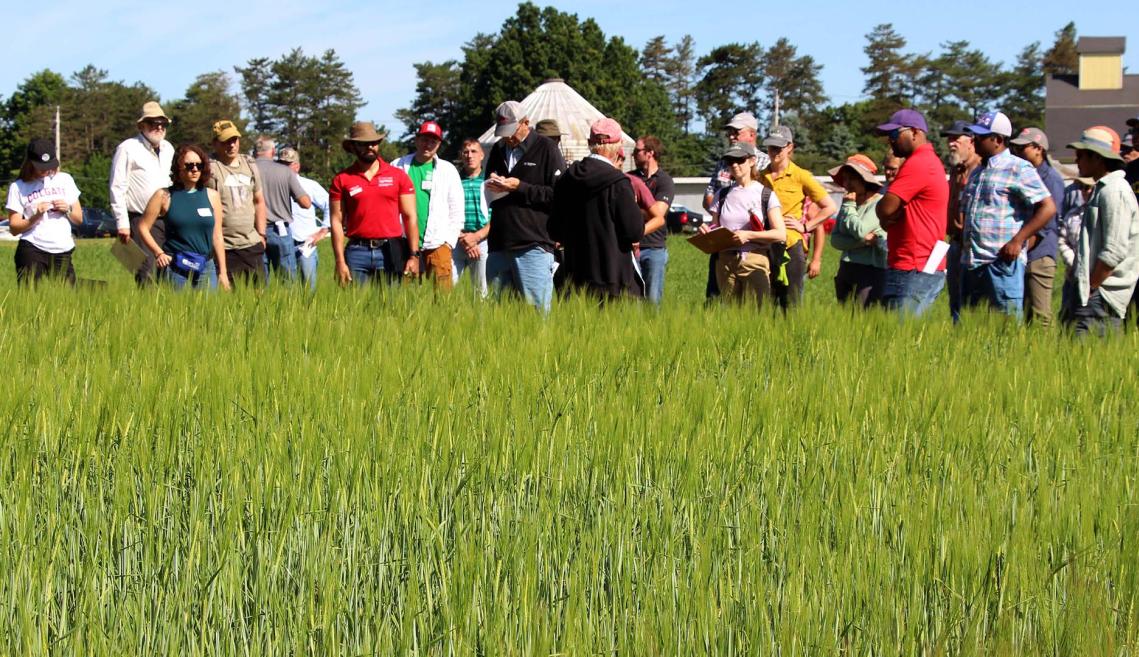
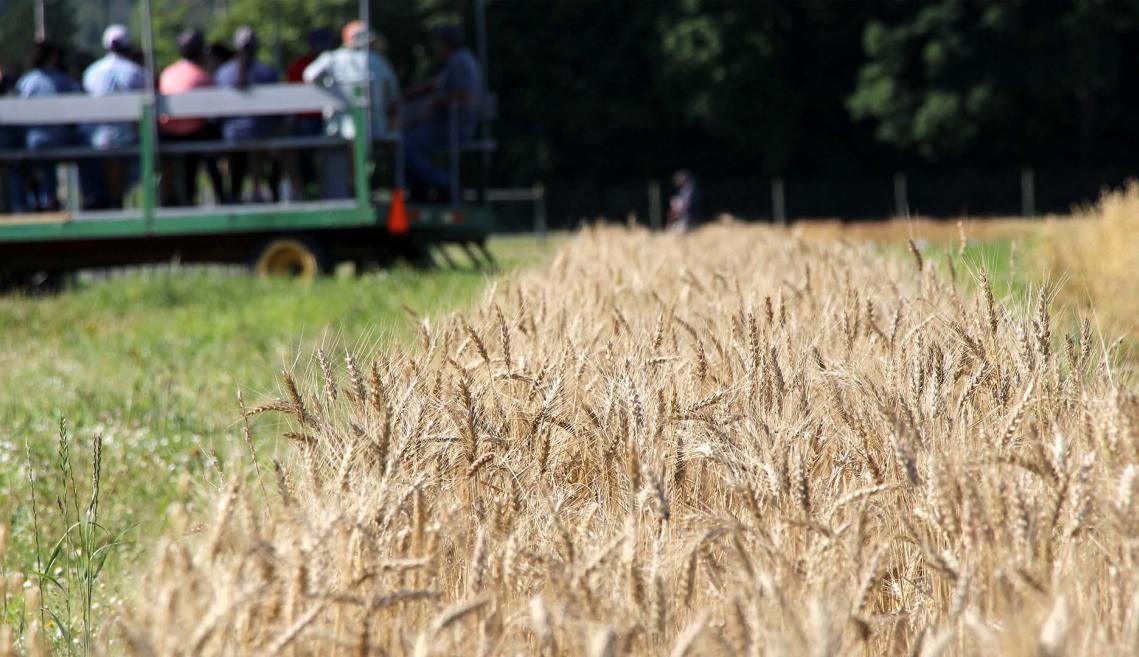
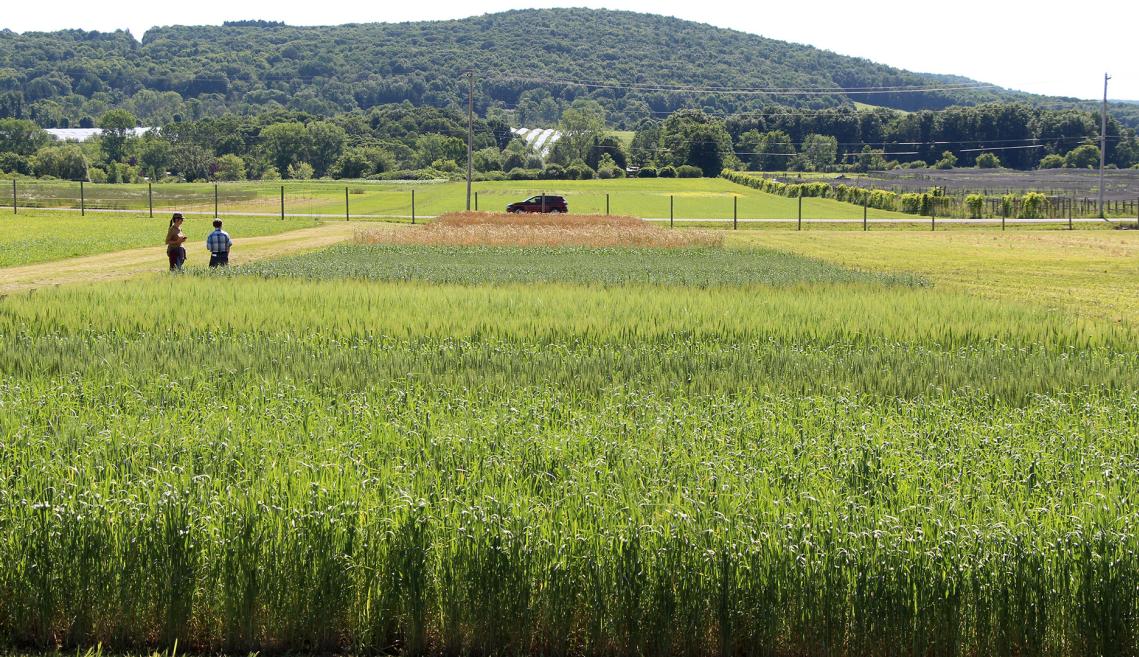
More than 75 growers, researchers, educators, and other seed professionals attended the 2024 Cornell Seed Grower’s Field Day July 2. 

Field tours of research plots adjacent to the NYSIP Foundation Seed Barn east of Cornell’s Ithaca campus featured updates from faculty, staff and graduate students in the Plant Breeding and Genetics Section, School of Integrative Plant Sciences (SIPS) on projects including:

  • Breeding small grains for quality and disease resistance (including varieties of winter wheat, barley, oats, malting barley, emmer, spelt and hulless oats) with professor Mark Sorrells, and others.
  • Alfalfa breeding using USDA seedbank, forage yield trials, and developing varieties compatible with intermediate wheatgrass for grain-forage systems, with assistant professor Virginia Moore, senior research associate Julie Hansen, and graduate student Leah Treffer. 
  • Cover crop and pulse breeding update with research support specialist Solveig Hanson.
  • Hemp fiber variety evaluation with graduate student Luis Monserrate.

In addition, New York State Integrated Pest Management (NYSIPM) director Alejandro Calixto provided an update on how new regulations will affect the use of neonicotinoid insecticide seed treatments.

Field day gallery

Keep Exploring
Several red 'Crimson Beauty" raspberries hang from green leaves and stems.

Report

Relevance Raspberry and strawberry production in the United States is concentrated in California and Florida, where climate variability and rising costs challenge long-term sustainability. Demand for locally grown fruit is increasing, creating...
  • Cornell Cooperative Extension
Charles Midega (left) and Roy Odawa display the Kontiki kiln they modified to make biochar from human feces. Credit: Rebecca Nelson

News

Cornell researchers and Kenyan partners have developed a fertilizer made from human excreta. The product improves soil health and food production, while preventing pollution in informal settlements and the aquatic environment.

  • Ashley School of Global Development and the Environment
  • Global Development Section
  • Agriculture