Back

Discover CALS

See how our current work and research is bringing new thinking and new solutions to some of today's biggest challenges.

Share
  • Cornell Atkinson
  • Charles H. Dyson School of Applied Economics and Management
  • Global Development Section
  • School of Integrative Plant Science
  • Soil and Crop Sciences Section
  • Agriculture
  • Organic
  • Global Development
  • Crops
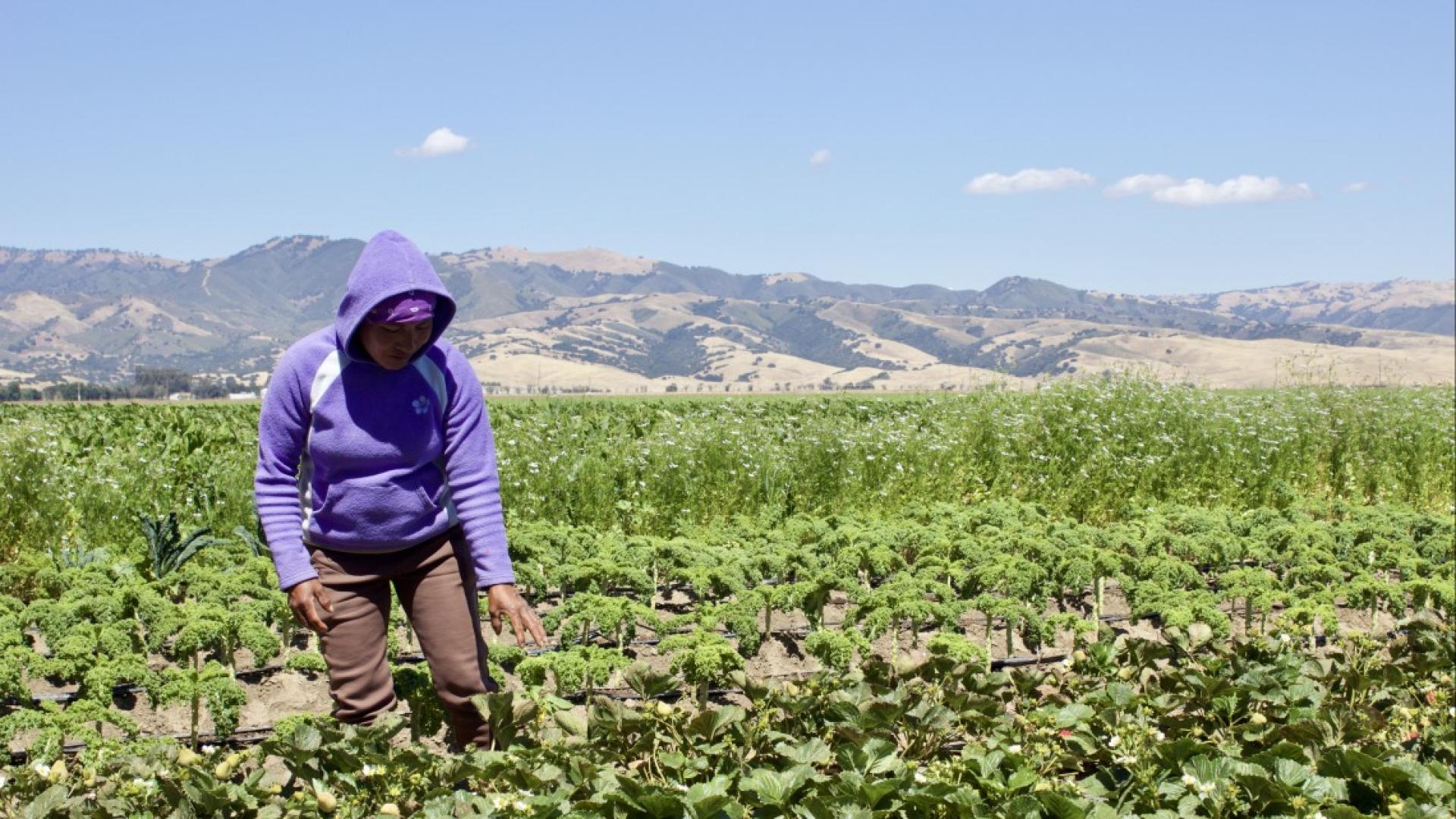
Larger organic farms operate more like conventional farms and use fewer sustainable practices than smaller organic farms, according to a new study that also provides insight into how to increase adoption of sustainable practices.

Larger organic farms operate more like conventional farms and use fewer sustainable practices than smaller organic farms, according to a new study that also provides insight into how to increase adoption of sustainable practices.

Keep Exploring
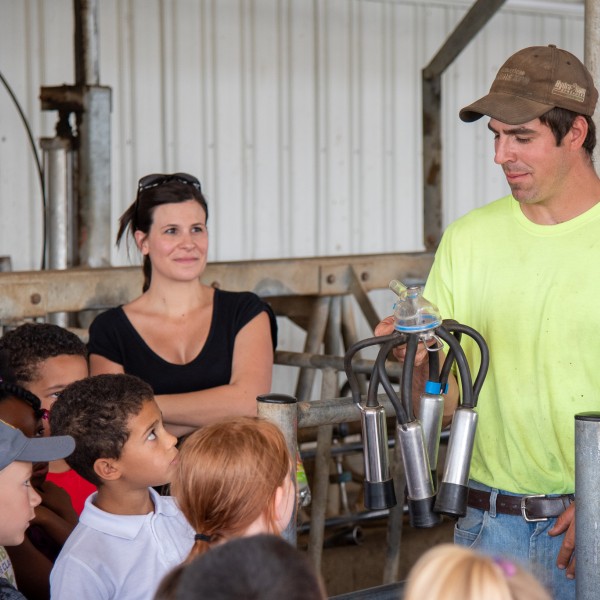
Cheryl on a farm tour with schoolkids. A farmer holds a miling machine in his hand, showing it to the kids.

News

Cheryl Bilinski didn’t just change careers; she swapped a corporate paycheck for a mission to overhaul what lands on a child's lunch tray. As an agricultural economic development specialist with Cornell Cooperative Extension’s (CCE) Harvest New...
  • Cornell Cooperative Extension
  • Agriculture
  • Health + Nutrition
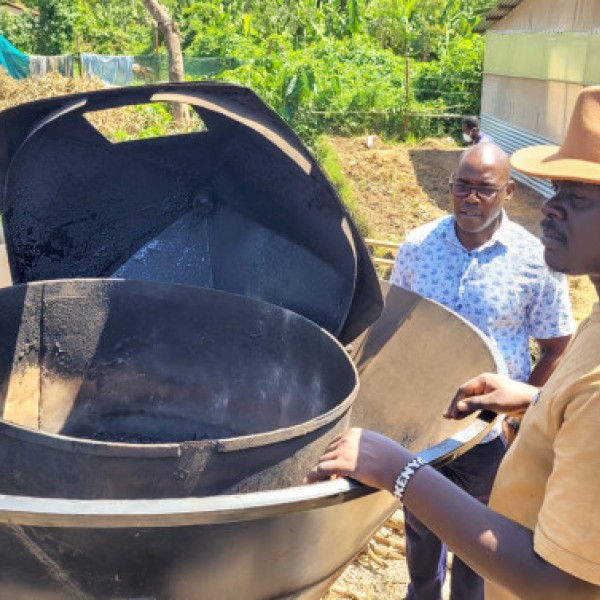
Charles Midega (left) and Roy Odawa display the Kontiki kiln they modified to make biochar from human feces. Credit: Rebecca Nelson

News

Cornell researchers and Kenyan partners have developed a fertilizer made from human excreta. The product improves soil health and food production, while preventing pollution in informal settlements and the aquatic environment.

  • Ashley School of Global Development and the Environment
  • Global Development Section
  • Agriculture