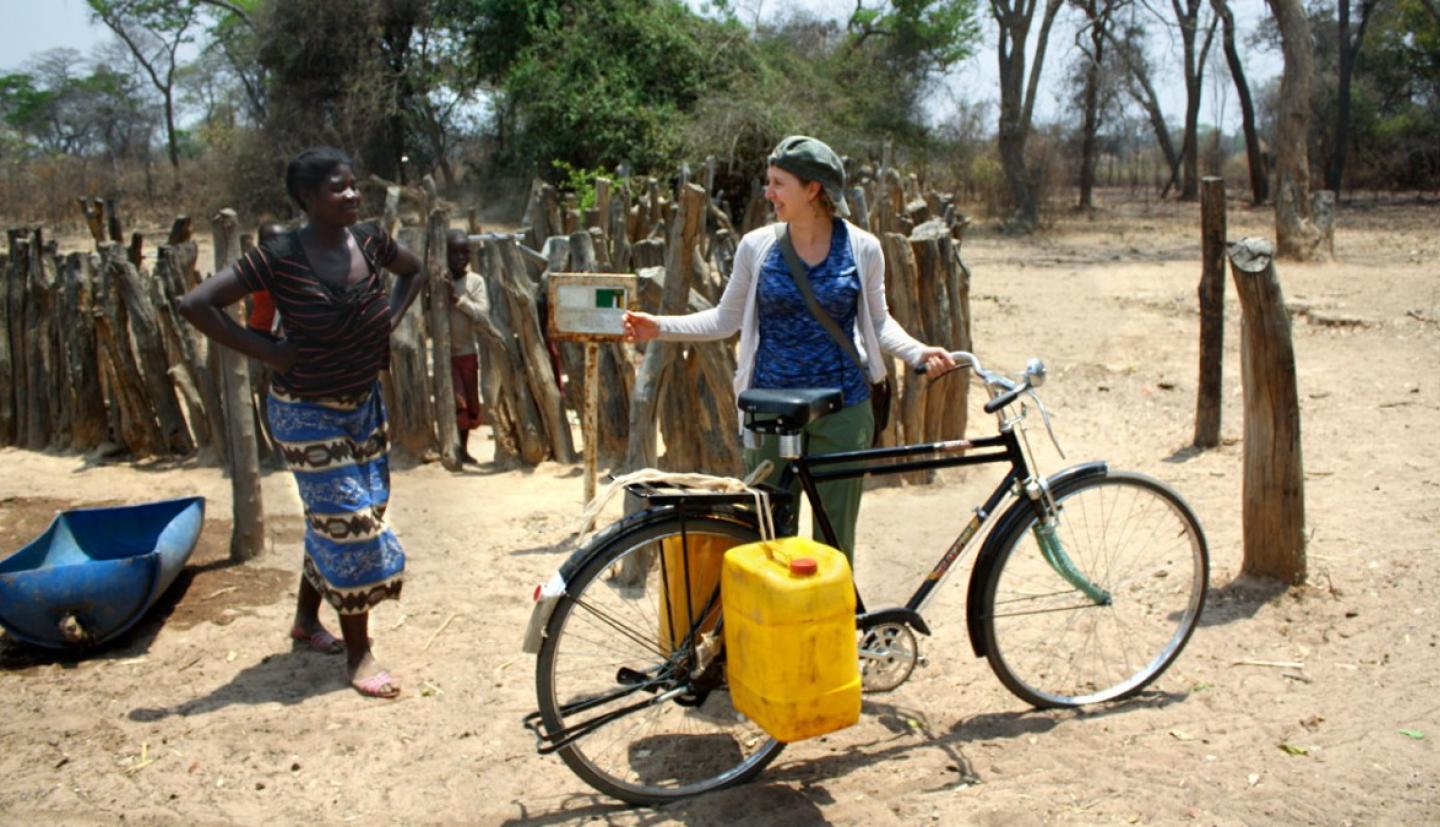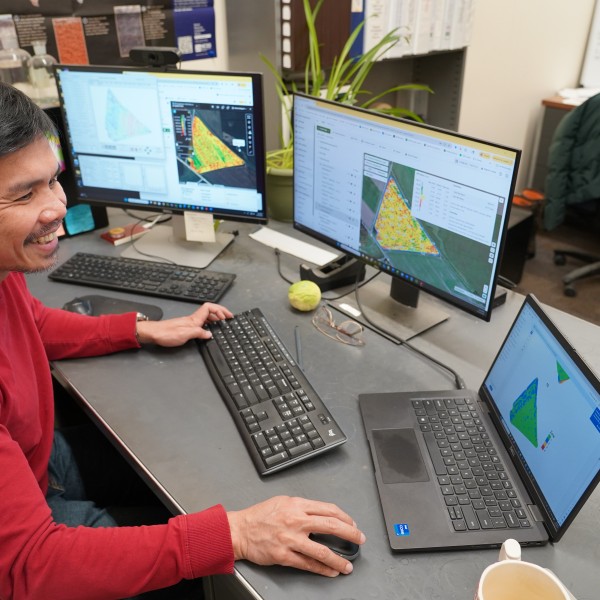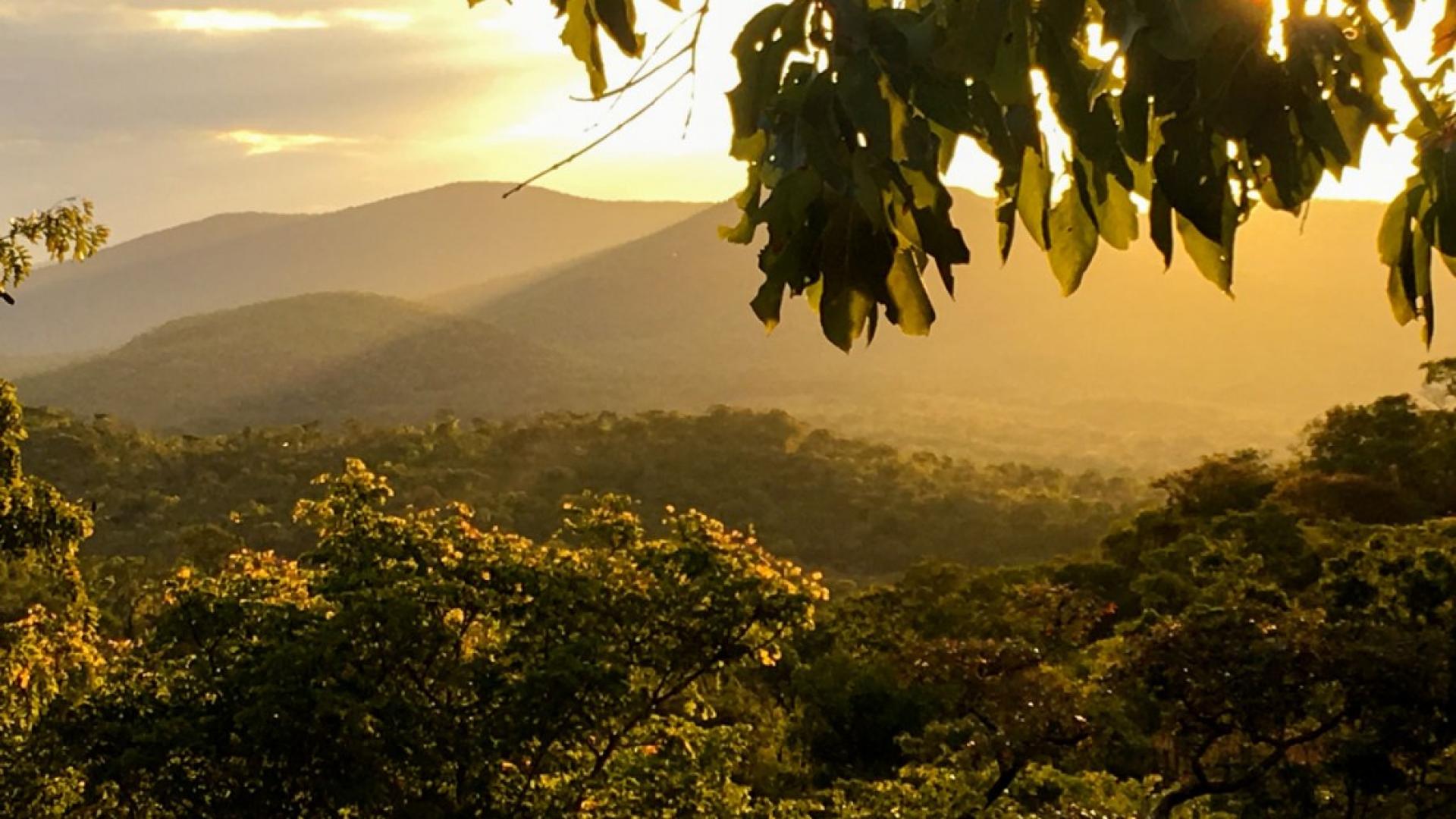
Small farms in Zambia that use the latest hybrid seed for maize, along with improving health on neutral soils, help reduce deforestation and tackle climate change, Cornell researchers report this month in Global Environmental Change.
“Scientists around the world are trying to reduce rapid deforestation and food insecurity, especially in the tropics,” said Johanne Pelletier, a postdoctoral researcher in the Charles H. Dyson School of Applied Economics and Management and the paper's lead author.
“Smallholder farmers are a cornerstone of food security in the world,” Pelletier said. “The main driver of deforestation is agricultural expansion in Africa, South America and Asia. It is important to learn what works at improving food security and keeping forests standing.”
Pelletier conducted this work as part of the NatureNet Science Fellows Program, a joint research project funded by the Cornell Atkinson Center for Sustainability and The Nature Conservancy. She works in the research group led by Chris Barrett, the Stephen B. and Janice G. Ashley Professor at Dyson.
“There are synergies to using a modern hybrid seed and good agronomic techniques to maintain healthy soils with stopping the degradation of tropical forests and halting climate change,” said Barrett, the paper’s senior author.
“Promoting improved maize seed uptake among smallholder farmers – which Zambia and many other governments do – is not only boosting yield, but it is reducing pressure on large forests,” Barrett said. “This is good news.”
This debate on agricultural productivity and deforestation can be traced back to the late Norman Borlaug, a Nobel Peace Prize laureate and father of the Green Revolution, and his hypothesis on agricultural intensification. He believed that the use of better inputs, such as improved seed and organic fertilizer on smaller tracts, would naturally keep smallholder farmers from tearing down the forests.