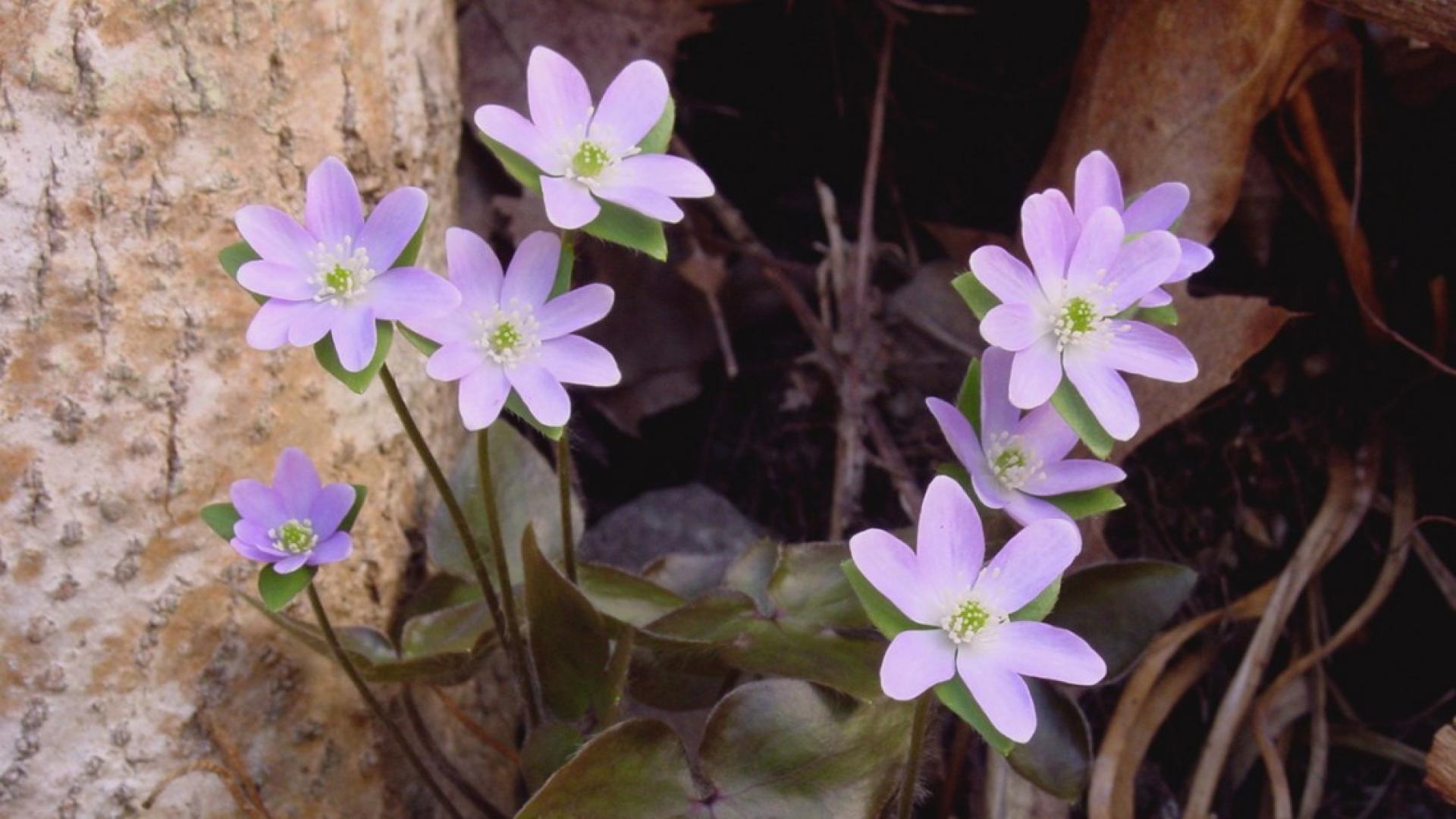
During a typical spring, most Ithaca area third-graders participate in Wildflower Explorations, which includes in-classroom preparation and an instructional visit to the Mundy Wildflower Garden. It is one of the Kids Discover the Trail experience-based programs, where children visit eight cultural and historic sites in Tompkins County during their school years. With schools closed for COVID-19 containment, Cornell Botanic Gardens adapted the program for virtual learning and fun.
Wildflower Exploration at Home includes:
- instructional videos on wildflower anatomy, life cycle and other topics;
- downloadable activities and a virtual collection of wildflowers, including photos and detailed biological and cultural information;
- a virtual tour of the Mundy Wildflower Garden; and
- resources for educators and caregivers to guide young participants.
The program is accessible to anyone seeking engaging educational activities for homebound children. It is most appropriate for children ages 8-10, but is suitable for younger children, as well.
Wildflower Exploration at Home can be used to prepare for an outing to view native spring wildflowers near home, or for a visit to the Mundy Wildflower Garden. It’s also a rich educational experience on its own, thanks to engaging videos and downloadable activities and worksheets. Users should start with the introductory video, then work through the fun, engaging lessons in order.