Back

Discover CALS

See how our current work and research is bringing new thinking and new solutions to some of today's biggest challenges.

|
By Pat Leonard
  • Lab of Ornithology
  • Animals
Share

Travel to Peru to see the flamboyant Andean cock-of-the-rock, or come face-to-face with the show-stopping great gray owl on the fringe of northern boreal forest – all without leaving home, thanks to the new Birds of the World online reference.

Answers to questions about any bird species, anywhere on Earth, can be found in this new digital publication from the Cornell Lab of Ornithology.

“Birds of the World provides scientists, students, bird-watchers and naturalists the sharpest picture yet of the remarkable lives of birds,” said Brian Sullivan, project leader at the Cornell Lab. “Our team has built a fast, easy-to-use platform full of deep content and captivating media that reveals the ecology, biology and true-to-life character of every species.”
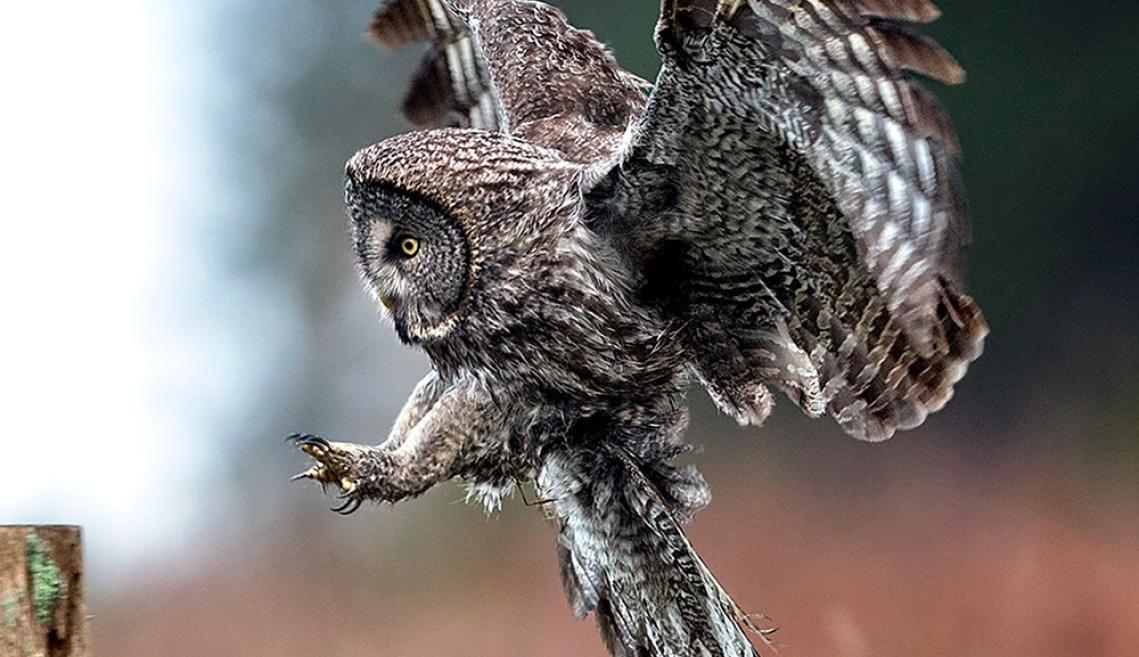

Each species account is enhanced with audio, video and images from contributors around the world.Birds of the World contains 10,721 species accounts and overviews of all 249 bird families. Content includes:

  • detailed life history for every species;
  • taxonomic histories;
  • illustrations of every species and many subspecies;
  • science-based range and abundance maps;
  • image gallery detailing plumages, geographic variation and behavior;
  • an expanding video gallery showcasing bird behaviors; and
  • in-depth audio recordings of songs, calls and non-vocal sounds.

Birds of the World is deeply integrated with two of the Cornell Lab’s signature data archives: images, sounds and video from the Macaulay Library; and scientific maps and charts, developed from data gathered by the global eBird program.

Header Image: The Andean cock-of-the-rock. Image by Lorraine Minns/Cornell Lab of Ornithology

This article also appeared in the Cornell Chronicle.

Keep Exploring

Tree swallow

News

Tree swallows in the northern U.S. and Canada face the greatest risk from climate change despite responding to temperature the same way as tree swallows in the southern U.S.

  • Lab of Ornithology
  • Ecology and Evolutionary Biology
  • Animals
graphic of insects overlaying world map

News

A new estimate of insect species globally finds that there may be 8 to 14 million more species than people thought, with few of them discovered.

  • Entomology
  • Biodiversity