

periodiCALS, Vol. 8, Issue 1, 2018
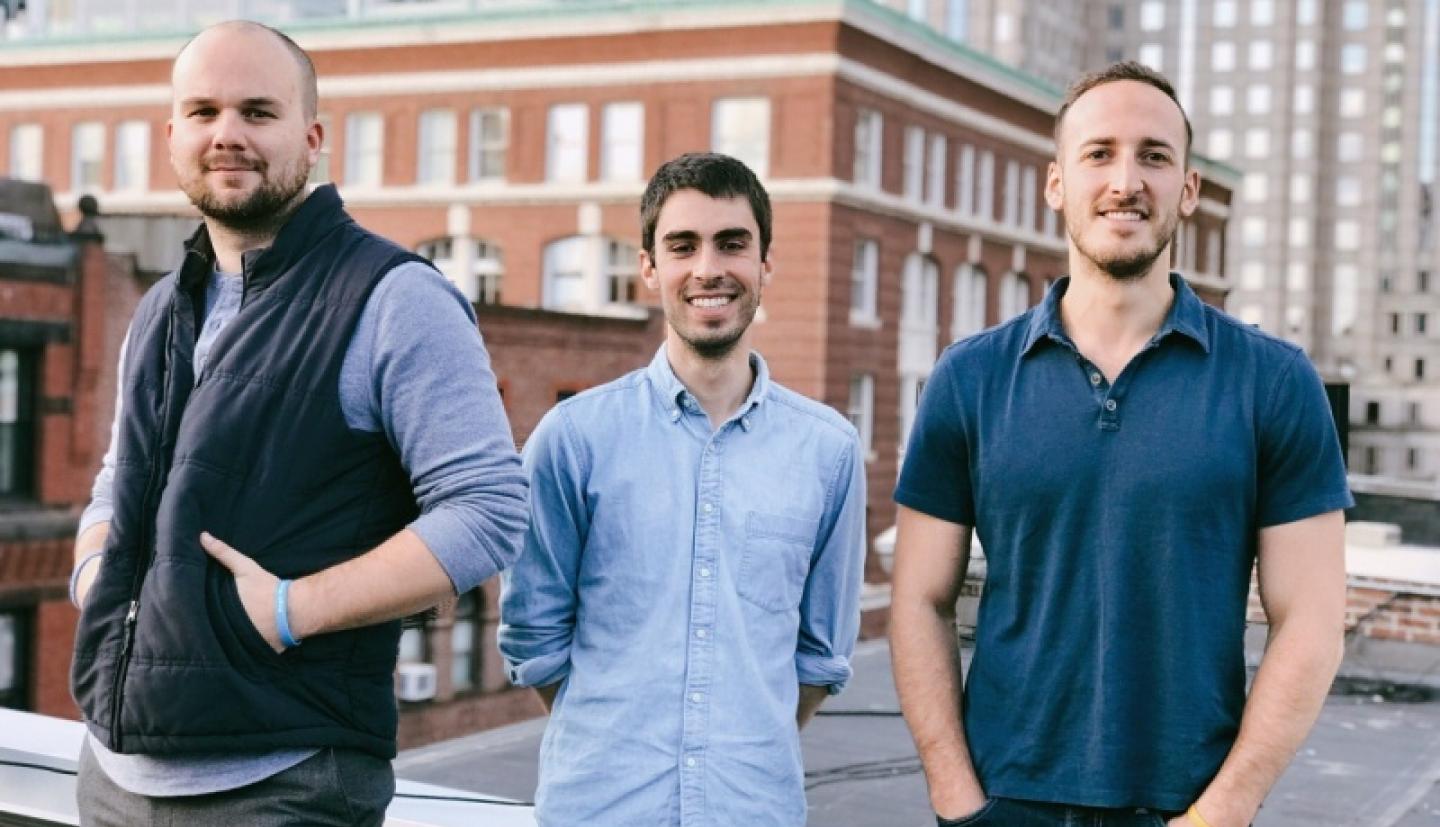
Jake Reisch ’15 is co-founder and CEO of Eversound. The company, based in Boston, has provided more than 40,000 older adults with access to personalized hearing technology and engagement services to improve well-being. Reisch and co-founders Devin Jameson ’16 and Matt Reiners were named to the 2018 Forbes 30 under 30 list for consumer technology.
My Cornell story starts, funny enough, as a student at a different institution. I was enrolled at nearby SUNY Cortland when I took off a semester to work on organic farms and sustainable energy systems in Hawaii. While my feeble attempt to build a landscaping business fell through, I developed a new belief: powerful global change is best done through for-profit business models. I came back to the Northeast with this knowledge, eager to make a difference. I transferred to Cornell inspired to drive change through business.
I believe strongly in the power of entrepreneurship as a mechanism for learning. In 2013, when I was a junior at Cornell, I co-founded Party Headphones with my friend Matt Reiners. The company uses wireless headphones to play music at silent discos. That business is still growing, having provided for thousands of events and nearly a million people.
At the time I was building that business, I watched a loved one move into a senior living community. I saw her and many others struggling with hearing loss, and I thought, “Maybe the technology we are developing could help them?” Matt and I quickly learned that hearing loss is a massive problem, especially among people 80 years and older. Less than 20 percent of people who need a hearing aid actually use them, and those with hearing loss are three times more likely to develop dementia, 54 percent more likely to die prematurely and three times more likely to develop depression. By adapting our technology for those in senior communities, we recognized we could dramatically improve their quality of life.
In 2015, I founded Eversound, with Matt and Devin Jameson ’16. The company offers hearing technology and engagement services for senior living communities to improve the residents’ well-being. The person speaking uses a headset microphone and wireless transmitter to broadcast their voice to everyone in the room. We also provide tools and services to help activity directors deliver entertaining programs to their residents.
My last semester at Cornell was spent walking into every senior living community within 150 miles of Ithaca, asking people to try our technology. We put together our first prototype to test with the residents at Kendal at Ithaca. After the demonstration, a gentleman came up to us, smiling, and said, “Listen guys, even with my hearing aids, this is the first time I’ve actually been able to hear what’s being said.” People just light up when they use our headphones.
We’re thrilled this technology is now in use by numerous top assisted living communities, improving well-being for over 40,000 seniors. The results are staggering, with 28 percent increase in engagement and countless stories of residents completely transformed when they can finally hear again. It’s amazing to see technology have such a dramatic impact on someone’s quality of life.
Cornell’s eLab was a huge part of helping us kick off. We received great advice and were connected with people who could take our idea to the next level. Red Bear Angels, an angel group that invests in Cornell University’s most promising startups, was one of our first investors. Others were current and emeritus members of the Cornell Board of Trustees. I now serve on the Advisory Council for Entrepreneurship@Cornell. These programs were so critical for the initial success of our companies that I want to give back by helping future student entrepreneurs.


