

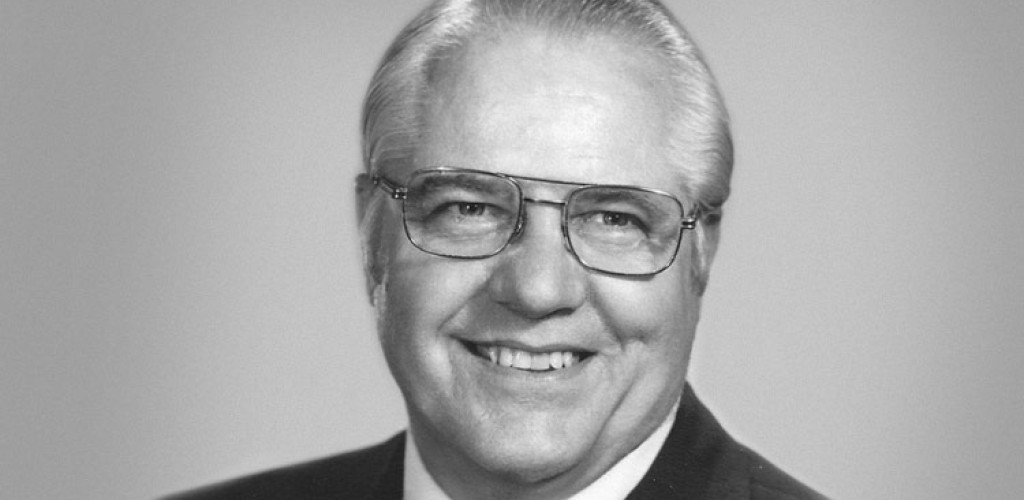
Professor Emeritus Harold Rigby Capener, Ph.D ’51, who chaired the Department of Rural Sociology from 1966 to 1976, died Oct. 13, 2016, at 97 in his native Utah.
He served as a Marine captain in World War II and saw combat in the Pacific theater. After the war, he pursued a doctorate in rural sociology at Cornell. His career encompassed service with the U.S. Public Health Service, an assistant professorship at Ohio State University, and six years in India with USAID. There, he participated in the creation of the Punjab Agricultural University and worked directly with village leaders and farmers in adopting new agricultural methods instrumental in the country's Green Revolution, which helped to make India self-sufficient in food production.
He returned to Cornell in 1964 as a full professor in the College of Agriculture, and he continued to support international rural development projects in Brazil, Yemen, Pakistan, Guatemala, Egypt, and Liberia. He retired from Cornell in 1986.
Max Pfeffer, CALS senior associate dean and professor in the Department of Development Sociology, said, “Professor Capener played an important role in the long history of international engagement by social scientists in the College of Agriculture and Life Sciences. The Department of Development Sociology, in particular, proudly continues to focus on international development in the tradition of Professor Capener.”
Capener served as president of the National Rural Sociological Society. An active member of the Mormon church, he served for 14 years as a district and stake president in Ithaca.
He is survived by three sons, Brian ’69, Chris ’76, and Robert ’77.


