A diverse group of researchers has teamed up to develop a therapeutic treatment for citrus greening disease, a bacterial infection that threatens U.S. citrus crops.
The team received a five-year, $10 million United States Department of Agriculture (USDA) Specialty Crop Research Initiative grant to find a solution. The researchers will meet June 17-19 at the Arthropod Genomics Symposium at Kansas State University in Manhattan, Kansas, to kick off the initiative.
“We are taking a systems approach to bring newfound knowledge from our laboratory studies to the orchard quickly and safely,” said Susan Brown of Kansas State, principal investigator. They plan to work closely with growers to develop a treatment and delivery method that can be rapidly commercialized.
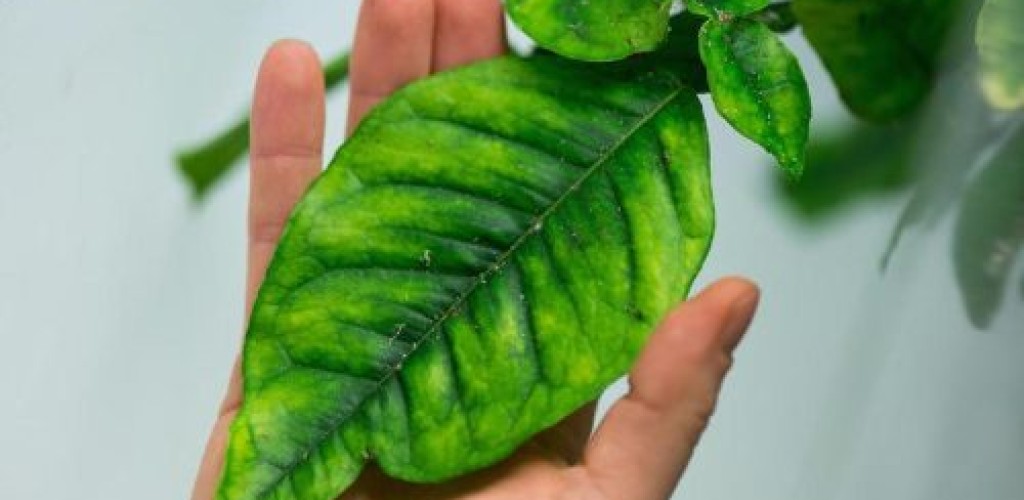
A bacterial species called Candidatus Liberibacter asiaticus, or CLas, causes the infection and weakens trees, resulting in small, unripe fruits. A sap-sucking insect called the Asian citrus psyllid spreads the bacterium as it feeds. The plague surfaced in Florida in 2005 and has since spread to 70 percent of the state’s trees, despite increased pesticide use. Growers in Texas also have made isolated reports.
The researchers will use a comprehensive approach that considers every gene, protein and metabolite from all three components of the problem – the bacterium, insect and citrus – to find an effective treatment. They hope to block further transmission of CLas between trees while also curing existing infections.
Michelle Cilia of the Boyce Thompson Institute and the USDA-Agricultural Research Service (ARS); Robert Shatters, of the USDA ARS station in Fort Pierce, Florida; and professor John Lis of Cornell University are targeting therapies either to kill the Asian citrus psyllid when it feeds on the plant or block the bacterium from colonizing the insect.
Cilia will work to identify key protein interactions that occur during transmission of the bacteria and will test potential therapeutic compounds in the greenhouse. “These protein or RNA molecules can be delivered from within the tree so that the psyllids get these [bacteria] blockers as they’re feeding,” she said.
Carolyn Slupsky of the University of California, Davis, will track the wide variety of metabolites produced by the psyllid – with and without the bacterium – as well as metabolic changes that occur within the tree after infection.
Meanwhile, bioinformaticists in the lab of Lukas Mueller at the Boyce Thompson Institute are building a citrus greening portal to handle data the group will generate.
“This is a higher-level problem that goes across multiple organisms,” said bioinformatics analyst Surya Saha at the Mueller lab. “We want to build new tools that can help people connect the interactions between genes, proteins and pathways across the bacterium, the insect and the citrus plant.”
Additionally, collaborators at the USDA ARS station in Fort Pierce, Florida, will create an easy-to-use interface that lets users manipulate 3-D images of the insect to learn about individual organs, important proteins and relevant scientific studies.
For a longer-lasting solution, USDA ARS horticulturist and geneticist Ed Stover is working on citrus greening disease-resistant transgenic plants. “It’s very exciting to bring all of these new technologies to bear on such an important problem,” said Stover.
This article was originally published in the Cornell Chronicle.