Back

Discover CALS

See how our current work and research is bringing new thinking and new solutions to some of today's biggest challenges.

Share

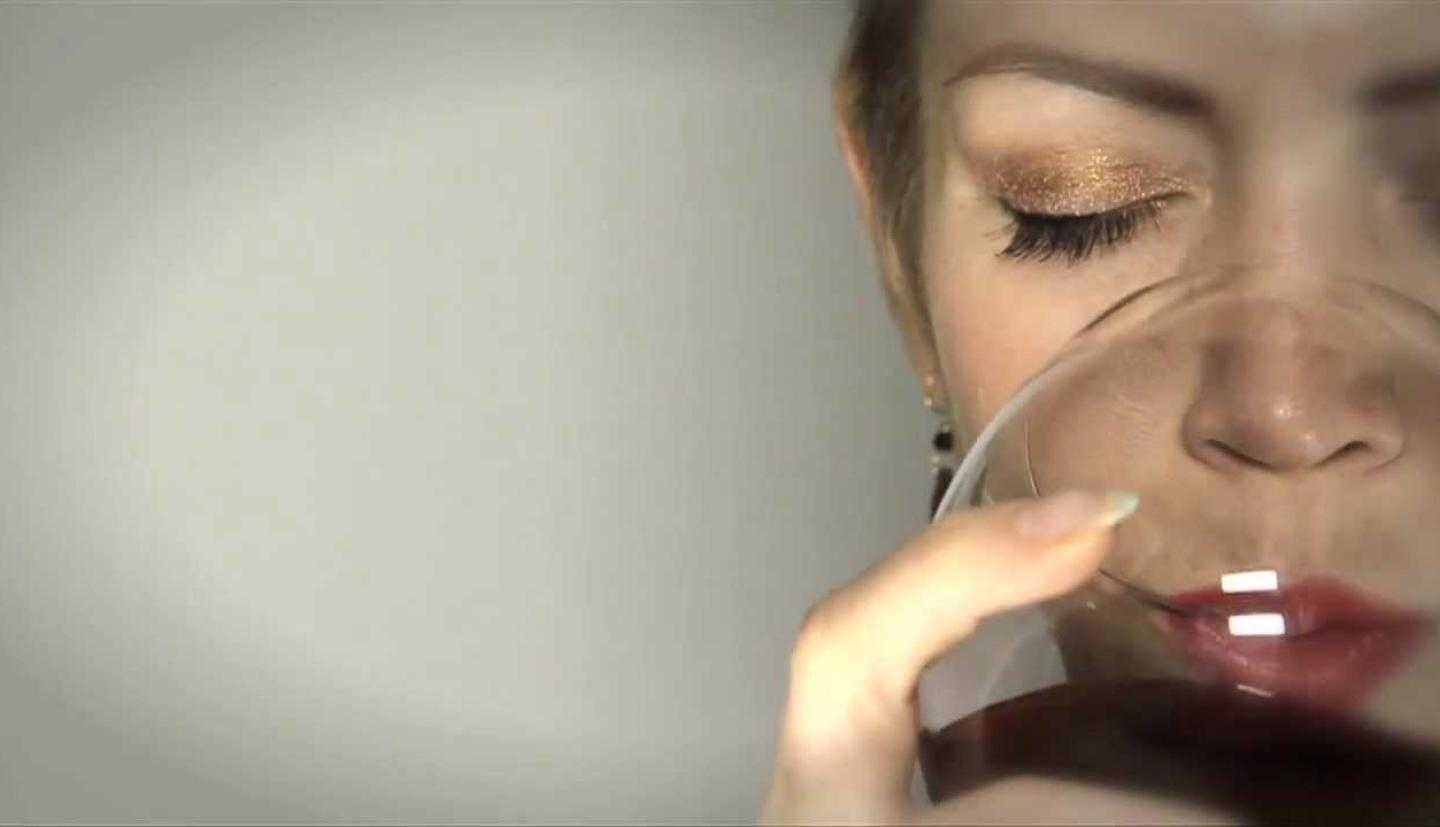
Next time you’re trying to decide between that expensive French Cabernet or Two-Buck Chuck, take a look at what Brian Wansink, John S. Dyson Professor of Marketing and director of the Cornell Food and Brand Lab, has to say about the role that external factors like social cues and environmental changes play in our perceptions of the flavor of wine. 

According to Wansink, who spoke to NPR’s Science Friday as part of an ongoing series on the science of wine,“how we interpret the taste of something largely has to do with what we think it’s going to taste like.” This means that everything from the design of the label to an approving nod from a sommelier can have a huge impact on our appreciation of what’s in the glass. Thus, when savoring wine, perception truly is reality. 
Keep Exploring

Several red 'Crimson Beauty" raspberries hang from green leaves and stems.

Report

Relevance Raspberry and strawberry production in the United States is concentrated in California and Florida, where climate variability and rising costs challenge long-term sustainability. Demand for locally grown fruit is increasing, creating...
  • Cornell Cooperative Extension
Charles Midega (left) and Roy Odawa display the Kontiki kiln they modified to make biochar from human feces. Credit: Rebecca Nelson

News

Cornell researchers and Kenyan partners have developed a fertilizer made from human excreta. The product improves soil health and food production, while preventing pollution in informal settlements and the aquatic environment.

  • Ashley School of Global Development and the Environment
  • Global Development Section
  • Agriculture

