


Spring brings a flush of growth and activity. It also brings pests that can damage our homes and cause disease. We have pest specific information to help manage our most common intruders.
Featured Resources
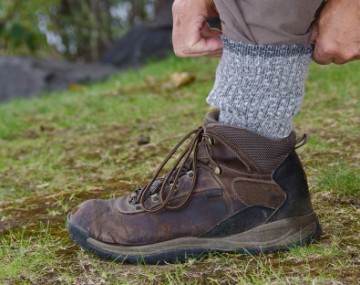
How do you protect yourself from ticks if you're unlikely to notice them walking on you or feel their bites?
It’s Spring, and the urge to get outside and work in the yard is mounting. When it comes to your lawn, what should you be thinking about and doing as April progresses?
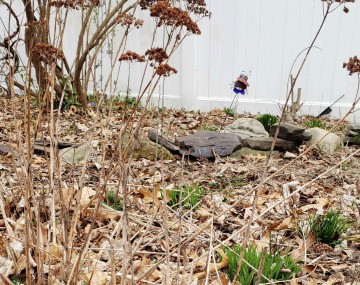
Cleaning up the garden beds in early Spring can seem like it should top the outdoor activity to-do list. Not so fast, warns Cornell IPM biocontrol expert, Amara Dunn-Silver—there are real benefits to holding off for a while.
Common Spring pests

Of the 12,000 ant species worldwide, only about 50 become household pests. In North America the number is even lower.
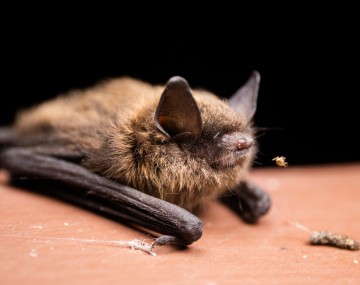
All bats in the Northeast are insect-eaters, making them environmentally and economically important. They are good to have around.
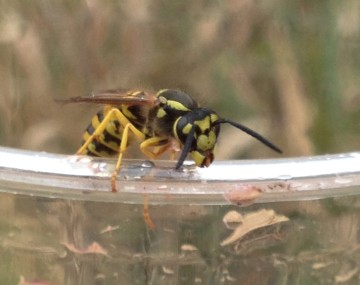
No insect can clear people from a picnic table on a sunny day like a yellowjacket (a type of wasp). Bees and wasps nest and forage naturally around us, so understanding them is helps minimize the risk of being stung.
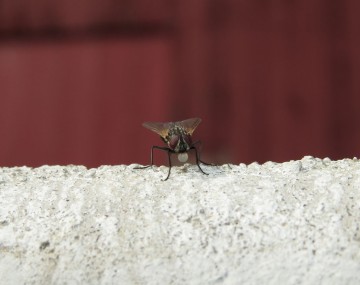
Non-biting flies—a vast group of insects that includes houseflies, the most common of pests.
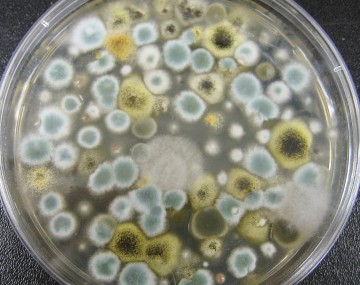
Though not your traditional indoor pest, these fungi are potential and serious problems. Mold spores are naturally occurring in indoor environments and will grow on a variety of surfaces when adequate moisture is available.

Mosquitoes are flying, biting insects well known for the annoying whine of their flight and the itchy bites they leave behind. Mostly just a nuisance, some species in New York also can transmit the pathogens that cause Eastern equine encephalitis and West Nile virus.

There are 17 species of snakes that call New York home, three of which are venomous (but with limited distribution). They track down food such as birds, mice, frogs, and bugs.
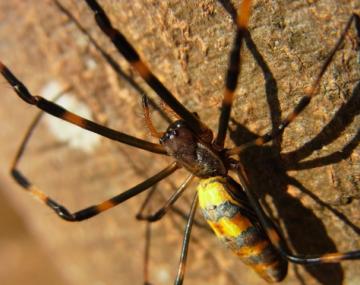
While not everyone loves spiders, they do manage to make themselves useful in the natural world and can be interesting to study. Remove them from your home if you will, but refrain from using pesticides when possible.

An invasive species formerly known as gypsy moth, that's been plaguing our forests and landscapes on and off for over a century.
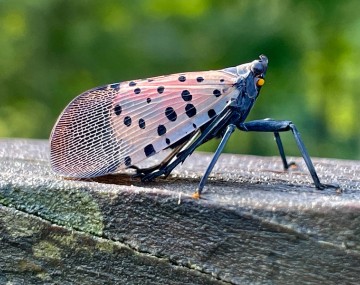
Spotted lanternfly is an invasive species. It does not bite or sting but is having an economic impact on NYS agriculture.
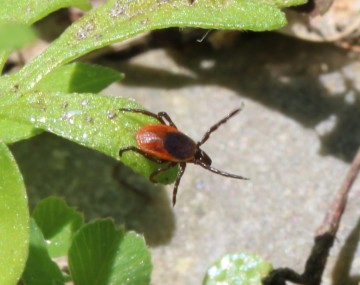
Ticks are arachnids closely related to mites and spiders. All stages of ticks (except eggs) feed on blood for energy to grow and later reproduce. Several tick species are a human health concern in New York.
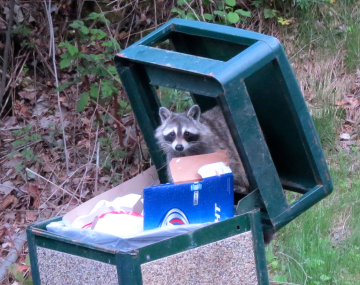
We often love seeing wildlife, but sometimes there are unintended consequences. Animals like raccoons, squirrels, woodchucks, moles, and voles can be nuisances to homeowners and property managers by causing property damage and sometimes posing health risks.
Recorded presentations on Spring IPM

Webinar

Webinar
Webinar