Roles and responsibilities
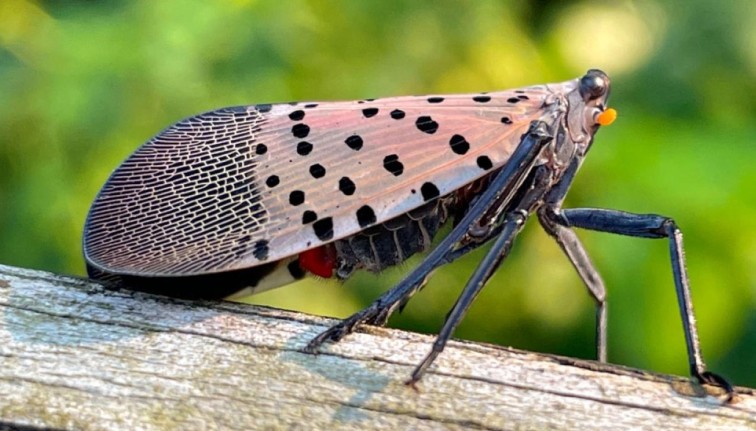
The intern will receive training in insect and host identification, as well as vineyard scouting by shadowing CALS Entomologists, Invasive Species Specialists, CCE agents, and Finger Lakes PRISM personnel. Working with CCE and CALS mentors, the intern will organize and develop outreach materials to be distributed to guests at vineyards throughout the region. Activities will focus on high-risk zones, identified in part by the intern, including locations near known infestations, high-traffic corridors such as major roads and wine trails, and areas close to state border crossings. The incumbent will record metrics on program impact, such as keeping track of materials distributed and counts of public engagements. They will also attend extension meetings and accompany CALS and CCE personnel during farm visits to assist with SLF scouting and to gain experience in grower-CCE interactions, and will assist in applied research projects as needed. This position requires regional travel during work hours as well as participation in bi-weekly grower Tailgate meetings (4:30-6:00 PM). It also will require working outdoors in sometimes unfavorable conditions.
Qualifications and previous coursework
This opportunity is available to non-graduating students in Cornell University's College of Agriculture and Life Sciences.
- Applicants will be required to possess a valid driver’s license and be willing to regularly travel regionally, occasionally up to 100 miles in a day.
- They must also be willing to attend bi-weekly extension meetings after hours (4:30 – 6:00 PM). The aim of this opportunity is to train the next generation of extension personnel by providing practical extension experience.
- Qualified applicants will be interested in improving their skills in the following areas:
- developing their oral and written communication skills
- becoming comfortable communicating with growers and the public
- improving organizational skills, and developing their enthusiasm for public and grower outreach
- Education in related fields, including but not limited to entomology, plant pathology, viticulture, environmental science, horticulture, and or marketing / communications would be beneficial
Learning outcomes
The aim of this internship is to provide meaningful extension and outreach experiences that both support the grape grower community and help interns make informed decisions about their future career paths. The intern will learn about the grape and wine industry and gain insight into how universities, extension programs, government agencies, industry groups, and non-profit organizations collaborate to support agriculture. The intern will develop practical plant and insect identification skills and learn how insect pests impact grapevines. They will also gain experience organizing educational initiatives, creating outreach materials, and collecting metrics to evaluate program impact.