Roles and responsibilities
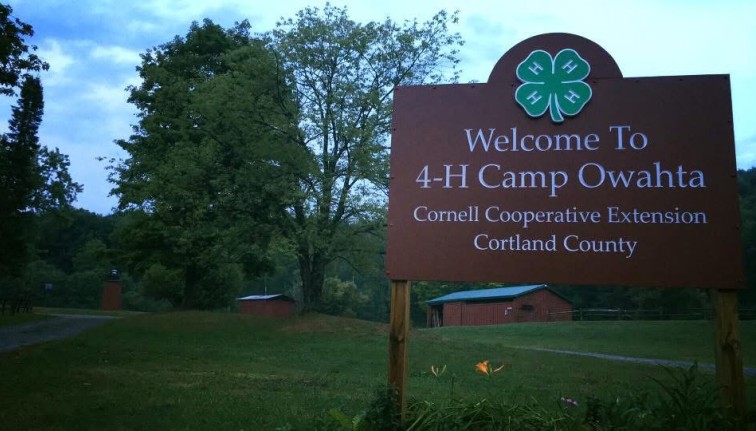
The student intern will create a clear, usable documentation set to support next-step planning and fundraising for 4-H Camp Owahta. They will compile and organize existing site information, conduct an on-site inventory (photos, measurements where feasible, and notes on conditions and an inventory of buildings/areas), and build an updated base map showing key buildings, circulation routes, and program areas. Using the completed needs assessment, the intern will translate priorities into a simple space/program requirements list and adjacency diagrams. They will develop several “test-fit” concept layouts that explore how program needs could be accommodated across the site while respecting constraints and preservation considerations. The intern will package materials into an editable set of files plus a short summary deck for staff discussion. They will meet regularly with CCE staff/mentors to review progress, incorporate feedback, and document decisions and next steps.
Qualifications and previous coursework
This opportunity is available to non-graduating students enrolled at Cornell University outside the College of Agriculture and Life Sciences (CALS) and the College of Human Ecology (CHE).
- An ideal intern candidate would be a student in architecture, landscape architecture, planning, or a related design field with coursework that supports basic site documentation and early concept work.
- They should have completed introductory studios (or equivalent) covering site analysis, spatial programming, and diagramming, and be comfortable producing clear drawings and graphics.
- Experience with CAD and/or GIS (e.g., AutoCAD, Rhino/SketchUp, ArcGIS/QGIS) and Adobe Creative Suite (Illustrator/InDesign/Photoshop) is strongly preferred so they can create an editable base map, diagrams, and presentation-ready materials.
- Familiarity with field documentation methods, measuring, photo logging, organizing existing drawings, and translating observations into plans, is important.
- The student should be able to work independently, manage files carefully, and communicate progress regularly with CCE staff.
- Interest in community-based work, camps/outdoor sites, and preservation or working within existing site constraints would help them be especially successful.
Learning outcomes
By the end of the internship, the student intern will be able to document an existing camp site through a structured conditions inventory and translate that information into an accurate, usable base map. They will strengthen skills in site analysis, spatial programming, and adjacency planning by converting a needs assessment into clear requirements and diagrams. The intern will gain experience developing early “test-fit” concept layouts that respond to real-world constraints (existing buildings, circulation, landscape, preservation considerations, and budget/feasibility realities). They will practice producing professional-grade visual communication materials, plans, diagrams, precedent/imagery boards, and a concise presentation deck, for non-technical audiences. The intern will also learn collaborative workflows, including incorporating stakeholder feedback, maintaining organized project files, and presenting design ideas clearly to community partners. Overall, they will gain first-hand experience working on a real community-based project with tangible deliverables that support future planning and fundraising.