Back

Discover CALS

See how our current work and research is bringing new thinking and new solutions to some of today's biggest challenges.

Share
  • Animal Science
  • Agriculture
  • Field Crops

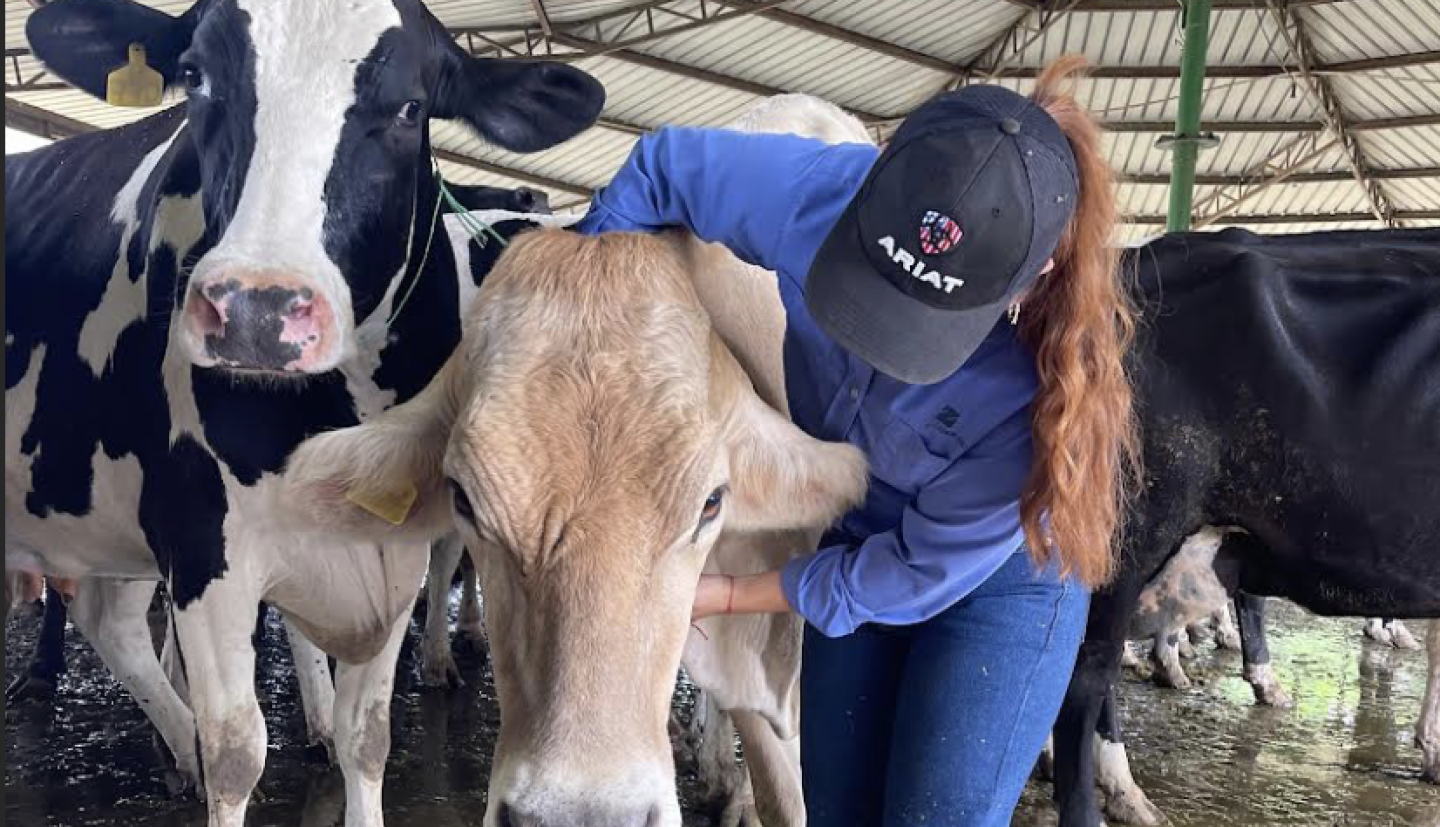
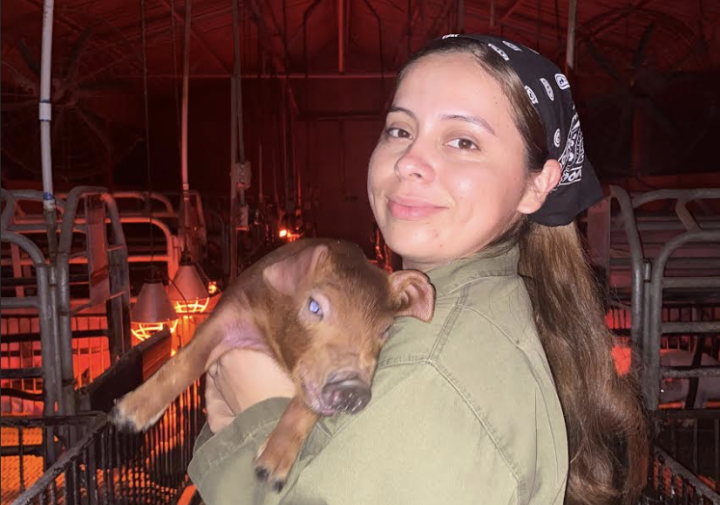
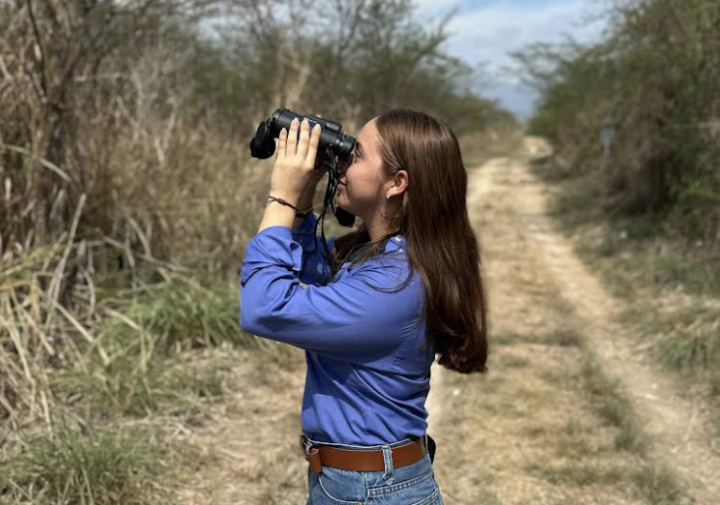
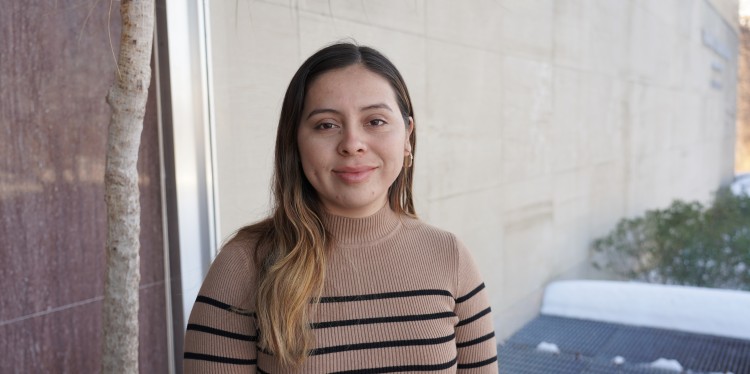
Hailing from Belize, Gabriela Garcia joined Cornell CALS’ Nutrient Management Spear Program (NMSP) as an intern in January 2026 from Zamorano University, located in Honduras. This semester, she will be working alongside Carlos Irias on the rainfall simulation project. We sat down with Gabby to learn more about what brought her to NMSP and what she’ll be working on with the team.

Share a little bit about your first experiences with agriculture.

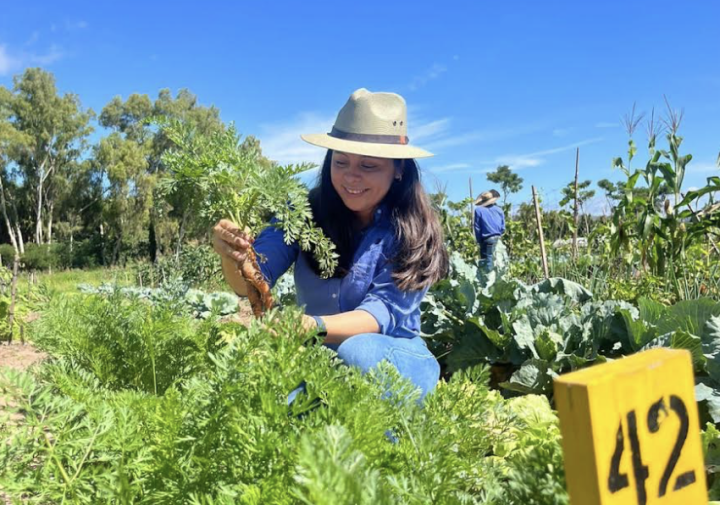
Belize, where I’m from, is known for its agriculture. We grow many fruits — oranges, bananas, limes and more. Growing up, my dad has always been a plantain farmer. This was my first introduction to agriculture, but going to school and learning more about the whole cycle of agriculture is really what made me passionate about it.
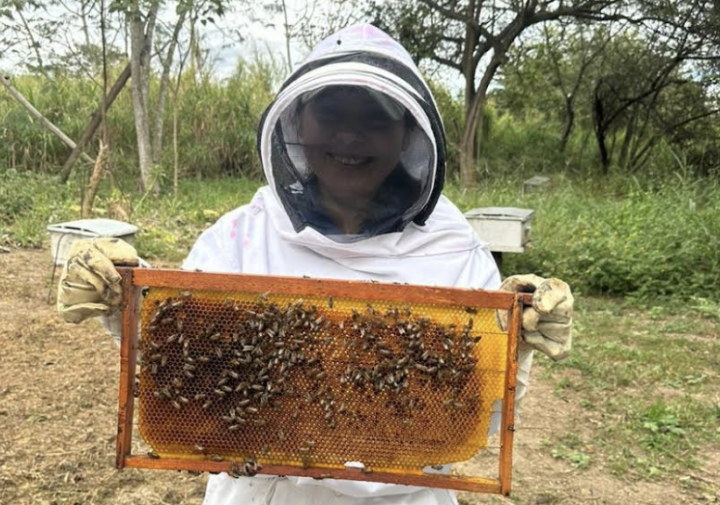
I know that you’ve had an interesting path to finding your passion. Tell us more about your journey up until your time at Zamorano and how it influenced you.

I started out by getting my associate’s degree in biology from Independence Junior College in Belize. After that, I worked for a while, managing the purchase and distribution of materials for farms — things like boxes and bags, the hard goods. As a part of this job, I also was responsible for making sure that the resources we were providing were being used efficiently, not wasted. 

This job gave me a lot of familiarity with agriculture and was part of what drove me to attend Zamorano University, where I am studying agricultural sciences and production.

I can see how that would have a big impact on you. So, why did you choose to intern with the NMSP?

Many farmers that I know in Belize don’t fully know the importance of their soil and what it needs to better support productivity. This is understandable, but also very fixable. 

From my first year studying at Zamorano, I started learning much more about soil. 

I started reading more about plants and soil and how the whole cycle works. Now, I just want to continue learning about this until I feel knowledgeable and confident enough to be able to teach others back in Belize what I’ve learned. Getting broader experience, being able to talk to experts on the NMSP team — all of this contributes to that knowledge and confidence and to accomplishing my long-term goals.

How do you think your past experiences will help you during your time with the NMSP team?

In my last job, I was the youngest person working there, and I learned very quickly how important it is to ask questions. No questions are dumb; that’s the way you learn. I think that knowing this will help me learn from others on the team about the bigger concepts that I’m curious about, while also supporting my ability to do my best in this position. 

What are you looking forward to the most?

I’m excited to get the chance to learn from the experts about soil science. I love working with soil and working in labs. The lab can teach you so many things. I’m also excited to try the new equipment available here and the different methods that aren’t used at Zamorano.

How do you think your experience here will support your future career?

I would really like to help my dad in the future. He has a big plantain farm and not enough time to manage it, he could really use a hand. I would love to earn a master’s degree, maybe even a doctorate. Someday, I hope to have my own business and to use what I’ve learned to support my father’s farm. 

I’m happy to be here as a part of this group of people and NMSP. I would really like to take this opportunity to grow and learn as much as I can to help myself and the world. I want to go and share this information, it’s so important — and I know that when I want something this badly, I’ll achieve it.

Madeline Hanscom ‘22 is the communications assistant for the Nutrient Management Spear Program.

Keep Exploring

Cropland map

News

The new, high-resolution maps calculate global emissions from croplands by region, crop and source – enabling hyper-local mitigation.

  • Ashley School of Global Development and the Environment
  • Global Development Section
  • Agriculture
two men and a woman sit at a table talking with a schematic of farm and data on a view screen next to them

News

by Jackie Swift Farms generate huge amounts of data. A dairy farm in the United States, for instance, will typically produce data that tracks herd health and breeding, and milk production and quality, for a start. If the farm also grows its own...
  • PRO-DAIRY
  • PRO-LIVESTOCK
  • Animal Science