

Alex Koeberle defended his thesis “POPULATION ECOLOGY OF ALEWIFE AND CISCO IN LAKE ECOSYSTEMS” and is now Dr. Alex Koeberle. Dr. Koeberle worked in two New York lakes – Keuka Lake and Otsego Lake – where the alewife population had declined drastically and evaluated causes and consequences of an alewife collapse using the wealth of data collected on these ecosystems by New York State, Oneonta Biological Field Station, and the Keuka Lake Association. The reasons for the collapse were different in the two lakes. Lake trout predation and two harsh winters led to the collapse in Keuka Lake and lower productivity coupled with lake trout and walleye predation caused the decline in Otsego Lake. Dr. Koeberle also used new technologies to study the potential to reintroduce the native fish cisco into Keuka Lake (eDNA and acoustic telemetry). He used this information to estimate cisco mortality and population models to predict the number of cisco needed to be stocked to establish the population. His analysis showed that stocking cisco may not be a feasible method given that the large number of fish needed to overcome high early mortality exceeds the current production capacity of New York State unless methods are developed to decease the early mortality associated with stocking. His work gave new insights to alewife collapse and the importance of mid-trophic levels in food webs as well as native fish restoration, important contributions to both ecology and management. His advisors were Suresh Sethi and Lars Rudstam (co-chairs) with Evan Cooch and Brad Hammers as committee members.
Keep Exploring
News
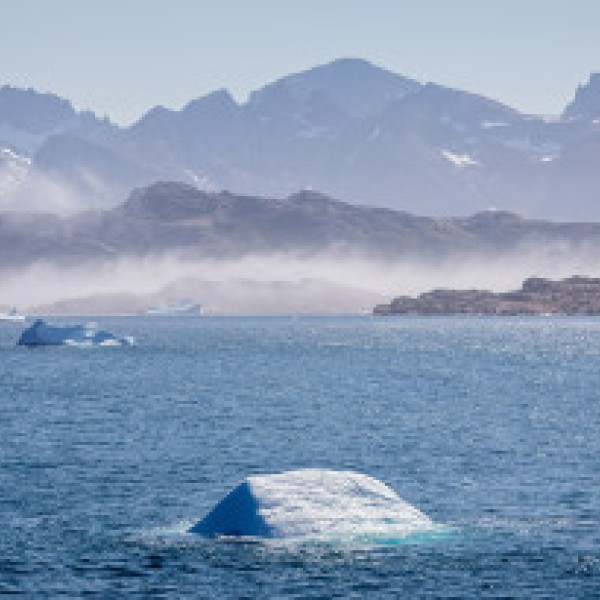
The mixing waters in the Labrador Sea, sandwiched between Greenland and Newfoundland, provides enough oxygen to sustain life throughout the deep North Atlantic Ocean.
News
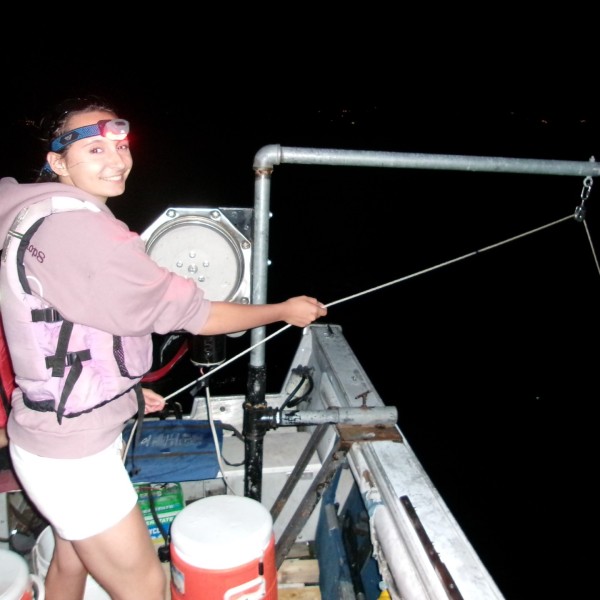
Autonomous drones are taking center stage in fisheries assessments across the Great Lakes. These drones deploy acoustic technology which tracks and quantifies fish populations. Acoustic surveying, which utilizes beams of sound, has traditionally...

We openly share valuable knowledge.
Sign up for more insights, discoveries and solutions.
Please enter a valid email address to subscribe to the newsletter.