

Taylor Brown is a new PhD at the Department of Natural Resources and the Environment. Taylor defended her thesis “A tale of two species: Coregonine early life history and recruitment dynamics across the Laurentian Great Lakes “ in October 2025 after presenting her work in DNRE’s seminar series the previous day. For her PhD, she assembled a large data set on Lake Whitefish and Cisco recruitment in the Great Lakes using the multitude of surveys conducted by US, Canadian, and Tribal agencies. This revealed striking differences between these two coregonid species, work published in ICES J Mar Sci as an Editor’s Choice article. She then compared recruitment patterns with ecological and climatic data from around the Great Lakes looking for patterns explaining recruitment of these two species. This is critical information needed to maintain a sustainable fishery for these culturally and economically important native species. The different responses of the two species indicate that recruitment is strongly affected by processes occurring after the larval stage, since both species largely share the same environment at embryonic and larval stages. This points to processes associated with changes in the benthic environment for Lake Whitefish, primarily the decline in a key prey species, the amphipod Diporeia, through effects of quagga mussels. Her work today has led to four published papers on this topic with two more coming in the next few months and awards from both the International Association for Great Lakes Research and the American Fisheries Society. Taylor very much appreciated the many people that contributed data and insights to her studies. Her committee consisted of co-chairs Suresh Sethi and Lars Rudstam, Steve Moreale from DNRE, and USGS scientists Brian Weidel and Andrew Honsey. Her PhD work was funded by the Great Lakes Fishery Commission. Dr. Brown is now a postdoc at the USGS Hammond Bay Biological Station addressing key knowledge gaps for Cisco and Lake Whitefish early life stage ecology that will directly inform their restoration and management in the Great Lakes.
Keep Exploring
News
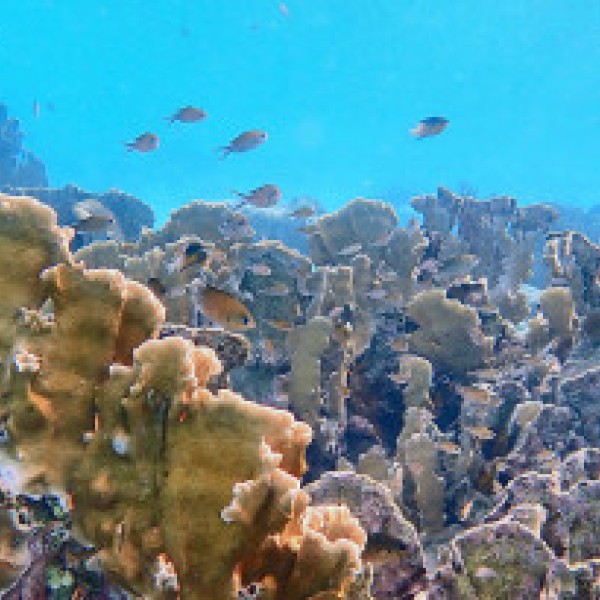
A doctoral student and a team of Cornell researchers and colleagues created WildFin, a data set composed of nine hours of video that they labeled frame-by-frame with fish behaviors.
News
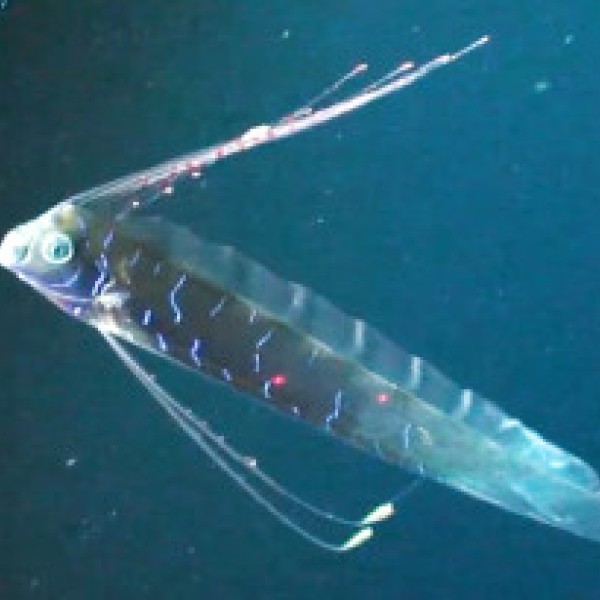
Oarfish, giant fish rarely spotted by humans, have hundreds of unique dorsal fin rays, which help propel the fish forward.

We openly share valuable knowledge.
Sign up for more insights, discoveries and solutions.
Please enter a valid email address to subscribe to the newsletter.