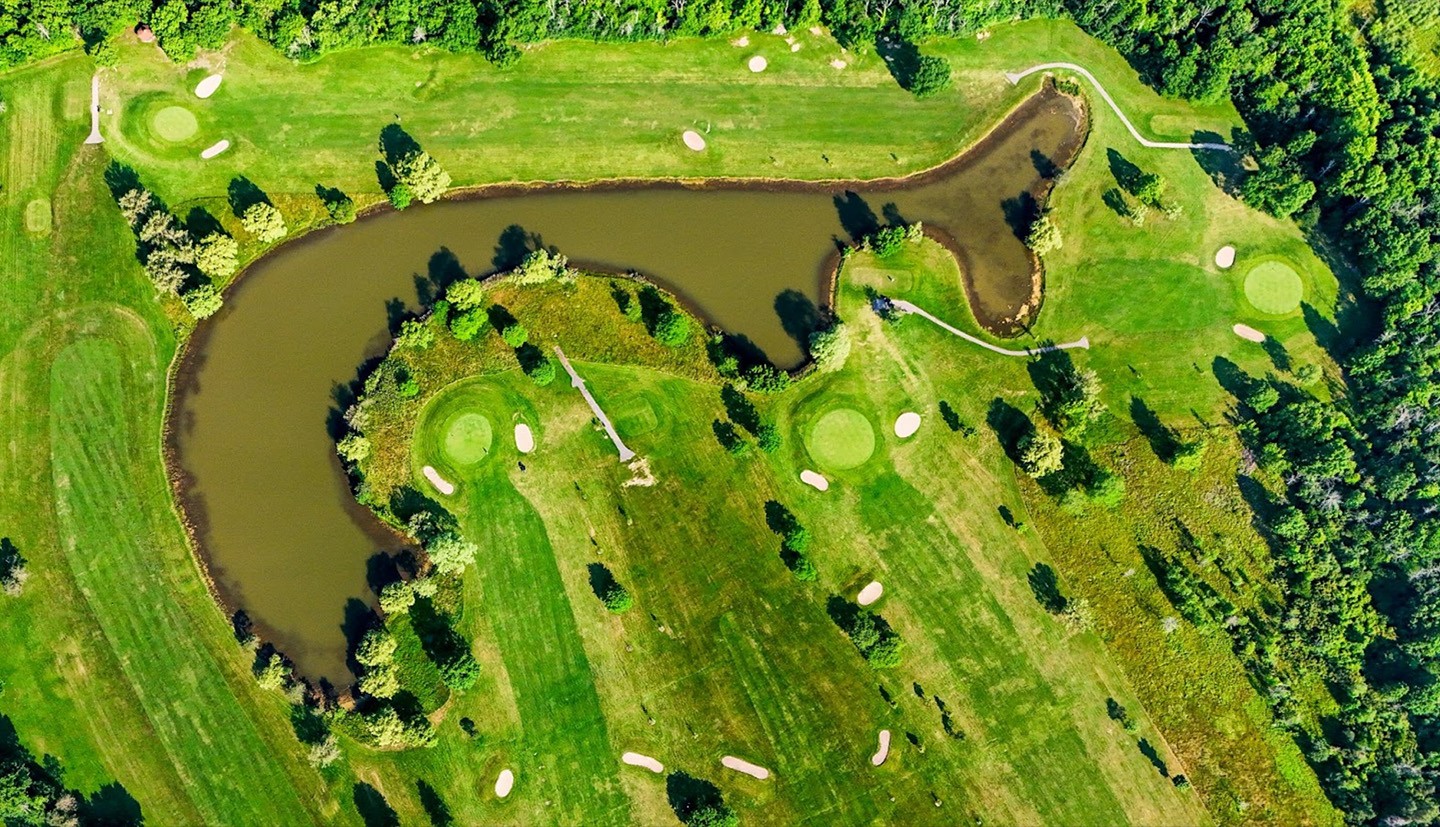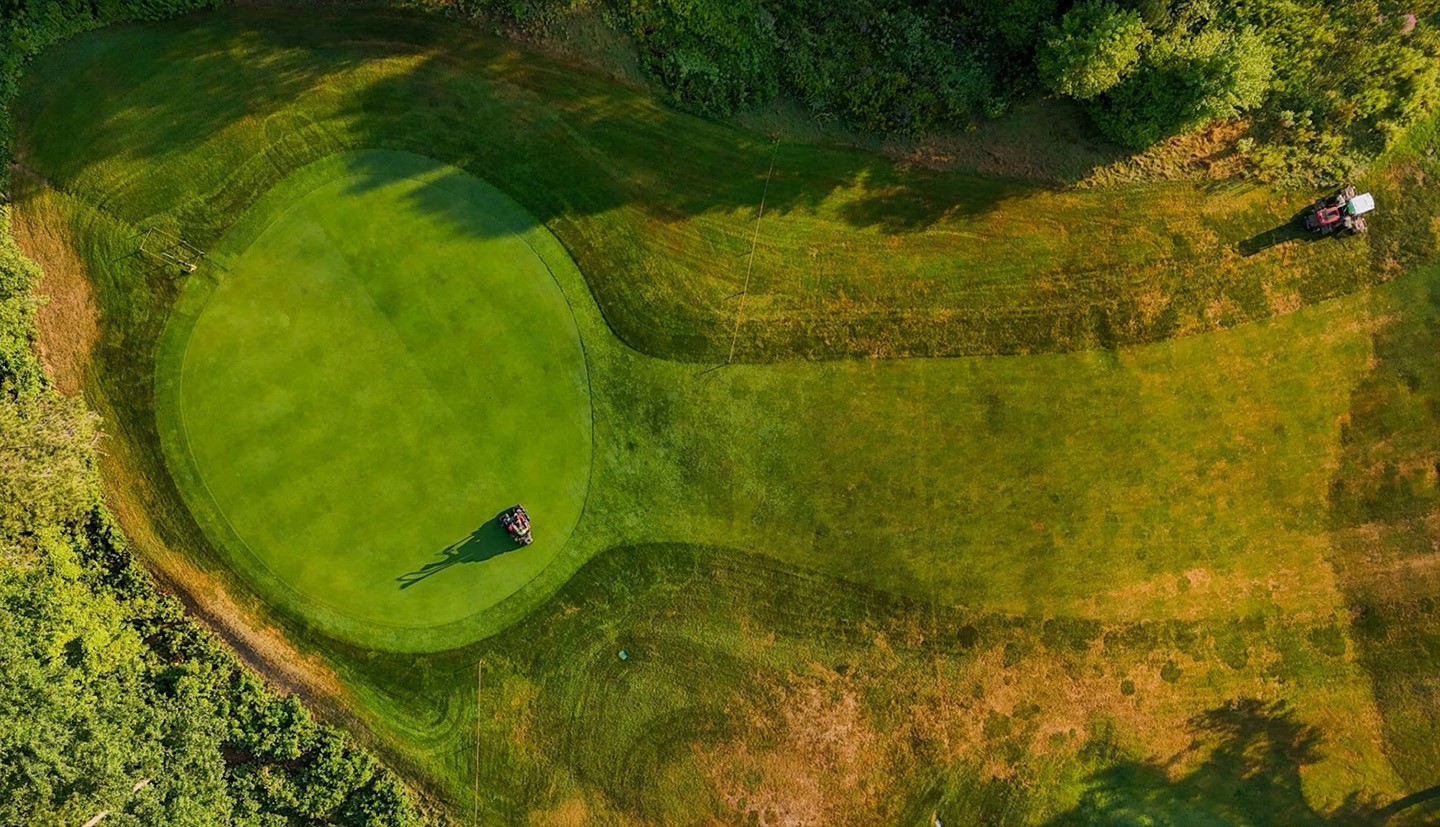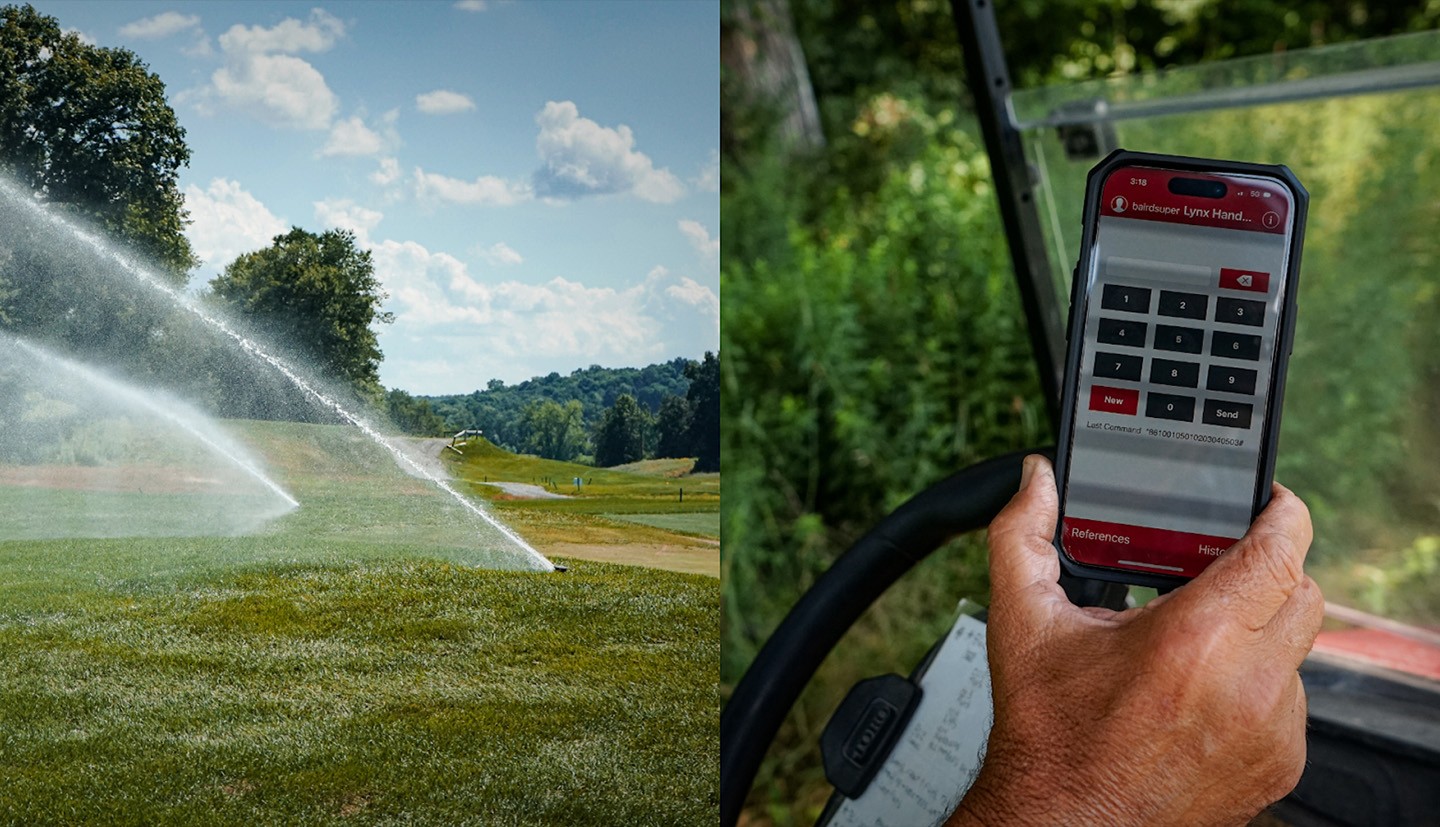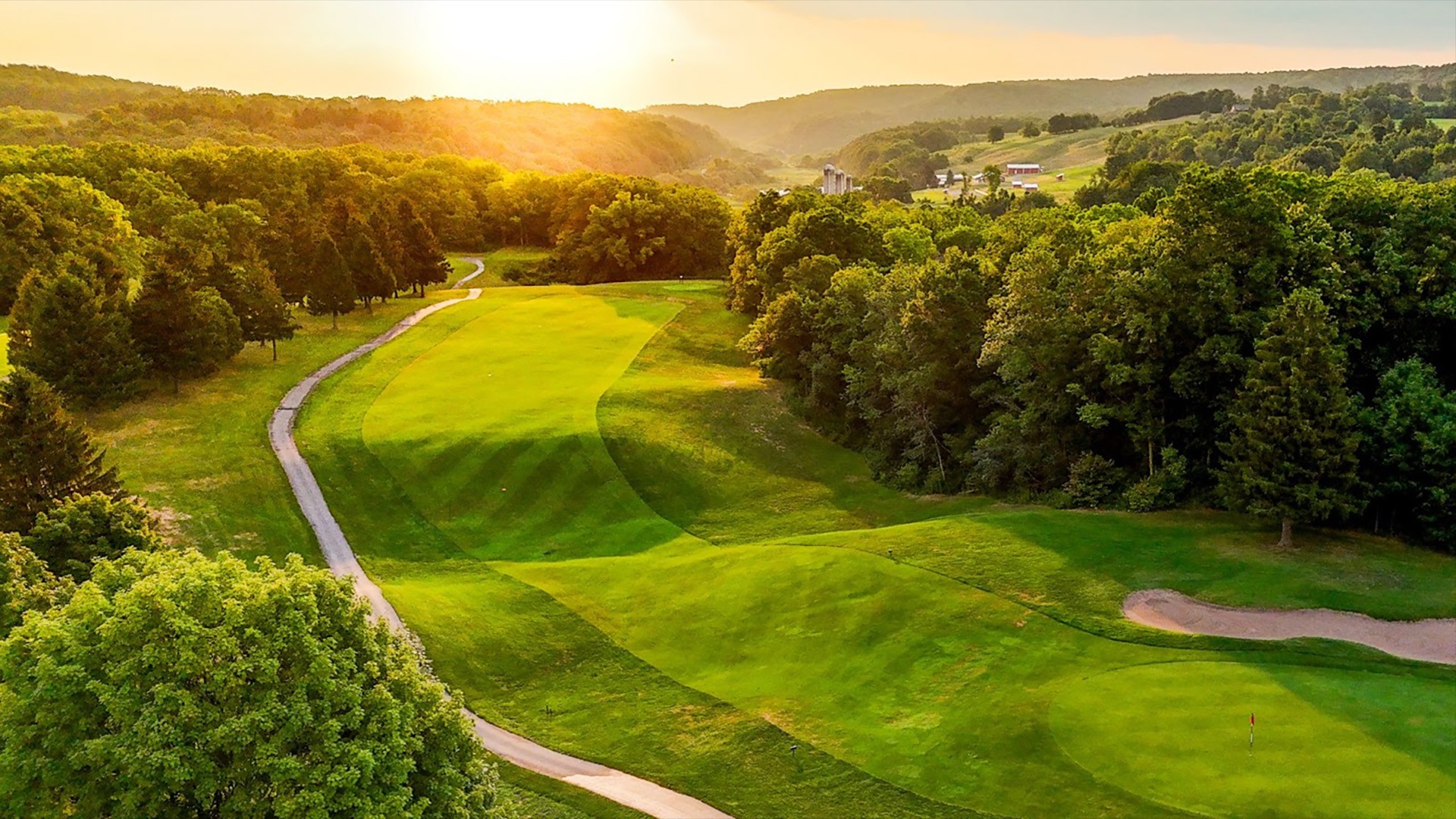
Sustainability in turfgrass science can be measured through input efficiency, reduced labor, lower emissions, biological pest control, environmental protection and even the social benefit of keeping recreational greenspaces open to the public. The Cornell Turfgrass Program often uses the term sustainable turfgrass management to describe these practices across lawns, sports fields and parks. But perhaps the clearest place to see them in action is on the golf course.
In New York, golf courses face mounting pressure from increased play and traffic. More rounds mean more stress on putting greens and more management decisions—when to irrigate, spray, cut or aerate.
Many facilities are turning that challenge into an opportunity by adopting science-based strategies developed with Cornell University and the state’s best management practices program. Golf superintendents are protecting land, water and wildlife while also saving money, labor and inputs.
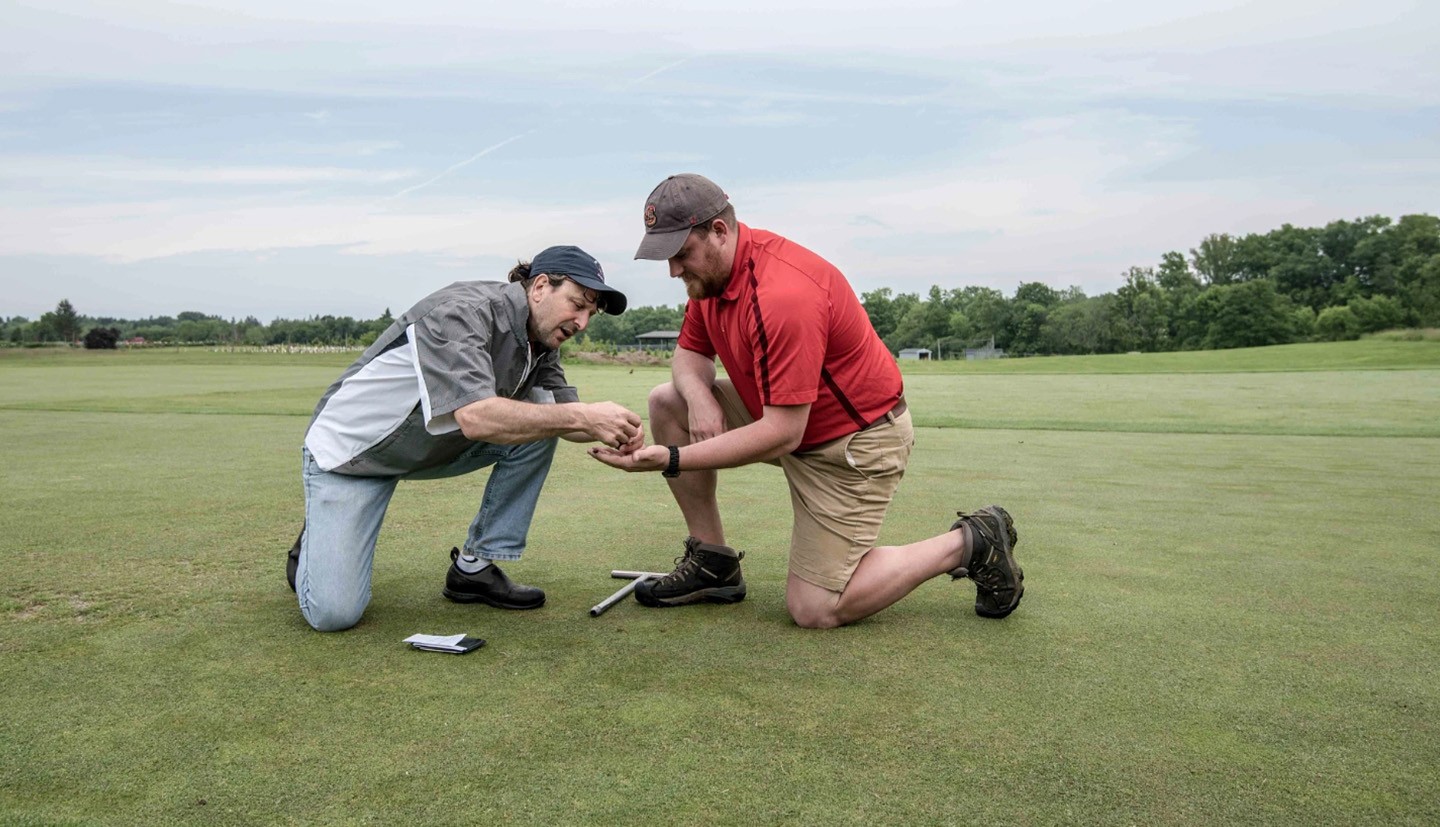
Of the state’s 833 courses, including all New York State Park Golf Courses, many are working to ensure that sustainability goals on paper translate into daily management. From using the environmental impact quotient, or eIQ, to measure pesticide risk, to applying disease prediction models, Cornell’s role in data management and consulting superintendents is helping secure the future of outdoor recreation.