Academic focus: I will be the lecturer for Genetics BIOMG 2800, which introduces students to basic principles in genetics and genomics, and provides an in-depth presentation of both classic and modern genetics mechanisms. I strive to inspire future scientists and provide a learning platform for individuals interested in biological principles from a basic and clinical/translational biology standpoint.
Research summary: The Murphy lab investigates the mechanisms that activate or silence genes during early embryonic development and in the context of reproduction. Using the zebrafish model, mammalian stem cells and human cancer cell lines, we investigate how epigenetic marks control gene expression patterns and drive cell state transitions. This work relies on classic genetics and developmental biology methods, new DNA sequencing technologies and bioinformatics applications to map the genomic locations of various proteins and epigenetic markers as they change during cell state transitions.
What do you like to do when you’re not working?
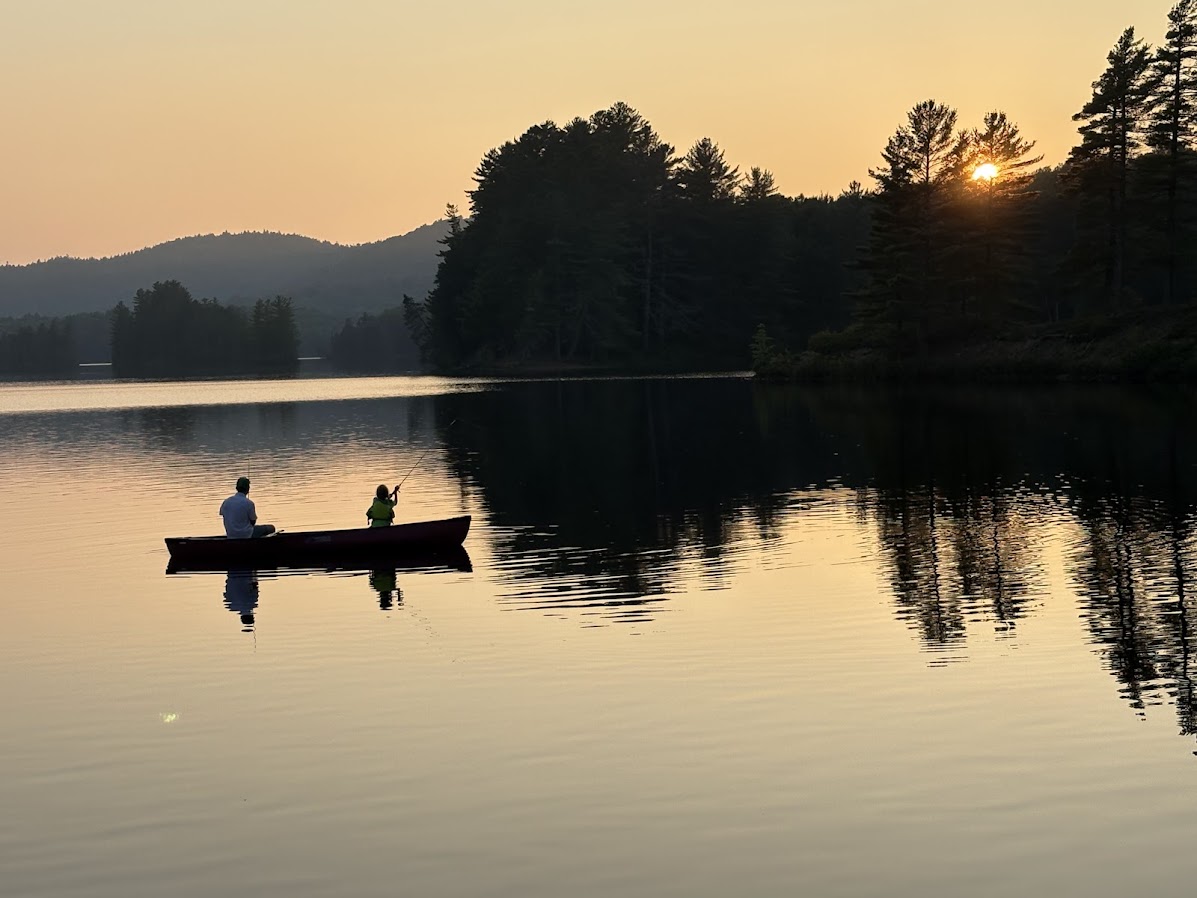
I try to spend as much time as possible with my two kids, ages 7 and 10. As a family we like to go hiking, skiing and mountain biking. My spouse and I are fortunate that our kids enjoy these activities as much as we do, and the whole family often travels together to get our fix. We’ve taken trips to the Adirondacks, Vermont, Utah, Wyoming, Oregon and the Canadian Rockies all in search of adventure. I also enjoy fishing and am a HUGE fan of the Buffalo Bills.
What are your current outreach/extension projects?
For the past six years, as a former faculty member at the University of Rochester, I participated in the Rochester Urban STEM team, which helped teach and expose middle school students to a diversity of scientific topics. Having just arrived in Ithaca, I am looking for similar opportunities and have already opened lines of communication with Cornell Cooperative Extension and the Rural Youth Services organization.
What brought you to Cornell CALS?
The rich community of scientific researchers in the Department of Molecular Biology and Genetics is second to none worldwide, and I jumped at the opportunity to become a part of this community. I am also a Cornell alumnus and fell in love with the Ithaca community when I was a student here 15 years ago. Now, as a parent, I am eager to raise my kids in this loving and supportive community.
What do you think is important for people to understand about your field?
Over the past few years, newer technologies have really made genetics and genomics studies much more accessible to researchers throughout the country, and this should have a tremendous impact on basic research and on the medical community. Unfortunately, recent struggles with funding from the federal government, which are being experienced throughout the entire biological research community, might significantly mute these efforts and delay what would otherwise be a tremendous period of enlightenment.
Why did you feel inspired to pursue a career in this field?
Like most others, I have always been curious about how life begins and where we come from as a species. Working in the genetics and development fields allows me to take part in finding answers to these questions.
What advice do you have for students interested in your field of study?
Find a field that excites you most, and then find good mentors who will inspire you, support you and expose you to new opportunities. Always try to keep a positive outlook. In science there will be many failures and challenges along the way, but even rare and minor successes can ultimately have a huge impact.
Learn more about Patrick from his CALS profile.