Academic focus: Robotics and artificial intelligence in agriculture, controlled environment agriculture (CEA)
Research summary: My research focuses on developing smart cyber-physical systems that integrate cutting-edge robotics, computer vision and artificial intelligence to automate labor-intensive tasks in agricultural systems. My research topics include, but are not limited to: AI and robotic sensing for controlled environment agriculture; bio-inspired robotic systems for complex agricultural environments; indoor and outdoor high-throughput phenotyping; and digital twins and simulation platforms for agricultural automation.
What do you like to do when you’re not working?
I’m a total plant lover! I have so many at home, from monstera to orchids to succulents. Caring for them is both relaxing and inspiring; it always refreshes my mind after a busy day. I also enjoy spending time in my garden, as well as traveling, hiking and shopping.
What brought you to Cornell CALS?
I was drawn to Cornell CALS because of its unique culture of collaboration and the truly interdisciplinary opportunities it offers. The supportive, welcoming community and the freedom to pursue innovative research made it the ideal place for me to grow my program and contribute to the broader mission of agricultural advancement.
What do you think is important for people to understand about your field?
It’s important for people to understand that agriculture presents unique challenges for robotics and AI. Farming environments are highly dynamic – wind, changing light conditions, uneven terrain and dense plant canopies all add layers of complexity. At the same time, there is a pressing global demand to feed more people with fewer inputs and greater efficiency. Developing reliable technologies for agriculture means designing systems that can adapt to this variability while still being practical and accessible for growers.
Why did you feel inspired to pursue a career in this field?
It is incredibly rewarding to develop robotic and automated systems that can reduce repetitive tasks, improve efficiency and, ultimately, support growers in producing food more sustainably and intelligently. I’m also deeply motivated by working with students; their creativity and fresh perspectives often spark new directions in our projects. In addition, collaborating with colleagues across different disciplines is equally inspiring, as it pushes us to think in new ways and develop solutions that none of us could achieve alone.
What advice do you have for students interested in your field of study?
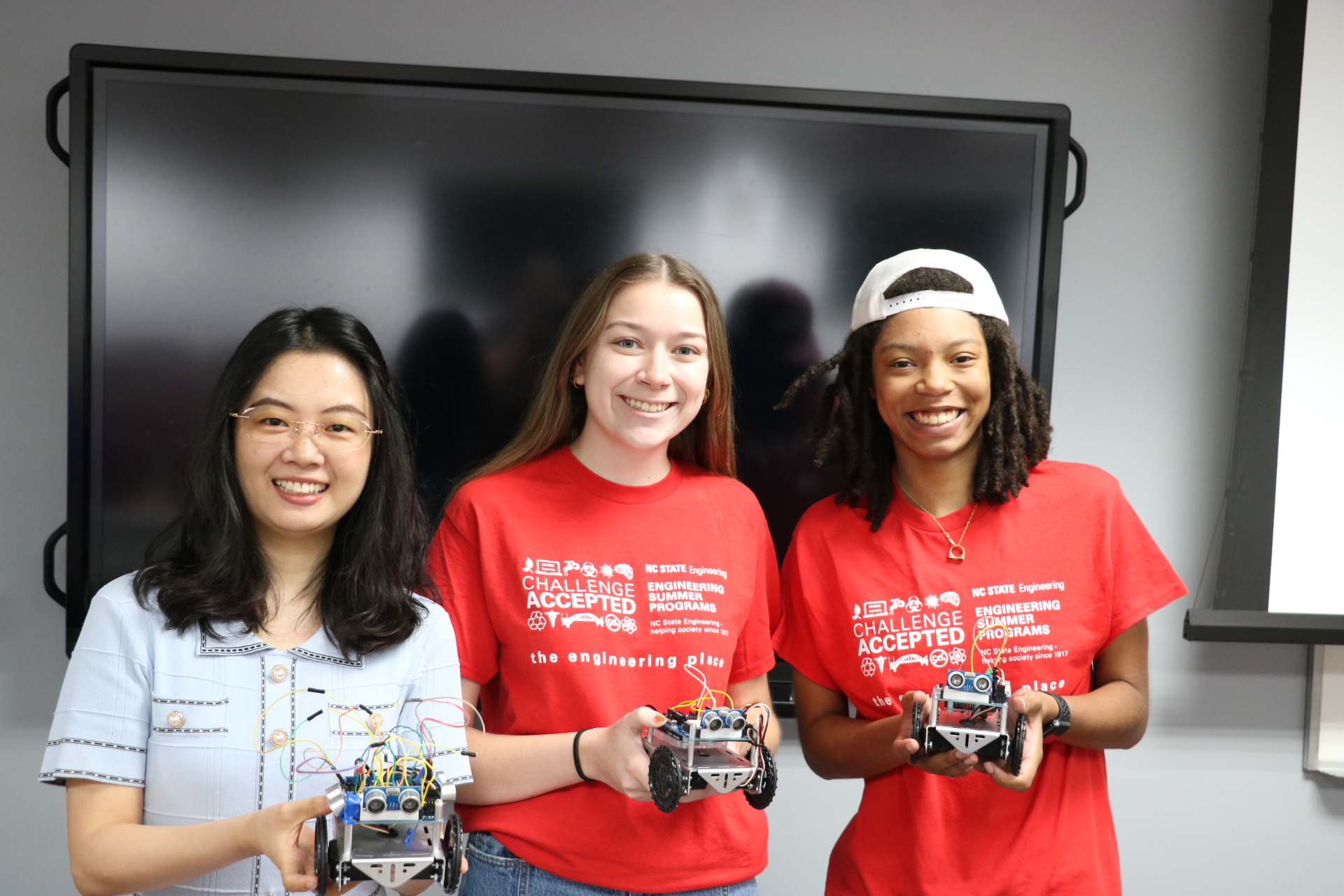
My advice to students is to stay curious and open-minded, because agricultural robotics and AI bring together many different fields: electrical engineering, computer science, plant sciences and more. Don’t be afraid to step outside your comfort zone; some of the most exciting ideas come from connecting disciplines in unexpected ways. I also encourage students to get involved in real-world projects, since hands-on experience is incredibly valuable and often sparks new ideas. Most importantly, always keep the bigger picture in mind: The work we do in this field has the potential to transform our food systems and help feed more people.
Learn more about Lirong from her CALS profile and lab website.