Back

Discover CALS

See how our current work and research is bringing new thinking and new solutions to some of today's biggest challenges.

Share
  • Animal Science
  • Crops
  • Soil

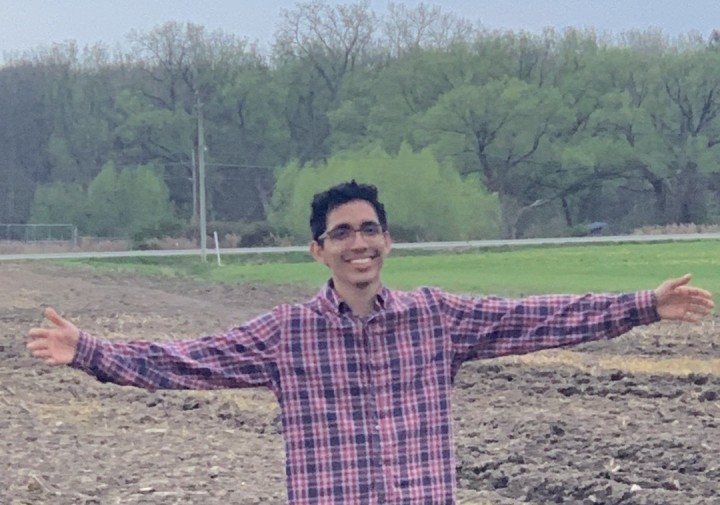
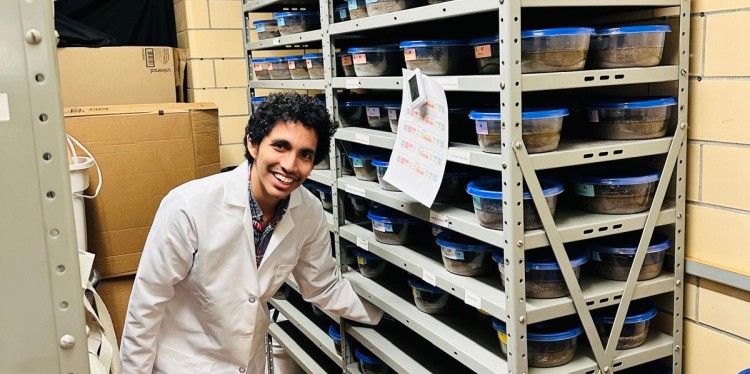
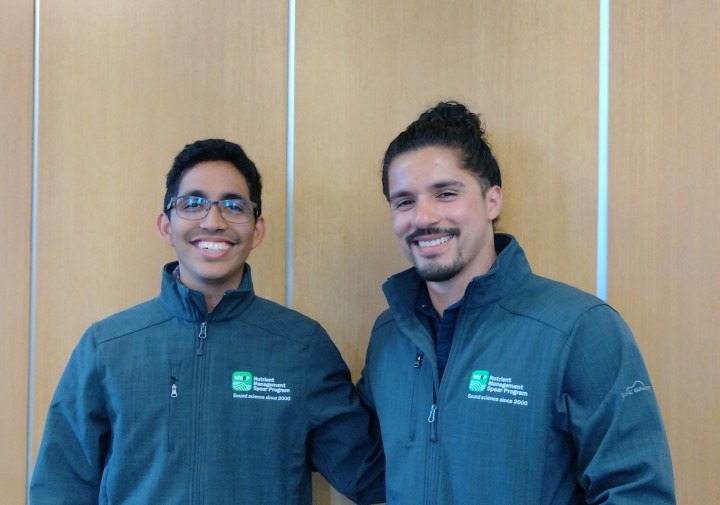
Originally from Ecuador, Cristhian Said Galvez Espinoza came to work with the Nutrient Management Spear Program last fall as an intern from Zamorano University. Earlier this year, he rejoined the team for eight months as a research technician. Read on to learn more about Cristhian’s experience and what he worked on during his time here.

What was your experience like when you first joined the Nutrient Management Spear Program (NMSP)?

It wasn’t easy to adjust at first, but the people on the team created a pleasant environment throughout my time here. I hoped to achieve professional growth, and not only did I accomplish that, but I also feel I learned a great deal on a personal level. 

Why did you choose to join NMSP?

I learned about the NMSP as a student at Zamorano. I was motivated to join by the dynamic range of activities described for the internship, and that’s exactly how it turned out. 

As an intern, you contributed to the Value of Manure project and Dairy Soil & Water Regeneration (DSWR) project. What were some key things that you learned during that time?

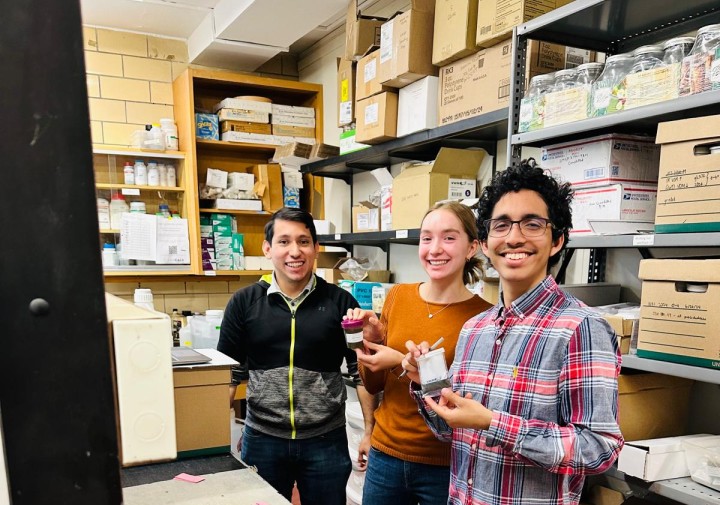
In my fall internship I worked quite a bit with Juan Carlos, the NMSP on-farm research coordinator. I learned a lot about the value of manure and the project he leads, in a perfect mix of fieldwork and laboratory work. 
Can you tell us about your day-to-day work with the DSWR team as a research technician?

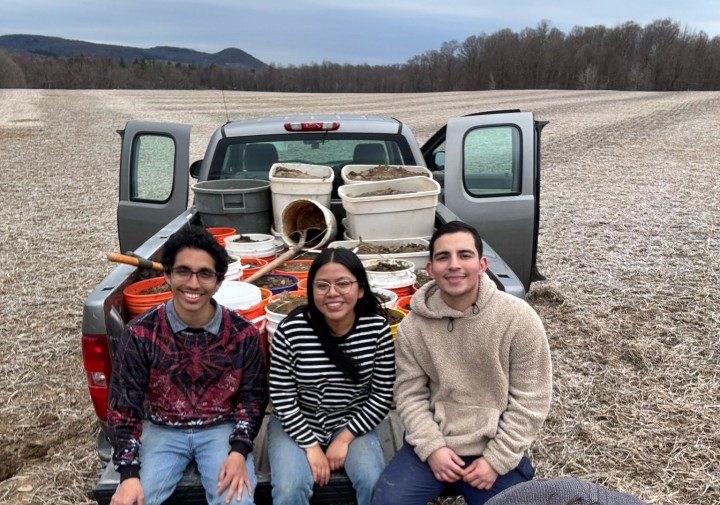
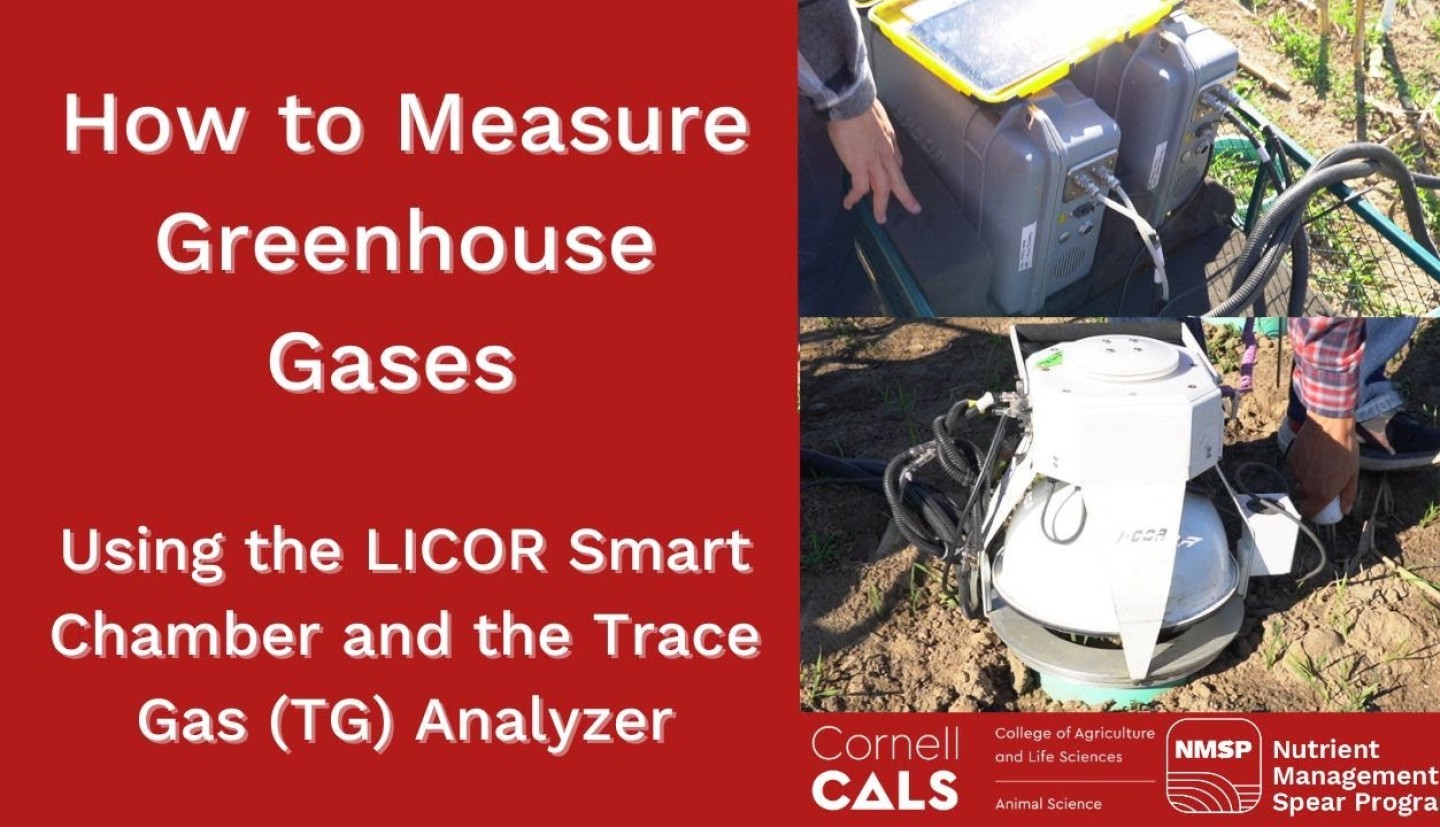
In the past 8 months, being a member of the DSWR team, I learned more about soil emissions, soil sampling, incubation studies and working with farmers. I had a key role in soil sampling, harvest and greenhouse gas emission data collection. I also produced a video explaining how to take greenhouse gas emissions measurements using the LI-COR equipment.

I worked closely with NMSP field technician Sadiel Andres Negron Santiago and two postdoctoral researchers, first Jasdeep Singh and then from April onwards with Asmita Gautam. I also overlapped for three months with prior NMSP and DSWR project team member Erick Amaya in the fall of 2024. They were great to work with!

What is your biggest takeaway from your time here?

From the moment I joined until the last days of my internship, I felt that my opinions were taken into account and valued seriously. This built my confidence in my work and myself and made me feel like my role was important. I know that no matter what direction I take in the future, these skills and the increased confidence will greatly help me.

Madeline Hanscom ‘22 is the science communications assistant for the Nutrient Management Spear Program (NMSP).

Keep Exploring

Close up of dissolved organic matter sourced from decomposition incubations in preparation for measurement with high-resolution mass spectrometry.

News

As soil microbes break down plant residues, they produce a diverse set of molecules, but this diversity starts to fall after the initial phase of decomposition (roughly 32 days). Understanding how soils retain or emit carbon dioxide during this...

  • School of Integrative Plant Science
  • Soil and Crop Sciences Section
  • Soil
A man standing in a crop field.

Field Note

Soil testing is a crucial part of efficient, effective crop production, allowing for farm decision-makers to consider different nutrient management strategies based on their soil test results. Cornell’s Nutrient Management Spear Program (NMSP)...
  • Statistics and Data Science
  • Agriculture
  • Field Crops