Back

Discover CALS

See how our current work and research is bringing new thinking and new solutions to some of today's biggest challenges.

|
By Jake Zajkowski ’26
Share
  • Cornell Integrated Pest Management
  • School of Integrative Plant Science
  • Horticulture Section
The Cornell Turfgrass Program and New York State Parks have transformed public golf courses into living laboratories, proving that championship turf can thrive with fewer chemicals and greater environmental stewardship.

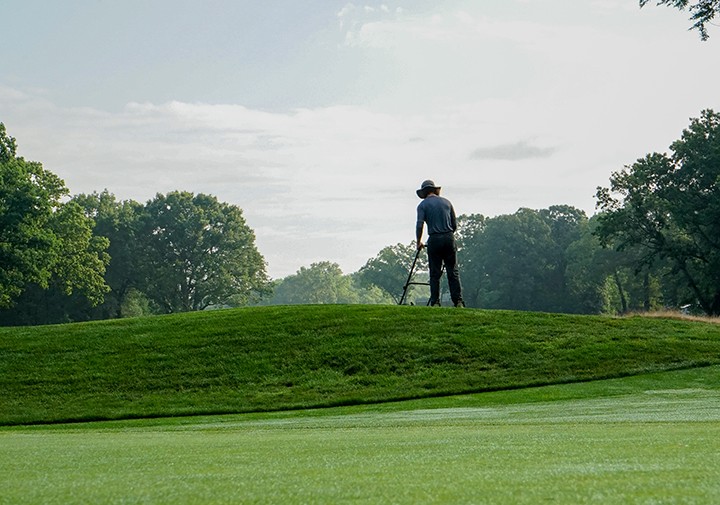
When golfers step onto the putting greens of New York state park golf courses, they are walking across more than turf. They are stepping onto a living laboratory run by Cornell turfgrass scientists. For more than two decades, the Cornell Turfgrass Program has partnered with the New York State Office of Parks, Recreation and Historic Preservation to explore how public courses can thrive with minimal chemical inputs through research and extension.

In 2000, when communities on Long Island, New York, restricted pesticide use and the state later tightened chemical regulations, a debate erupted over the environmental impact on lawns and golf courses. Encouraged by the legislation, state park golf courses were eager to demonstrate environmental stewardship or risk turf decline and lost revenue under stricter regulations. 

At the time, Cornell’s Turfgrass Program sought to show how sustainability and championship-quality greens could go hand in hand. It received grant support from the USGA to define reduced-risk turf management practices for public courses, and a partnership between Cornell, local governments and golfers was born.

With five well-maintained courses and a dedicated management staff, Bethpage State Park’s Green Course served as the primary testing ground from 2001 to 2009. The course hosts approximately 50,000 rounds of play on its putting greens each year. Cornell originally began working with State Park golf staff in 1998, providing in-depth training ahead of the 2002 U.S. Open at Bethpage Black. Then, formal research projects began on the green course’s putting greens, where maintenance is most intensive and golfer expectations are high.

The goal was ambitious: to maintain top-tier turf with little to no chemical pesticides – almost unheard of at the time. Early findings showed that courses could have exceptional greens and excellent playing conditions, while reducing inputs when managed using progressive integrated pest management strategies. The initial research pioneered the use of biological control products, showing that treated turf could tolerate various pests and stress while reducing nutrient and pesticide inputs by up to 45 percent. 

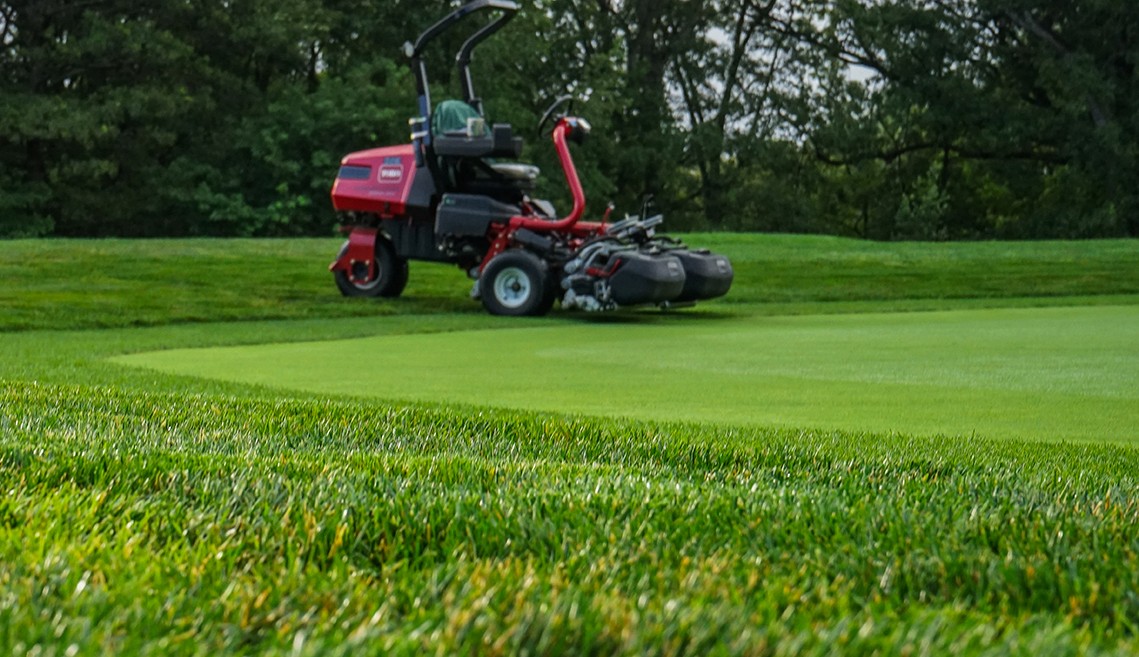
Jennifer Grant and Frank Rossi teach at Golf Course Field Day in 2013 (left). A worker hand-mows a hole on Bethpage Black State Park Golf Course in 2025 (right). 

The work later expanded to all 23 state park golf courses and 18 additional state park facilities across the state, from Long Island to Buffalo, New York. By 2013, the initiative had evolved from a research project into a service partnership, with Cornell setting performance goals and collecting statewide agronomic and pest management data for 15 years.

The focus then shifted to changing management behaviors and the practices of those managing turfgrass. Cornell promoted the consistent use of the environmental impact quotient (EIQ) as a tool to measure risks associated with pest management programs. Now, the EIQ is considered a best practice as espoused in New York’s golf best management practices.

This long-term program delivers steady, measurable improvements in turf quality and environmental stewardship. At its core, the work is applied turfgrass research, translated into practice through turfgrass media communications, making it a model nationwide.

The program’s scope is wide-ranging: reducing pesticide use, promoting efficient fertilizer use, conducting soil tests for both physical and chemical properties, mapping foot traffic, improving irrigation and implementing IPM, with the ultimate goal of making turfgrass a valuable environmental asset.

Extension support specialists today, like state park agronomist Chase Skrubis, visit each course multiple times a year, consulting with superintendents, collecting data and conducting detailed soil and surface assessments. Public courses double as research sites for Ithaca campus and Cornell AgriTech projects, with weekly communication to help managers respond to disease and pests. 

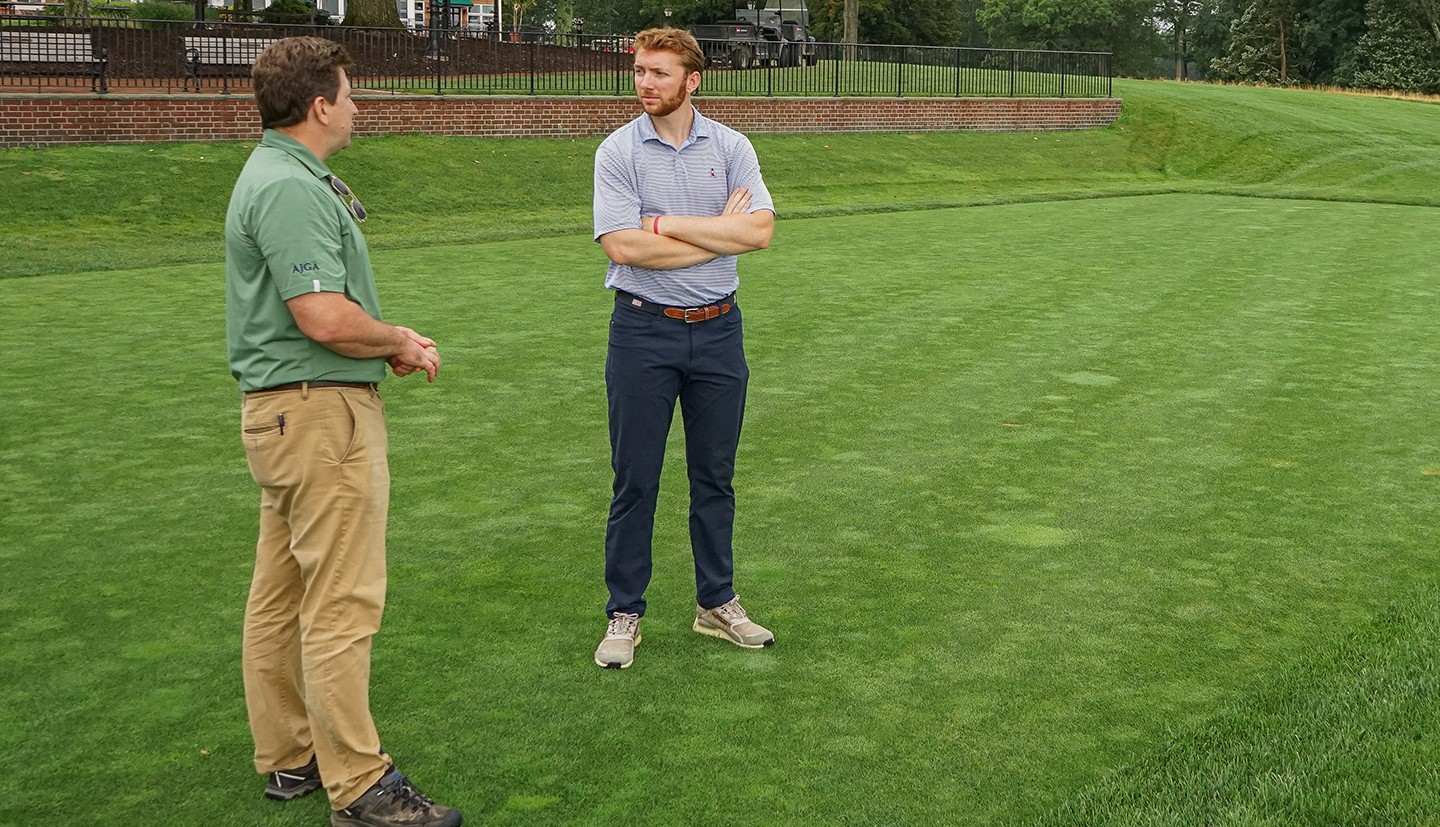
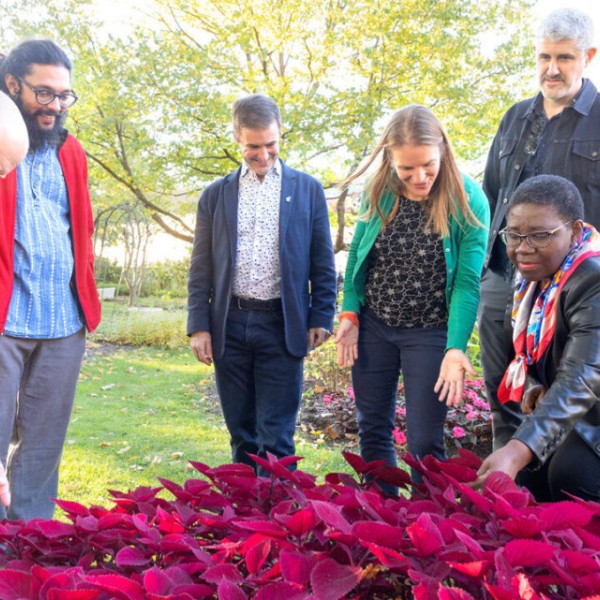
Chase Skrubis, extension support specialist, speaks with a superintendent during a state park course visit. 

Frank Rossi, director of Cornell’s Turfgrass Program, was one of the original collaborators on the project, along with Jennifer Grant, director emerita of Cornell Integrated Pest Management. “We want New York State Parks to be an amenity that works well for New Yorkers—a landscape that fits in the ecosystem and serves the needs of the region with the highest level of environmental stewardship,” Rossi said.

Courses reflect regional ecosystems and sustainability 

Spread across New York’s diverse regions, each state park course is integrated into its natural ecosystem. Cornell’s work has optimized nutrient, pesticide and water use in public recreation while letting the surrounding landscape and regional character of New York guide management decisions.

Saratoga Springs - Capital Region
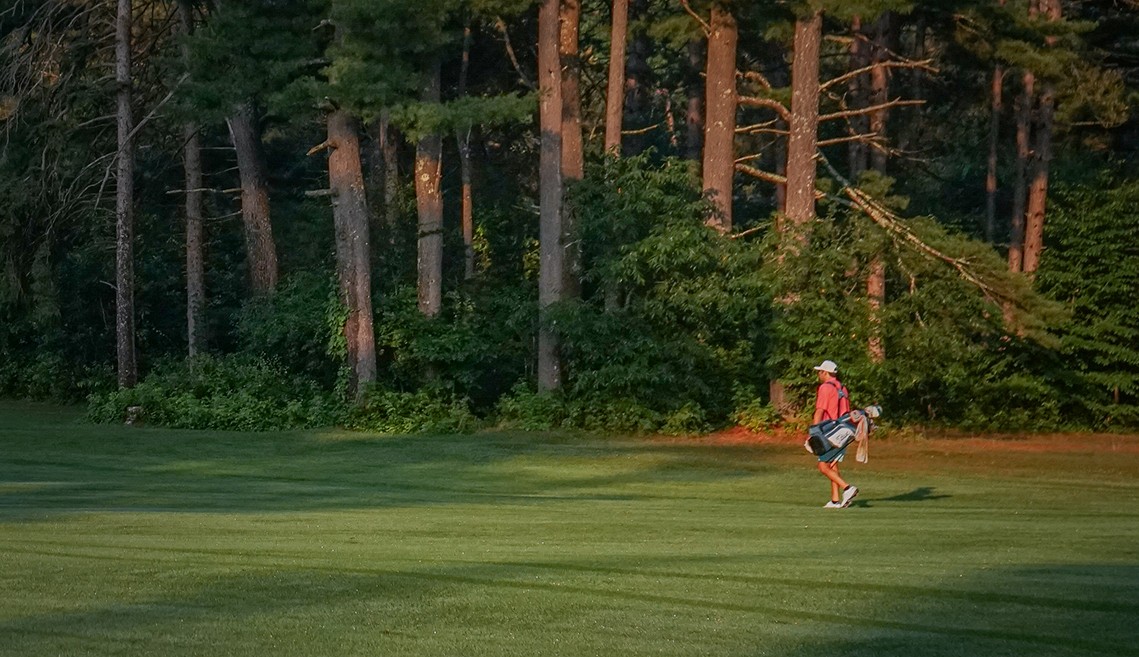
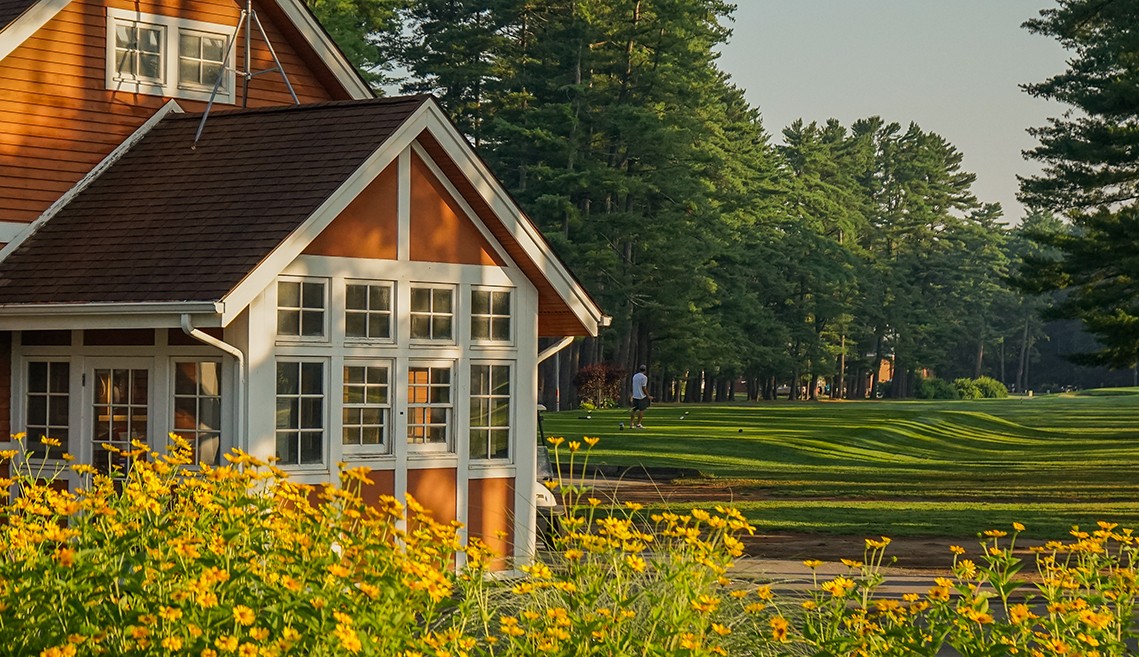
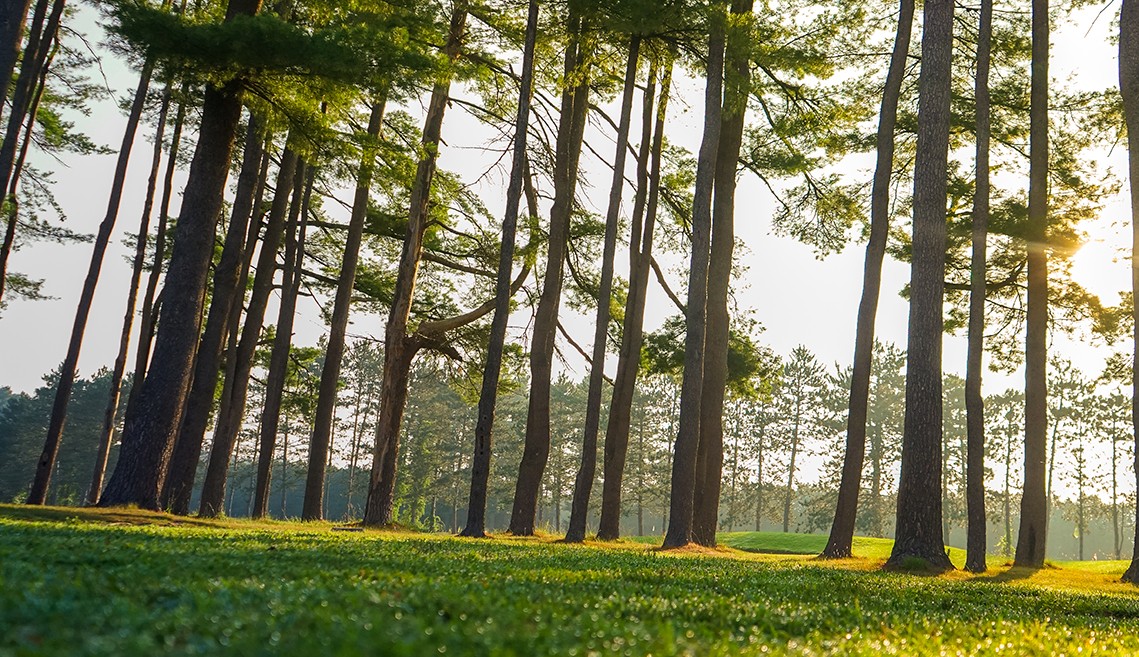
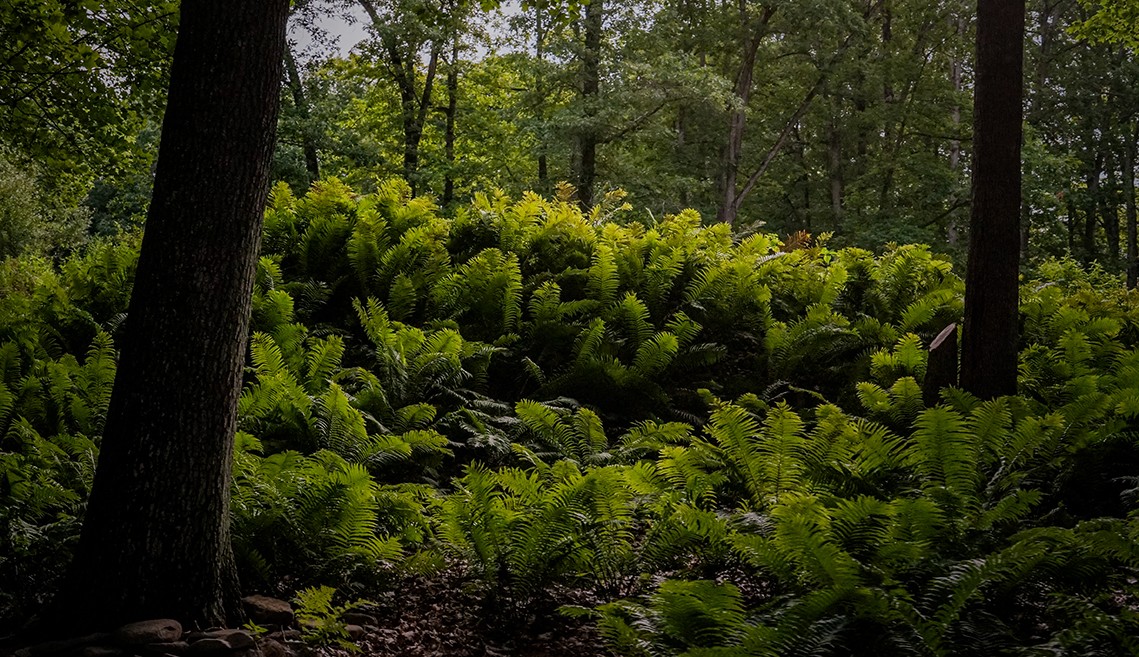
Saratoga Spa Golf Course is nestled among towering pines in Saratoga Spa State Park, north of Albany, where acidic soils and pine needles give the course its distinct character. The 27-hole layout includes an 18-hole championship course and a 9-hole beginner-friendly track perfect for juniors. Averaging 340 rounds a day, the course is framed by classical park architecture and a neighboring Department of Environmental Conservation tree farm. Regular visits from extension  specialists bring shade and airflow analysis, greens testings and overall turf health assessments, keeping the fairways thriving in their forested setting.

Chenango Valley – Southern Tier Region
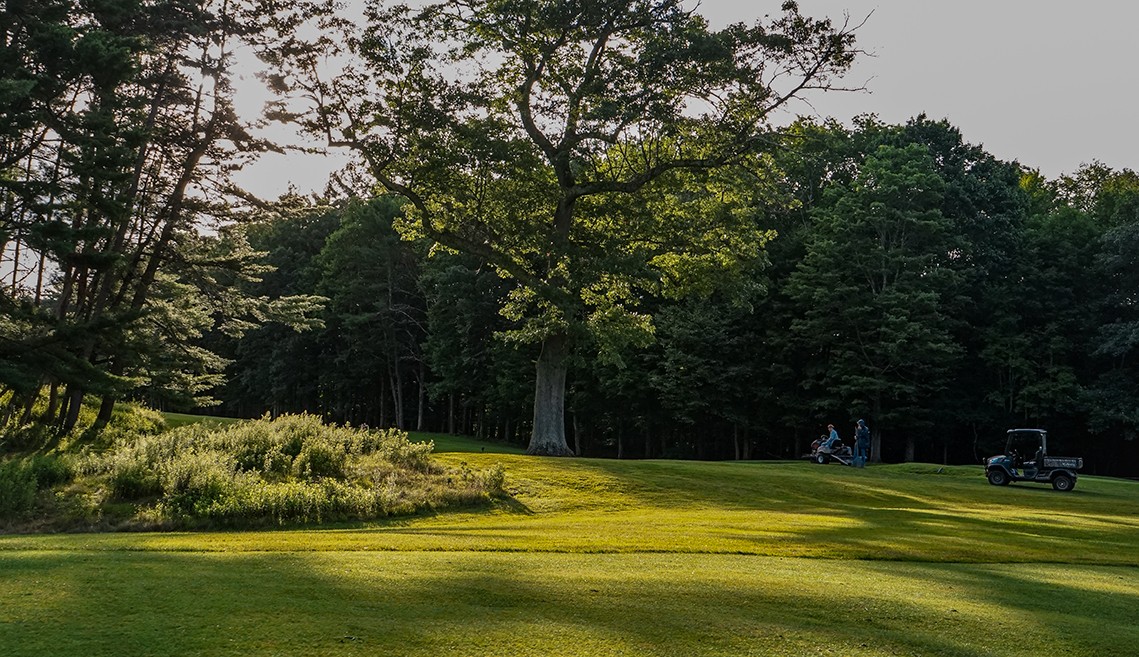
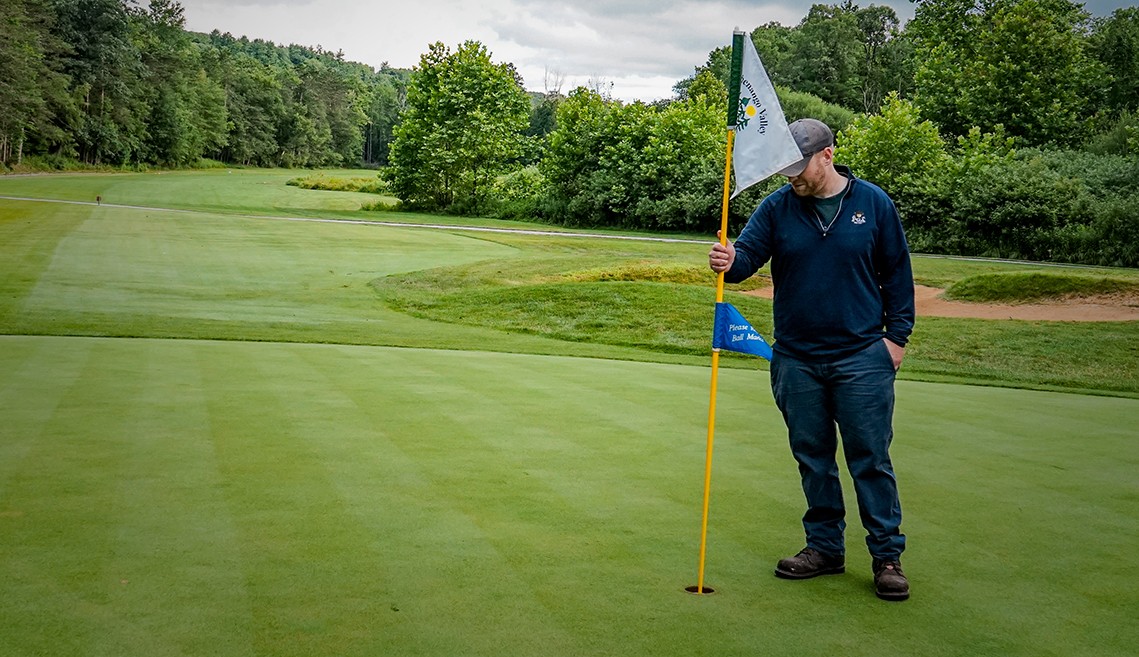
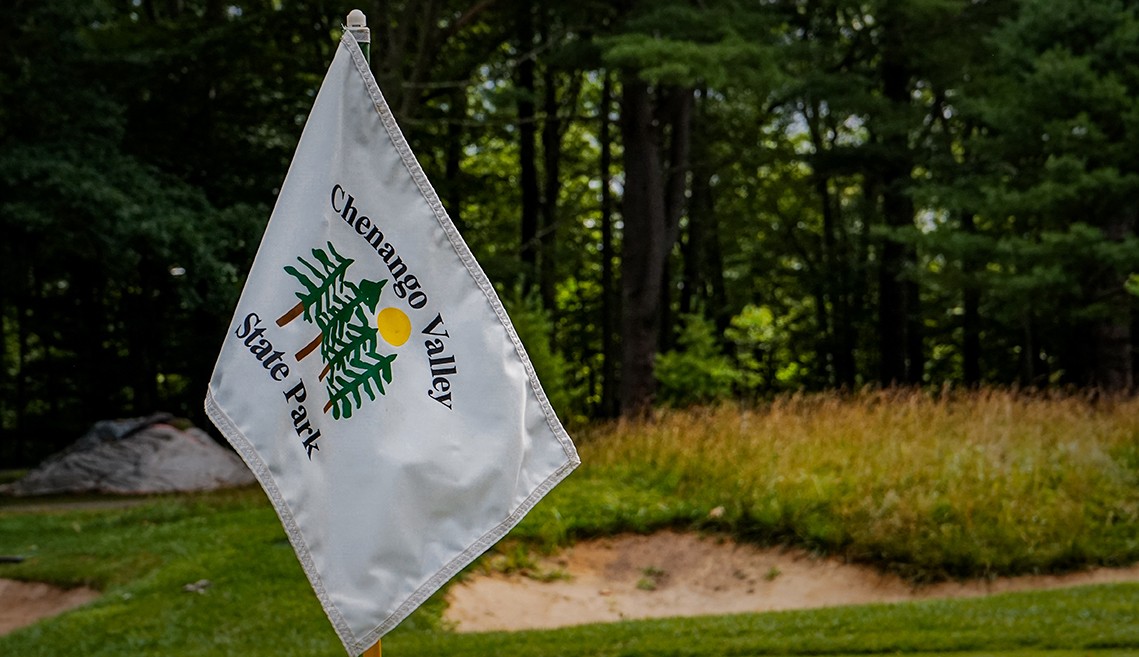
Located near Binghamton, Chenango Valley is a historic, nearly century-old course built by the Civilian Conservation Corps, with ties to the Erie Canal. Part of a 1,200-acre park, it is known for wooded landscapes and scenic sightlines. Longer and narrower than many courses, it offers a distinctive challenge. Cornell supports the course through IPM programs, using pitfall traps to monitor pests such as annual bluegrass weevils and guiding management based on the collected data.

Bethpage State Park – Long Island Region
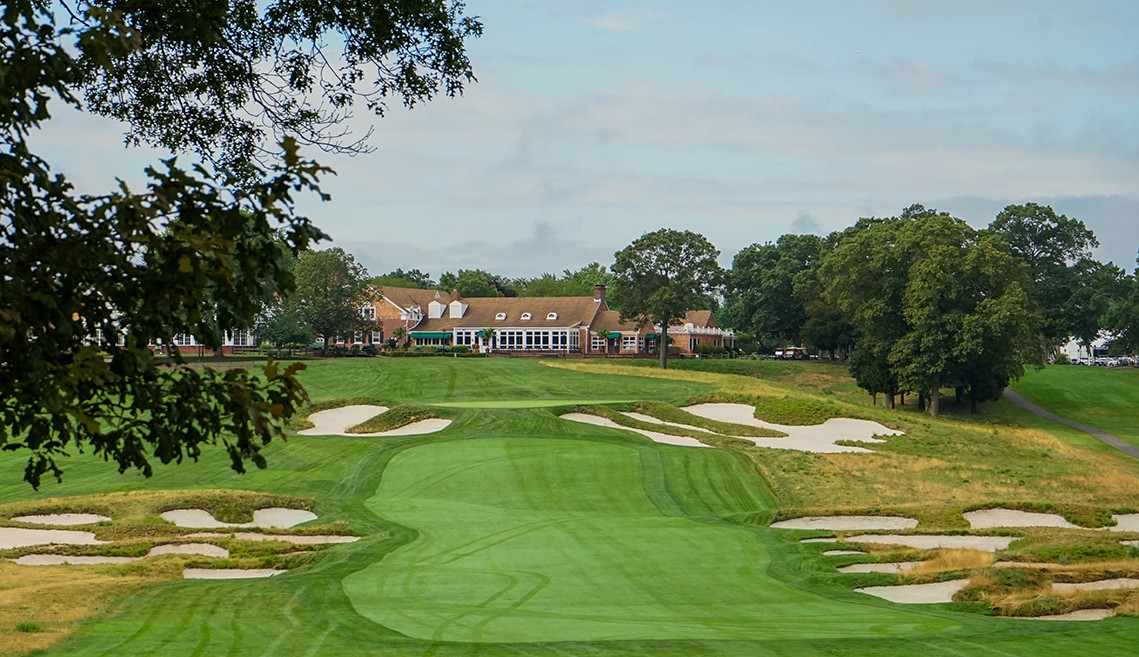
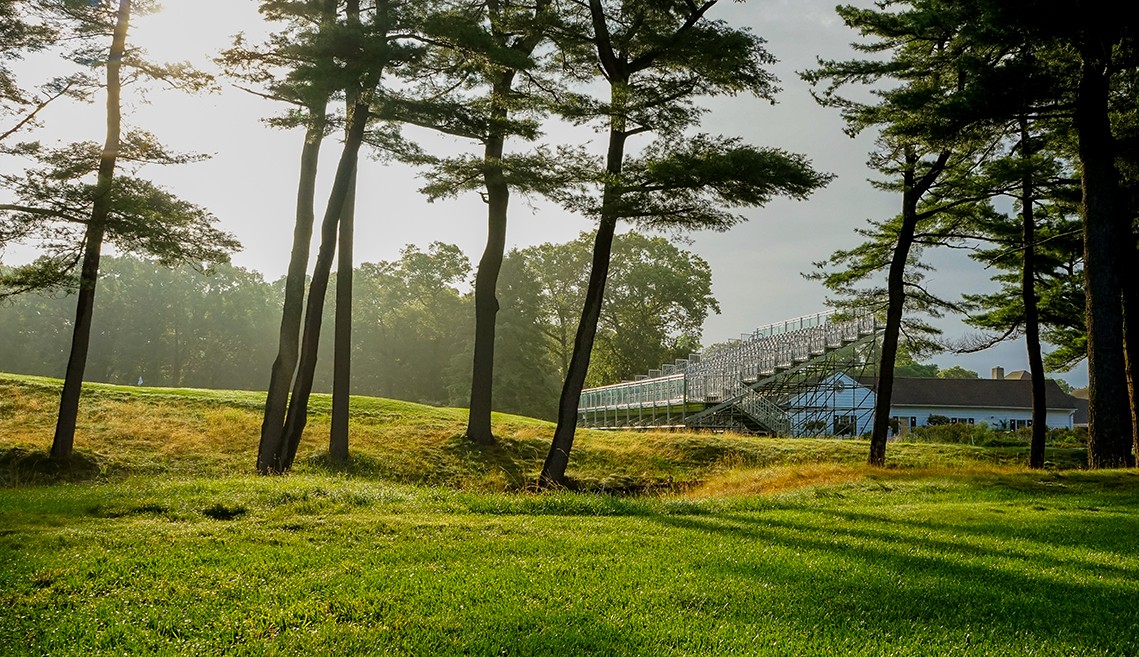
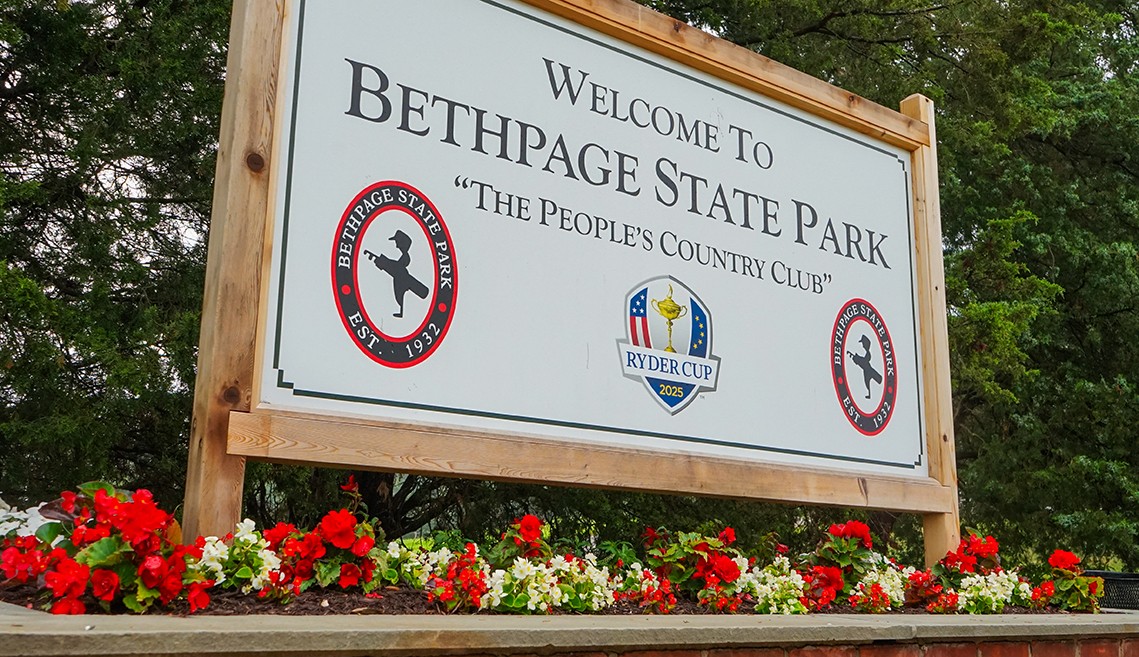
Situated in the heart of Long Island’s golf landscape, Bethpage State Park is home to five courses that see some of the region’s heaviest play. It is widely recognized for its narrow fairways and thick rough that challenge even the most skilled players. The greens host roughly 50,000 rounds each year while enduring coastal winds, varied soils and humid summers. Hosting the 2002 and 2009 U.S. Opens, the 2019 PGA Championship and the 2025 Ryder Cup, Bethpage has shown that environmentally responsible management can deliver world-class playing surfaces. Long-term Cornell research here demonstrated that progressive IPM programs can reduce pesticide use by 30 to 50 percent while maintaining championship conditions.

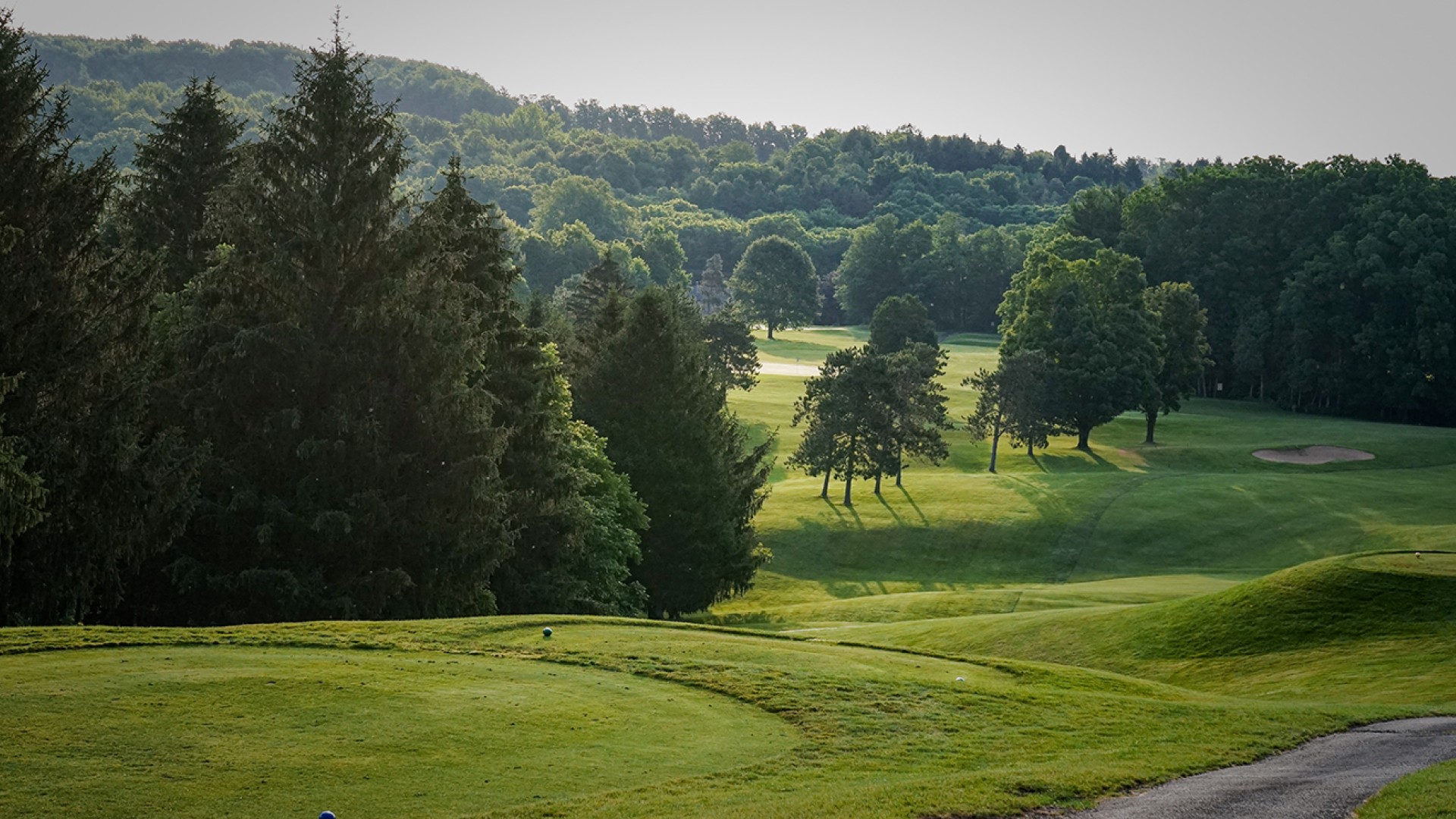
The three courses featured in the galleries represent a snapshot of state parks whose superintendents, owners and staff have worked alongside Cornell Turfgrass Program specialists to build a sustainability model with no equal. Driven by economic realities, a commitment to environmental stewardship and the guidance of Cornell extension, this partnership has reshaped how public golf courses are managed in the 21st century.

Keep Exploring

a group of young people stand together in front of a building

News

The New York State 4-H Livestock Ambassador Program recently offered an immersive, multi-day educational experience for youth participants, providing hands-on exposure to New York’s diverse livestock industries. The program began with a visit to...
  • Animal Science
  • Animals
Hand grabbing apple

News

Apple scab, caused by the fungus Venturia inaequalis, is one of the most economically devastating diseases facing apple growers in the Northeast. Managing it has long depended on regular fungicide applications—and for many growers, that means...
  • Cornell AgriTech
  • School of Integrative Plant Science
  • Plant Pathology and Plant-Microbe Biology Section