Back

Discover CALS

See how our current work and research is bringing new thinking and new solutions to some of today's biggest challenges.

Local Foods Program Leader & Harvest Kitchen Manager
Share
  • Cornell Cooperative Extension
  • Food

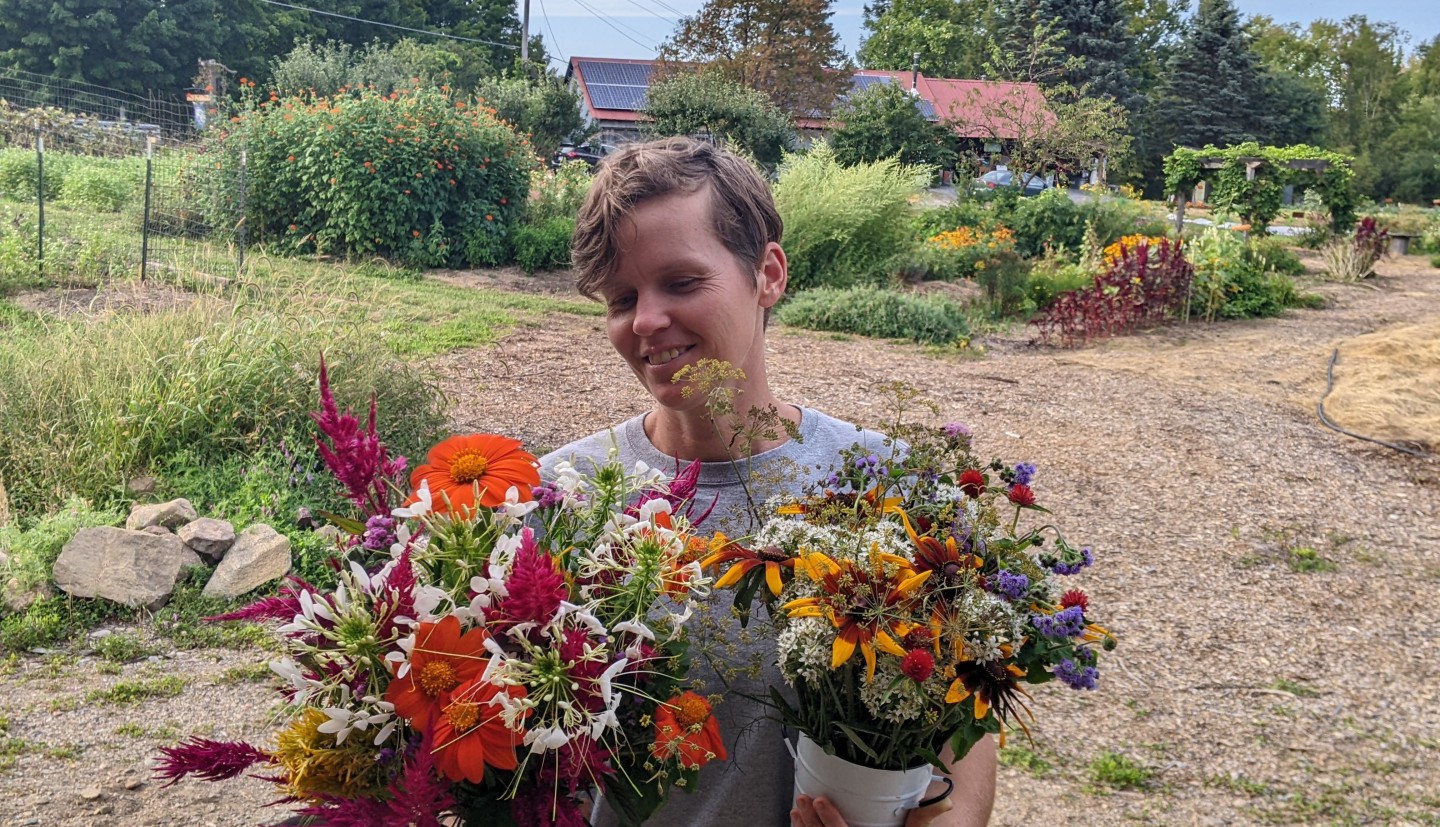
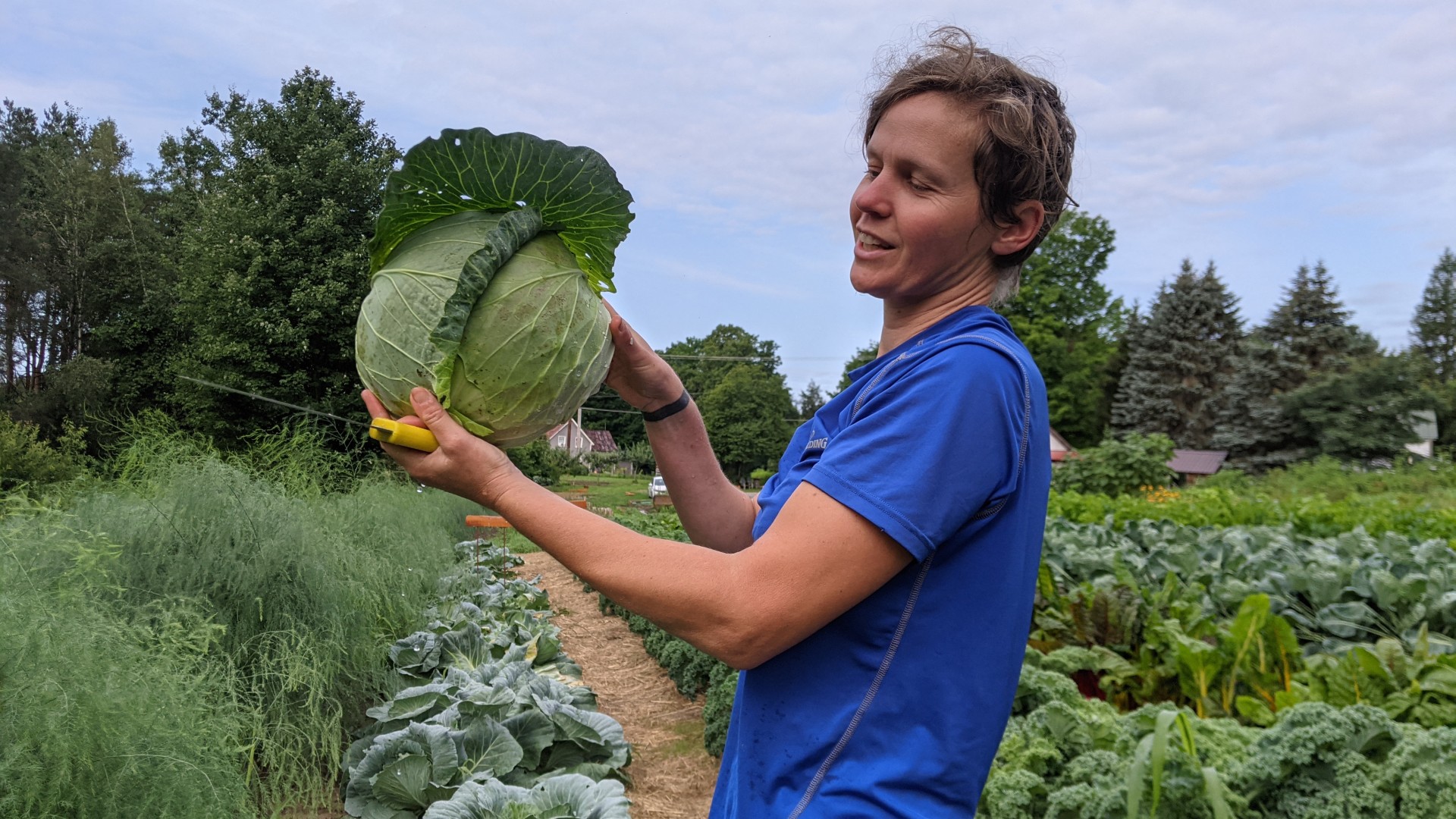
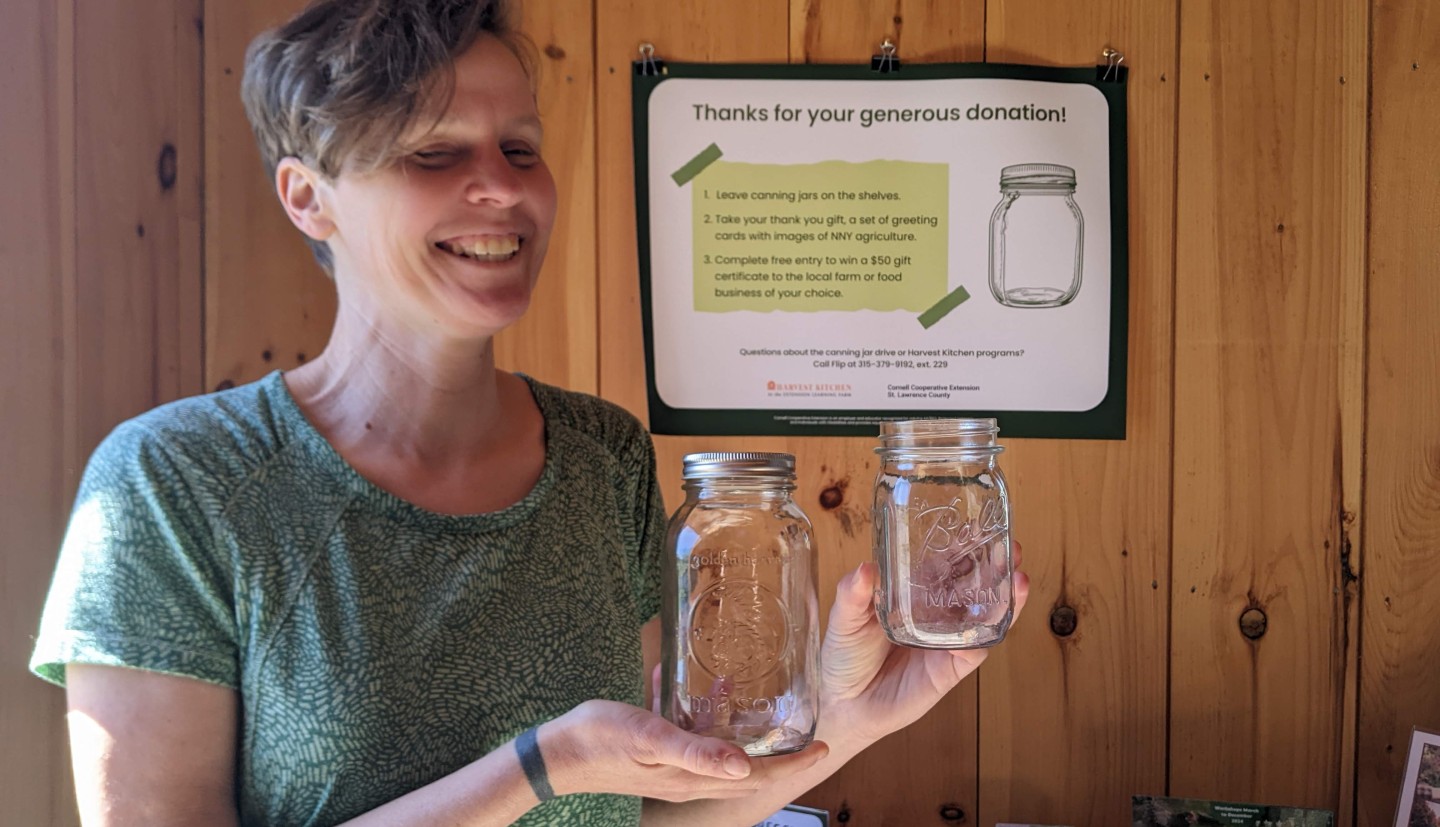
Maria ‘Flip’ Filippi, local foods program leader and Harvest Kitchen manager for St. Lawrence County Cooperative Extension, is a passionate educator dedicated to meaningful, community-driven work that enriches daily life and fosters connection. Rooted in her homesteading upbringing and bolstered by experience in nonprofit and agricultural leadership, Filippi takes a practical, collaborative approach to empower individuals, enhance routines, spark creativity, and create positive community impact.

What brought you to extension?

As a child, I had a very narrow understanding of Cooperative Extension. It wasn’t until I went to college, moved away for a decade, and eventually returned to the area to start a small farm that I began to see it in a different light. When I noticed a new local foods program leader position was created, I thought, “Wow, this sounds interesting." It seemed like Cooperative Extension was trying new things. Maybe they’d been doing this elsewhere all along, but it struck me as something innovative. Having worked for other nonprofits, I was curious about how this role could connect with lasting impacts in my community.

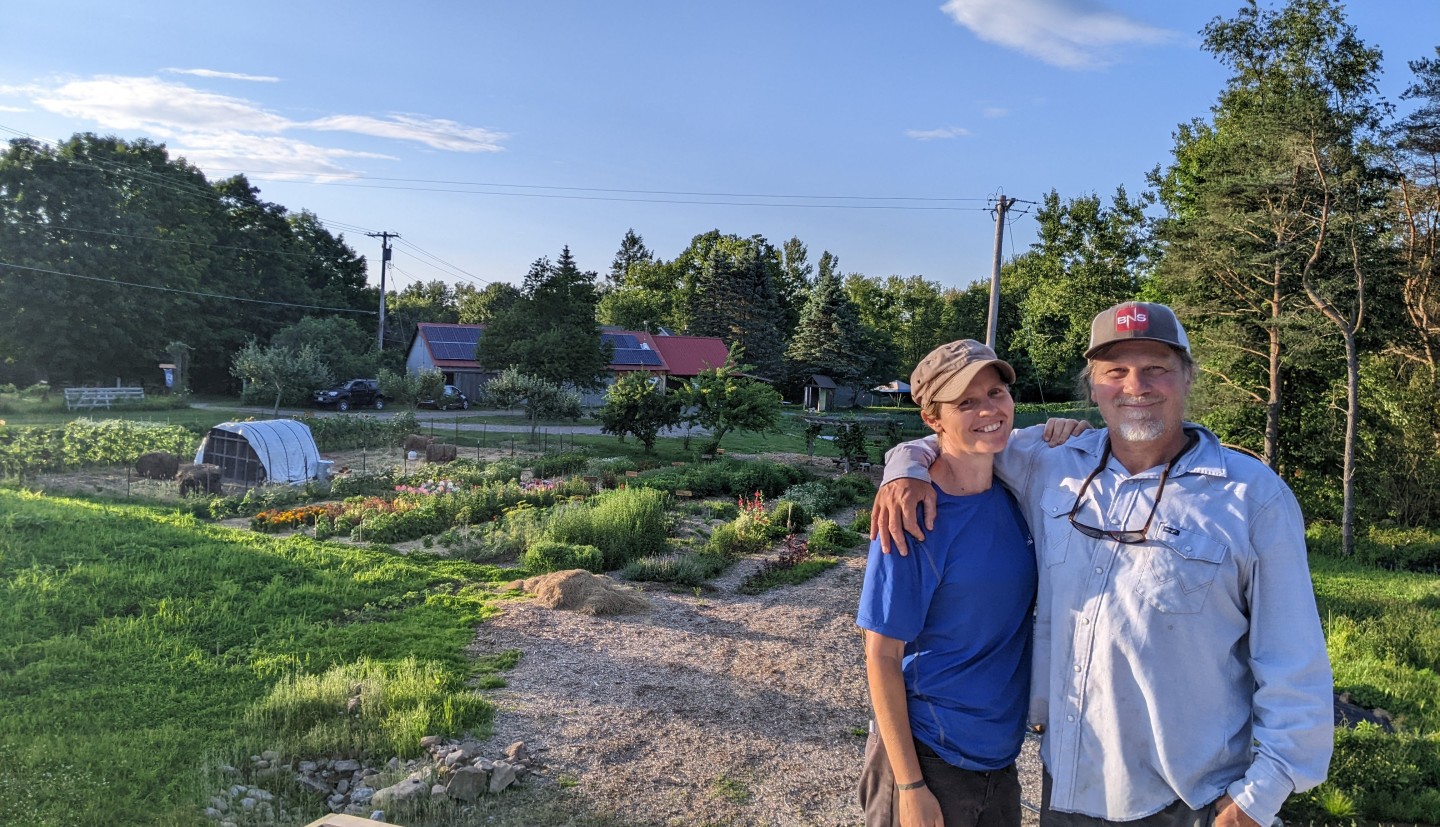
I grew up in this area on a homestead. We had a big garden, raised summer lambs, and tended apple trees and other fruit. My parents were back-to-the-landers, so I had that early exposure to a way of life where “everything you need isn’t at the grocery store.” I learned the value of connecting with the land around you.

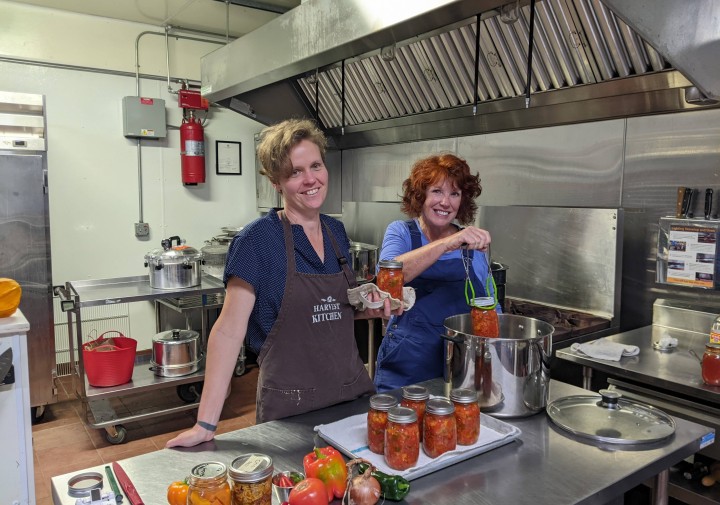
At the time, I probably didn’t appreciate it as much as I should have. I thought a lot of it was just tedious chores, and I give my parents so much credit for their patience. But looking back, those experiences really shaped me. They taught me that even simple, hands-on tasks like canning tomatoes or weeding the garden hold their own value. It’s not about money, it’s something meaningful in and of itself.

When I went away to college, I didn’t think I’d do anything connected to agriculture. I thought I’d study Italian, move to Italy, and becoming a teacher or something along those lines. But the lessons from my upbringing, about relating to the land and finding value in those small, grounded actions, stuck with me in ways I didn’t fully realize at the time.

Who are some of the notable influences on your career?

If I think about inspirational people, one person who comes to mind is the executive director I worked with at a food pantry after college. The determination and warmth she brought to her work were incredible. She treated everyone with deep respect and always stayed focused on what she could control, doing those things exceptionally well. That really stuck with me.

I think most of my mentors have shared the ability to understand their strengths and not get distracted by all the noise. It’s so easy to get bogged down in negativity or fall into a glass-half-empty mindset. But the people who have inspired me the most are those who acknowledge the complexity of the world while staying grounded in what they care about, and what they can contribute. They focus on making a positive impact in their communities rather than dwelling on negativity that can overwhelm you.

It’s not about ignoring the challenges or putting on blinders; it’s about recognizing bandwidth is limited and choosing to spend it well. It’s about wanting to be part of something meaningful and devoting your energy to creating things that matter, even when the world feels overwhelming. That is something I’ve found really motivating and something I try to live by.

What impact do you hope your work will have?

Our days are made up of the regular routines of life. When we’re tired, worn out, or things aren’t going our way, those patterns can feel monotonous, even heavy. And then you're just like, oh, the special thing is that vacation once a year, or when I get to go to the family reunion, or it's hunting season. Those are special things, but they are just minor parts of our life.

Most of the time, out of necessity, we’re just living our routine lives. And I would like to be part of making that time either easier for people, more fun for people, or more effective.

For example, each year on our farm feels the same, with the seasonal patterns of planting, tending, and harvesting. But when I take time to reflect, I realize how much has shifted. New things learned, small moments treasured. Life is woven from those little changes, year by year.

I want to help others find the richness in their routines. I want to co-create programs that respect people’s backgrounds, evolve through collaboration, and empower them in their daily lives. Nothing grand, but impactful.

Being Flexible and meeting educational goals

I love science and observing the world, but it’s also powerful to acknowledge that you don’t have to fully understand everything to appreciate it. There’s an infinite complexity around us and embracing a sense of humility in the face of that is something I find really grounding. I can't say I am always humble, but I strive for that mindset: being in awe of the world and of other people’s lives, even when I can’t fully comprehend them.

That perspective shapes how I approach programming and education. Going into a workshop, I might have a plan and goals, but I’ve learned you have to leave space for the unexpected. If you’re too rigid, you might miss something meaningful that’s of more interest or value to the group. And then, even if some of your boxes go unchecked, the session may end up better for it.

For me, it’s about stepping back, not over-planning, and letting participants shape the experience. Respecting the unknown—whether it’s the world, other people’s perspectives, or the flow of a workshop—keeps things dynamic and authentic.

How do you unwind?

I take walks every morning and try to unwind at the end of the day too. If I had to sum it up, I’d say biking, swimming and bird watching are my summer go-tos. But really, it’s more about being in a space without a plan, just observing and getting better at being present.

Our brains can get pretty impressed with how clever they are, but sometimes it’s nice to simply float, take in what’s around you, and see what’s going on beyond your own thoughts.

For years, I was always busy. I remember after college, a friend asked why I was constantly working multiple jobs. It was just what I was used to and it felt normal. And to be honest, there is still a lot of action with this job and pitching in on our home farm. I believe in the work, which is crucial. Yet I’m learning to carve out time and enjoy other things. There’s more to life than producing and delivering. That’s a work in progress for me, but it’s something I’m striving for.

Keep Exploring

three woman stand together eating orange slices

Field Note

by Harley Wolfanger '28 Where does our food really come from? That question followed our group throughout our agricultural expedition to California this past January. I decided to embark on this trip because I wanted to understand how the...
  • Dairy Fellows Program
  • Animal Science
  • Agriculture
person standing next to poster at conference

News

The New York Chapter and Northeastern Division of the American Fisheries Society annual meeting was held in Saratoga, New York, from February 4-6. Seven Cornell Biological Field Station (CBFS) representatives attended, including Tom Brooking...
  • Biological Field Station
  • Ashley School of Global Development and the Environment
  • Natural Resources and the Environment Section