Back

Discover CALS

See how our current work and research is bringing new thinking and new solutions to some of today's biggest challenges.

Share

Awards

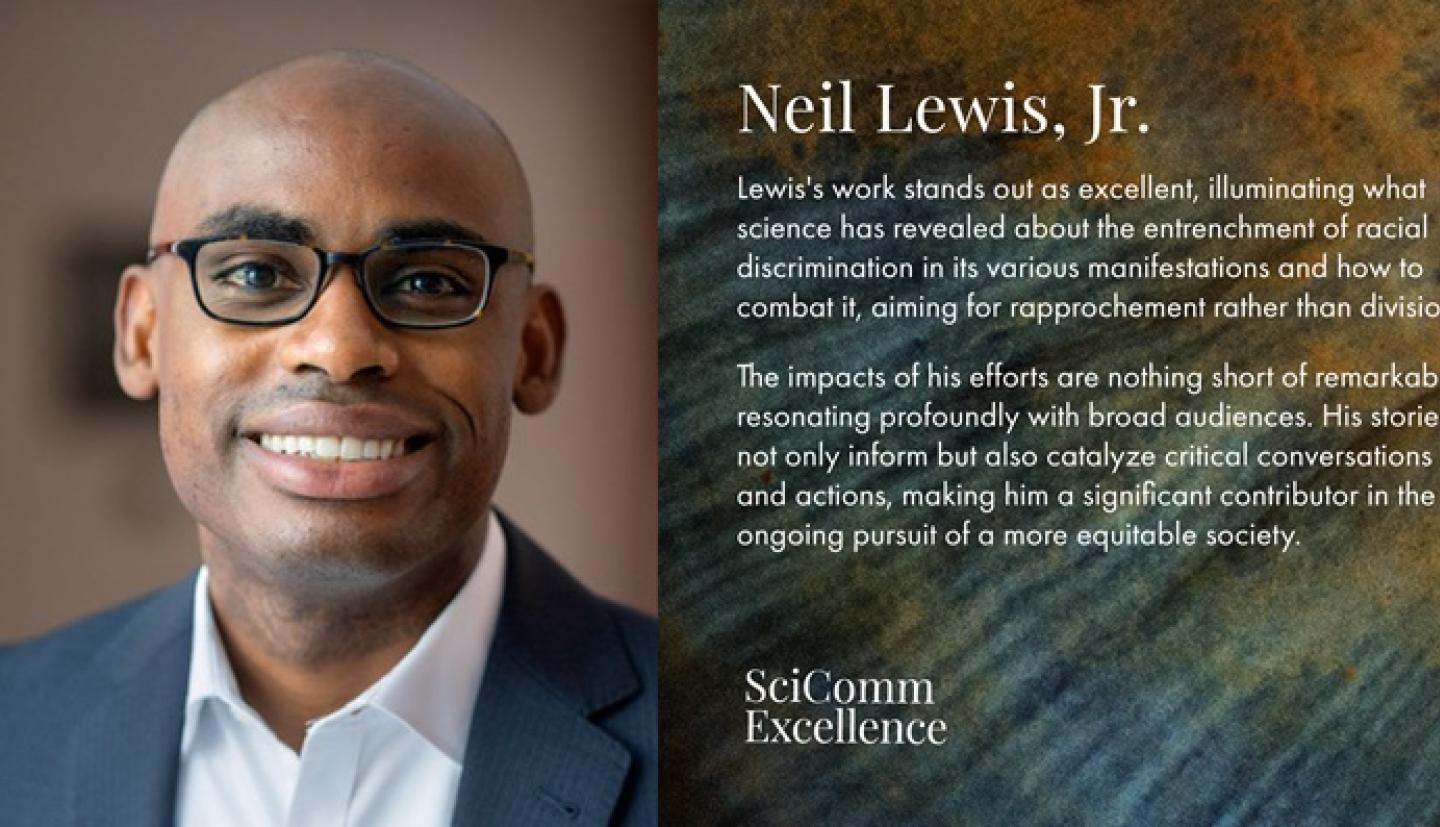
Associate Professor Neil Lewis, Jr., received the Eric and Wendy Schmidt Award for Excellence in Science Communication from the National Academies of Sciences, Engineering, and Medicine. The award recognizes individuals who are working on the frontlines of science communication and journalism, and who can demonstrate the potential or ability to develop high-quality, engaging communications or reporting.
Conference Participation

Associate Professor Brooke Duffy participated in a panel at the Association of Internet Researchers annual conference. Brooke presented her research on the creator economy as part of a panel on "Visibility Economies: Platform Labor across Cultures, Communities, and Contexts." Drawing on distinctive case studies across cultures and platforms, the panel considered how visibility is defined, by whom, and to what ends for various social actors in the platform economy. 

Events

Join us for COMMColloquium Friday, November 10, at 1:00 pm in 102 Mann Library Building. Assistant Professor Nathan Matias will present “Can We Govern AI With Science?.” The colloquium is followed by a reception, located in The Hub of the Department of Communication.

Pics!

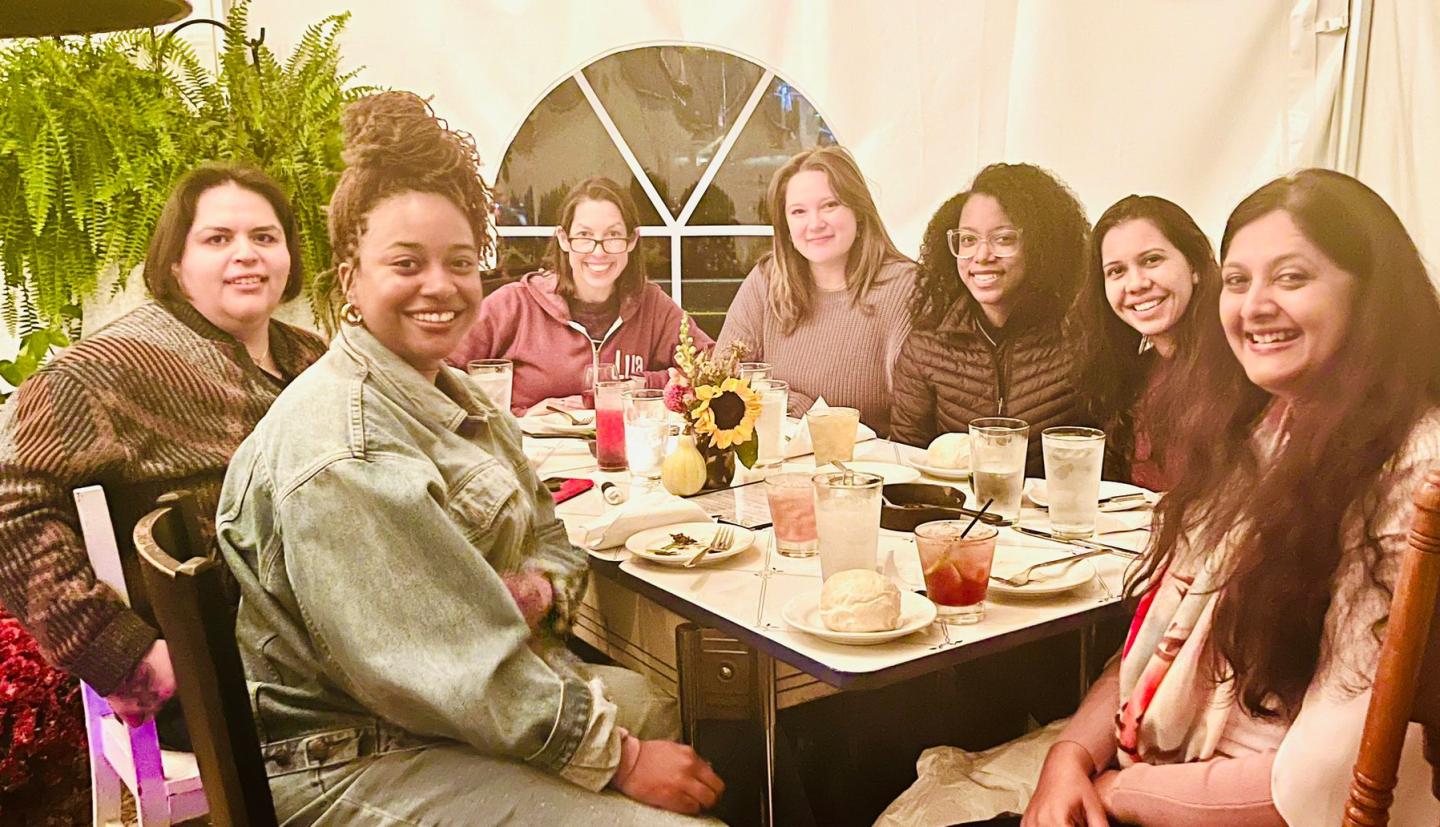
Assistant Professor Monica Cornejo and Professor Lee Humphreys (2nd and 3rd clockwise from the left) attended a writing retreat in Naples, NY, with Syracuse University Professor Srivi Ramasubramanian (far right) and her graduate students.

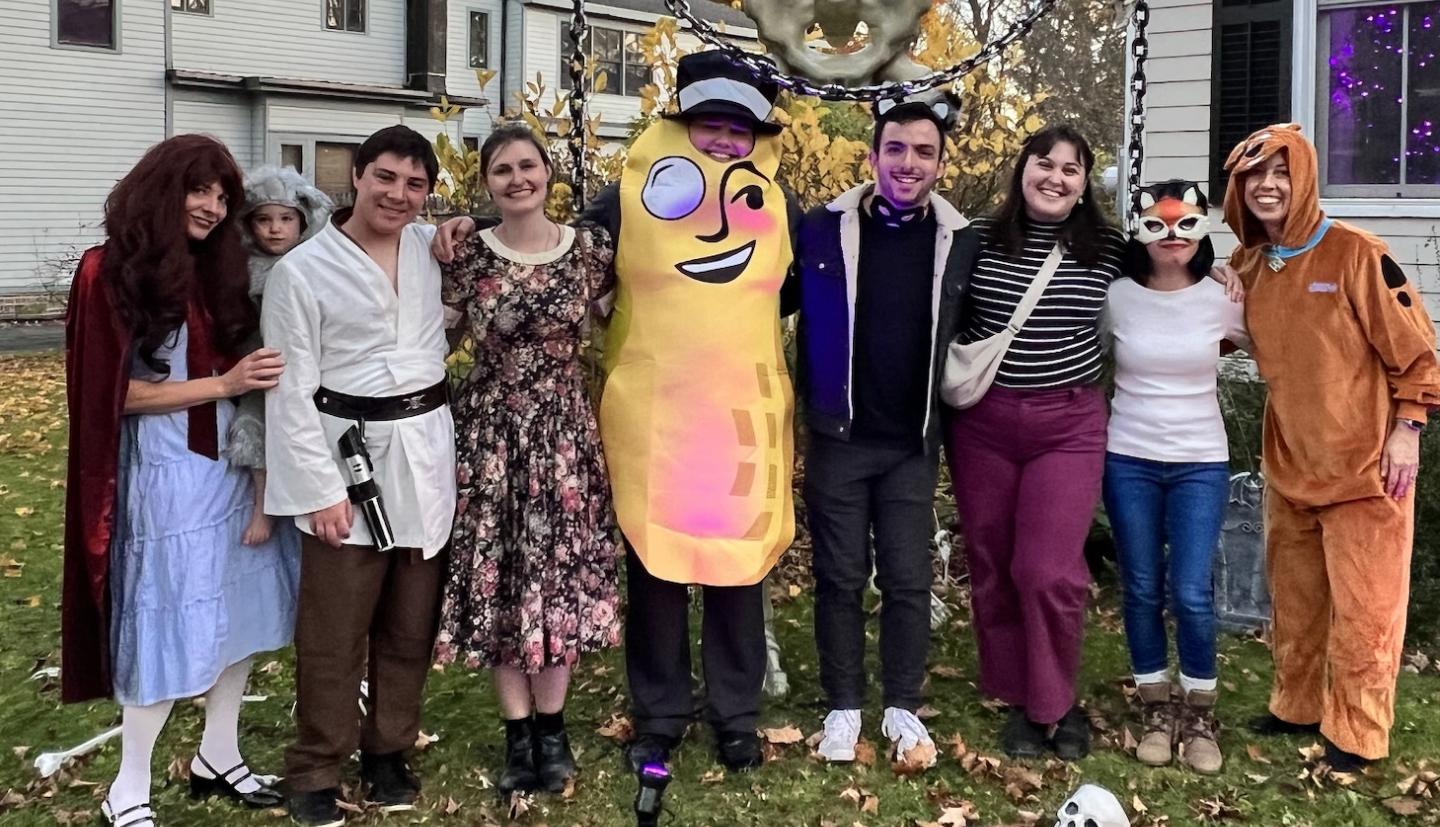
Comm does Halloween!

Keep Exploring

Several red 'Crimson Beauty" raspberries hang from green leaves and stems.

Report

Relevance Raspberry and strawberry production in the United States is concentrated in California and Florida, where climate variability and rising costs challenge long-term sustainability. Demand for locally grown fruit is increasing, creating...
  • Cornell Cooperative Extension
Charles Midega (left) and Roy Odawa display the Kontiki kiln they modified to make biochar from human feces. Credit: Rebecca Nelson

News

Cornell researchers and Kenyan partners have developed a fertilizer made from human excreta. The product improves soil health and food production, while preventing pollution in informal settlements and the aquatic environment.

  • Ashley School of Global Development and the Environment
  • Global Development Section
  • Agriculture