

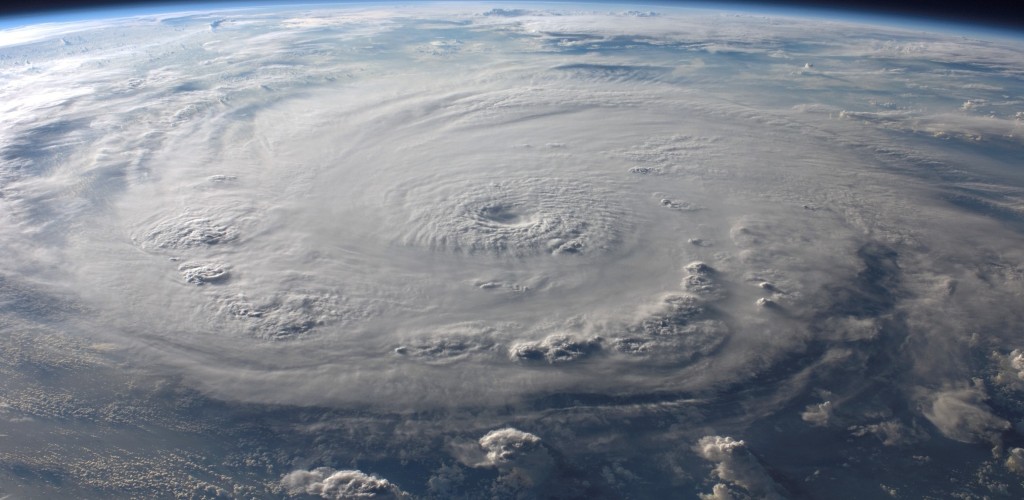
Roughly 80–1,000 kilometers above the Earth’s surface, extreme ultraviolet radiation from the sun separates electrons from atoms and molecules in the upper atmosphere, creating a highly ionized plasma environment that hosts unique space weather phenomena. For example, at night when solar radiation decreases, low-density pockets of ions near the equator can form so-called equatorial plasma bubbles that are known to disturb radio and satellite communications.
Keep Exploring

News
Wild fig tree rings offer a cheap method for tracking toxic atmospheric mercury, a byproduct of gold mining in the Global South.


We openly share valuable knowledge.
Sign up for more insights, discoveries and solutions.
Please enter a valid email address to subscribe to the newsletter.