

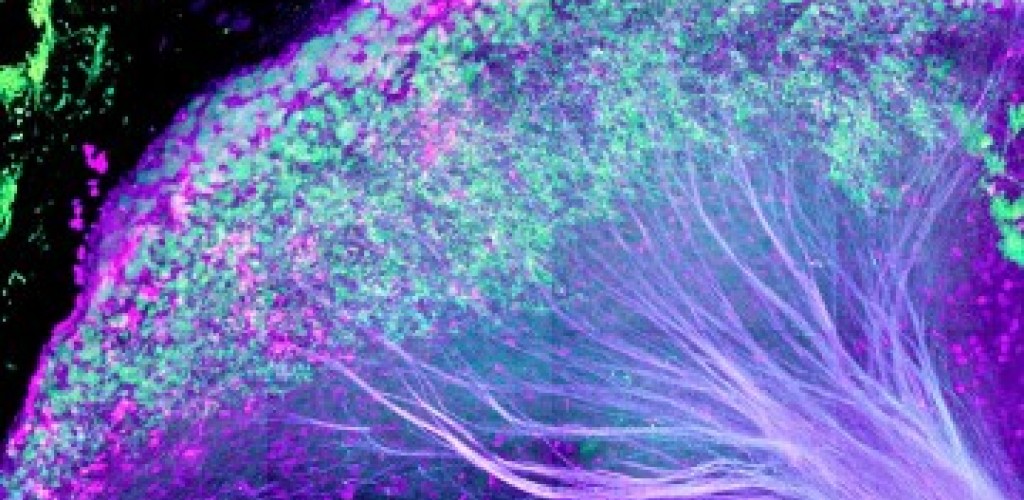
A tiny but important area in the middle of the brain acts as a switch that determines when an animal is willing to work for a reward and when it stops working, according to a new study.
Keep Exploring
News
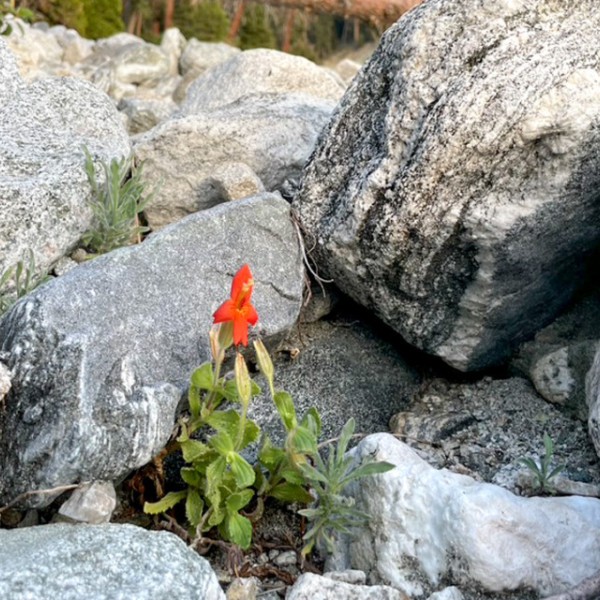
In response to extreme drought, scarlet monkeyflower populations rapidly evolved and recovered, providing a window into climate change adaptation.
News
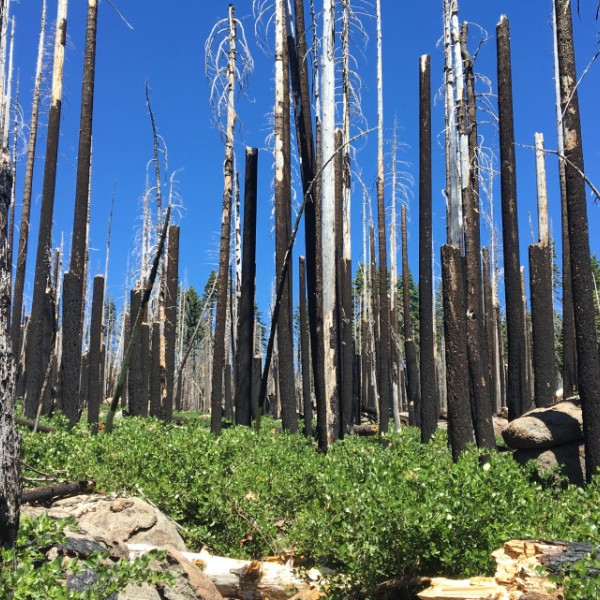
New research from the USDA Forest Service, Cornell Lab of Ornithology, and University of New Mexico identifies where future high-severity fires threaten biodiversity hotspots in the western United States using observations from bird watchers and...

We openly share valuable knowledge.
Sign up for more insights, discoveries and solutions.
Please enter a valid email address to subscribe to the newsletter.